
Florida is famous for its “endless summer,” but the first week of February 2026 has delivered a brutal reality check. A historic Arctic air mass surged deep into the peninsula, shattering records from Melbourne to Vero Beach. In Melbourne, the mercury hit an all-time February record of 25°F, while Vero Beach saw its third consecutive day of record lows, dipping to 31°F.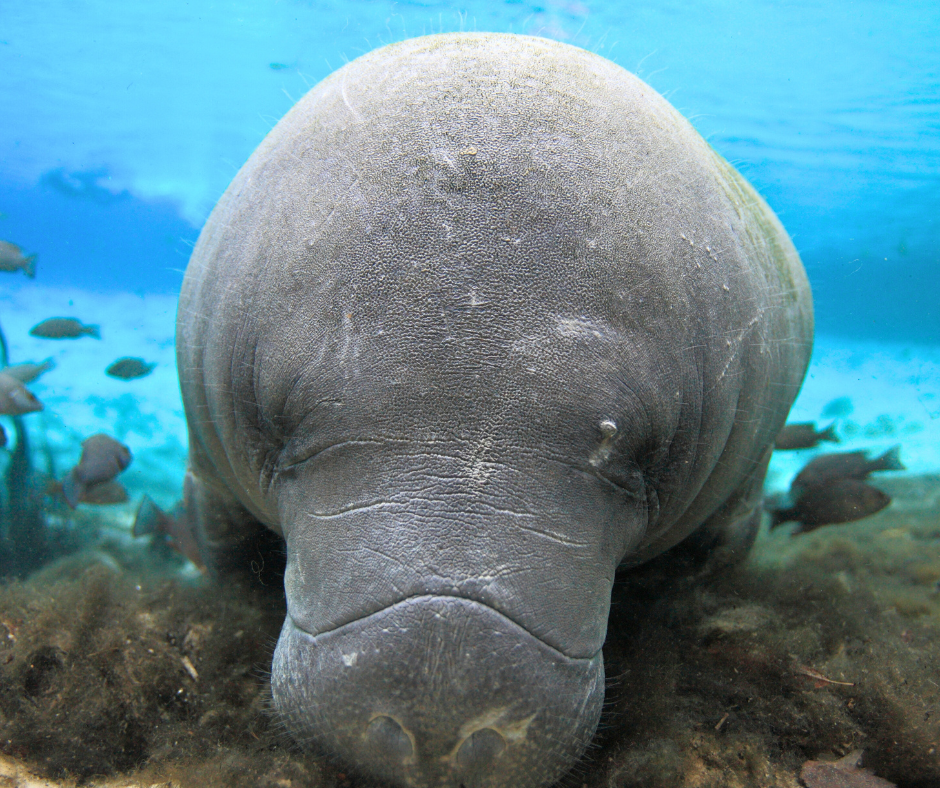
For residents, it meant scraping frost off windshields and covering hibiscus plants. But beneath the surface of the Indian River Lagoon (IRL), the stakes are much higher. This “February Freeze” is the most significant cold event the region has seen since 2010, and its timing couldn’t be worse for a delicate ecosystem that was just beginning to show signs of recovery.
1. Manatees in the Crosshairs: The Cold Stress Threat
Manatees may look like they have plenty of insulation, but they actually lack a thick blubber layer. When water temperatures drop below 68°F, they become susceptible to Cold Stress Syndrome—a condition similar to hypothermia that can lead to skin lesions, weight loss, and death.
The Response: FWC rescue teams have already been deployed to hotspots like the FPL Cape Canaveral Clean Energy Center, where hundreds of manatees huddle for warmth in the power plant’s discharge.
The Danger: If manatees are forced to choose between staying in warm water refuges with no food or leaving to find food in 50-degree water, many will choose to stay and starve.
The 2026 Outlook: Unlike the “Unusual Mortality Event” of 2020-2022, manatees entered this winter in better physical condition, but 16-year record lows test even the healthiest animals.
2. Seagrass Restoration: Did the Frost Kill the Future?
Seagrass is the lifeblood of the Lagoon, and 2025 was a banner year for restoration. However, extreme cold can “burn” the tips of shallow-water seagrasses, specifically Halodule wrightii (shoal grass).
Restoration Projects: Groups like the Brevard Zoo and IRLNEP have been planting thousands of square feet of nursery-grown seagrass. While the roots are often protected by the sediment, the sudden temperature shock can slow growth or kill new shoots that haven’t yet established a strong rhizome system.
Turbidity Issues: Cold fronts bring high winds. These winds stir up “muck” from the bottom, creating cloudy water that blocks sunlight—the one thing seagrass needs to recover from cold damage.
3. The Tipping Point for Sea Turtles
It isn’t just manatees. The Indian River Lagoon is a major nursery for juvenile Green and Loggerhead sea turtles.
Cold-Stunning: When the water gets too cold, turtles become “stunned” and float to the surface, unable to swim. This makes them vulnerable to boat strikes and predators.
Rescue Efforts: Local facilities like SeaWorld Orlando and the Brevard Zoo have already taken in dozens of “stunned” turtles found floating near Titusville and the Sebastian Inlet this week.
The 2026 “Freeze” Breakdown by the Numbers
| Location | 2026 Record Low | Previous Record (Year) |
| Melbourne | 25°F | 27°F (1967) |
| Vero Beach | 31°F | 32°F (1976) |
| Fort Pierce | 33°F | 34°F (2009) |
Conclusion: A Test of Resilience
The February 2026 freeze is a stark reminder that the Indian River Lagoon remains a fragile system. While the “Great Thaw” is expected to begin by February 12th, the biological impact often has a two-week delay. We won’t know the full extent of the manatee mortality or seagrass die-back until the waters return to their seasonal averages.
For now, the message from wildlife officials is clear: Give them space. If you see a manatee or turtle huddling in a canal or warm-water discharge, stay back. Disturbing them could force them out into the life-threatening cold.