
For families in Fort Pierce and Port St. Lucie, the term “glioblastoma” is more than a medical diagnosis—it is a community-wide concern. For years, residents have raised the alarm over what appeared to be an unusual concentration of this aggressive brain cancer.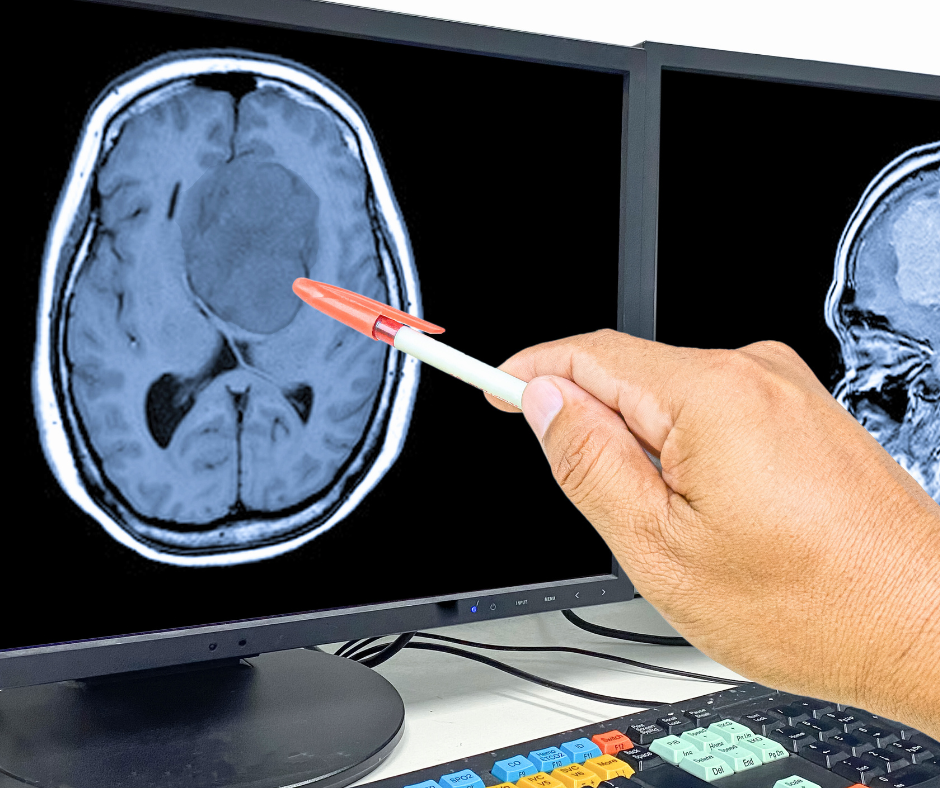
As we move through February 2026, new data from the Florida Department of Health and independent environmental groups have been released. Addressing the community’s biggest fear with facts is essential to moving forward.
1. The Scope of the Investigation
The probe has centered on specific zip codes—primarily 34982, 34983, and 34952—where clusters of cases were first identified by local families.
The “Expected” vs. “Actual” Gap: Historical data has shown that in certain years, the number of cases in zip code 34952 was nearly double the statistical expectation.
Demographics: The reports show that while glioblastoma typically affects older males (ages 45–70), the St. Lucie cases include a concerning number of younger residents, which often triggers more intensive “cluster” scrutiny by the CDC.
2. Environmental Testing: The Radiation Question
A primary focus for many residents has been the proximity to the St. Lucie Nuclear Power Plant.
The 2026 Findings: Ongoing testing of air, soil, vegetation, and fish near the plant continues to show no increased levels of radiation above baseline environmental norms.
Drinking Water: Municipal water supplies have been cleared of major contaminants in recent sweeps. However, the February 2026 update highlights a persistent gap: private wells are not regularly tested by the state, leaving some rural residents to seek independent verification.
3. The Search for “Modifiable” Causes
While radiation is the only known environmental contributor to glioblastoma, researchers are looking at other factors:
Pesticide Exposure: Given the region’s agricultural history, investigators are examining legacy chemical runoff in soil samples.
Genetics and Lifestyle: The American Cancer Society’s 2026 data emphasizes that while 40% of all cancers are preventable (linked to tobacco or diet), glioblastoma remains an outlier with an etiology that is notoriously difficult to pin down.
4. Progress in Treatment & Awareness
While the search for a “cause” continues, the Treasure Coast has become a hub for awareness:
Glioblastoma Awareness Day: Legislation supported by local representatives continues to push for federal research funding specifically for the Florida “hotspots.”
Advanced Trials: Institutions like the Memorial Cancer Institute and UF Scripps have launched 2026 trials for molecular “motor” inhibitors, offering new hope for treatment right here in Florida.
Key Takeaways from the 2026 Reports
| Category | Status / Finding |
| Statistical Significance | “High” but not yet labeled a “confirmed cluster” by the State. |
| Radiation Levels | Within normal limits (Air, Soil, Water). |
| Water Quality | City water cleared; private wells remain a “test-at-home” priority. |
| Primary Risk Factor | Ionizing radiation (no local spike detected). |
Conclusion: Searching for Peace of Mind
The February 2026 reports provide a complex picture. While state health officials maintain that the number of cases does not yet meet the rigorous “statistical significance” required to declare an official cluster, the numbers remain undeniably high for the families impacted. The investigation remains open, with a renewed focus on molecular testing and legacy soil contaminants. For the St. Lucie community, the search for answers is a search for safety and peace of mind.