
The Indian River Lagoon is the biological heart of the Treasure Coast, but constant threats like harmful algal blooms and nutrient pollution put its health at risk. While government agencies and research institutes like FAU Harbor Branch and ORCA conduct high-level studies, it’s the dedicated local volunteers—the citizen scientists—who provide the continuous, hyper-local data necessary to pinpoint problem areas in neighborhood canals and tributaries.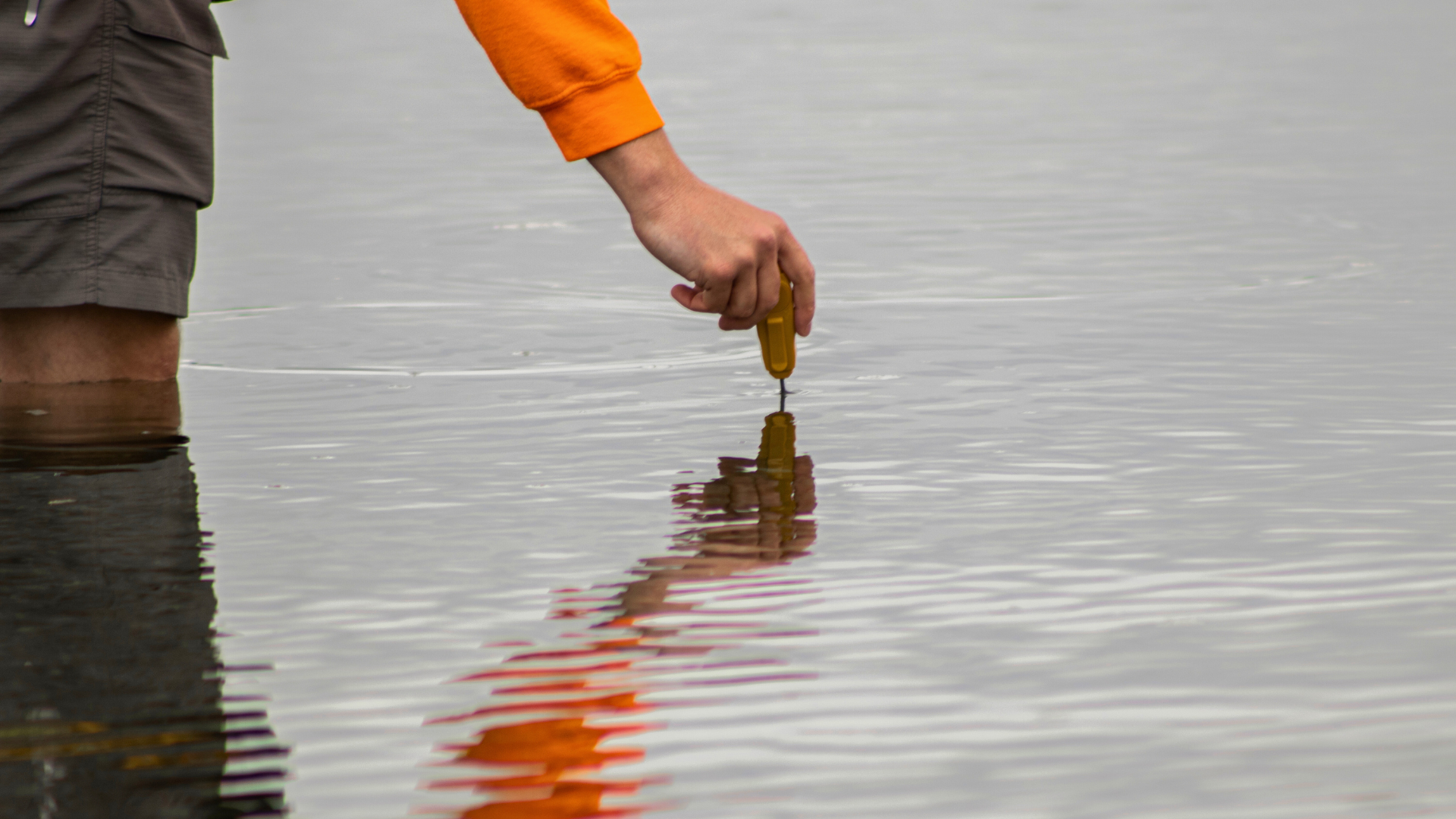
These everyday heroes, armed with water testing kits and a deep commitment to their community, are providing critical, high-resolution data on everything from dissolved oxygen levels to chlorophyll-a concentrations. They are the eyes and ears on the water, helping turn the tide against water quality decline one sample at a time.
Why Citizen Science is Vital to Treasure Coast Water Quality
Citizen science is more than just a volunteer effort; it’s a powerful, cost-effective tool that drastically increases the spatial and temporal coverage of water quality monitoring. For the vast network of canals, ditches, and small creeks that feed the St. Lucie and Indian Rivers, professional scientists simply cannot be everywhere at once.
| Key Benefits of Local Volunteer Monitoring | SEO Keywords |
| Early Warning System | Harmful Algal Bloom Detection, Water Quality Alerts |
| Pinpoint Pollution Sources | Nutrient Pollution, Canal Runoff, Sewage Leak Mapping |
| Increased Data Frequency | Indian River Lagoon Monitoring, Volunteer Data Collection |
| Community Advocacy | Environmental Stewardship, Local Water Protection, Clean Water Action |
| Local Knowledge | Treasure Coast Canals, Tributary Health, Stormwater Monitoring |
Profiles of Dedication: Citizen Scientists on the Front Lines
The backbone of the Treasure Coast’s clean water effort is made up of individuals who turn a love for the outdoors into active science. Here are profiles of the types of local volunteers making a tangible difference:
1. The Weekly Tester: The Dissolved Oxygen Watchdog
Focus Area: Residential Canals in Port St. Lucie and Vero Beach.
The Mission: This group monitors the most critical parameter: Dissolved Oxygen (DO). Low DO is a death sentence for fish, often caused by the decay of massive algal blooms. The Weekly Testers check DO, pH, and salinity several times a week, especially after heavy rain, providing real-time alerts to researchers and neighbors when conditions become dangerous. Their consistent, localized data helps model how stormwater runoff affects the inner city waterways.
2. The Chlorophyll-a Crew: Tracking the Green Slime
Focus Area: Stormwater Retention Ponds and Lagoon Shoreline Hotspots.
The Mission: Algae is measured by detecting Chlorophyll-a, a pigment present in all phytoplankton. The Chlorophyll-a Crew is trained to use professional-grade sensors and collection vials to detect rising algae concentrations before they become a visible, foul-smelling cyanobacteria bloom. This pre-bloom data is invaluable, allowing scientists to deploy rapid testing and potentially track the source of the triggering nitrogen and phosphorus influxes.
3. The Land to Sea Liaisons: The Restoration Volunteers
Focus Area: Living Shorelines and Habitat Restoration Sites (e.g., Jensen Beach, Fort Pierce Inlet).
The Mission: These volunteers work directly with environmental organizations on habitat restoration. They aren’t just planting mangroves; they are monitoring the water quality benefits of their work. They measure sediment accretion, test for nutrient sequestration in the soil, and track the return of marine life (like filter-feeding oysters) to prove that living shorelines are effective, long-term solutions for lagoon restoration.
4. The VAMP Observers: Algae ID Experts
Focus Area: St. Lucie River and Southern Indian River Lagoon (Martin and St. Lucie Counties).
The Mission: As part of programs like the Volunteer Algal Monitoring Program (VAMP), these citizens are trained in microscopic identification of different algae species. This knowledge is crucial because not all algae are toxic. By identifying specific cyanobacteria species, they help managers determine the threat level, informing public health warnings for swimming and fishing.
Conclusion: Securing the Treasure for Tomorrow
The fight for clean water on the Treasure Coast is a community-wide battle. From the St. Lucie River to the barrier islands of Vero Beach, it’s the local, continuous effort of citizen scientists that provides the granular, actionable data that professional research often lacks. They are filling the data gaps, driving environmental stewardship, and empowering residents to become informed advocates for their waterways. Supporting these programs is one of the most effective, hyper-local actions a resident can take to ensure the Indian River Lagoon remains a genuine treasure for generations to come. Join the effort—our local waters are depending on it!