
Hutchinson Island, Florida is a sanctuary. As the dawn breaks over the Atlantic, painting the Treasure Coast sky in soft pastels, a different kind of morning ritual begins. This stretch of pristine sand, spanning Martin and St. Lucie counties, is one of the most critical sea turtle nesting habitats in North America. From March 1st to October 31st, the beaches are guarded by a dedicated army of volunteers—the Turtle Patrol.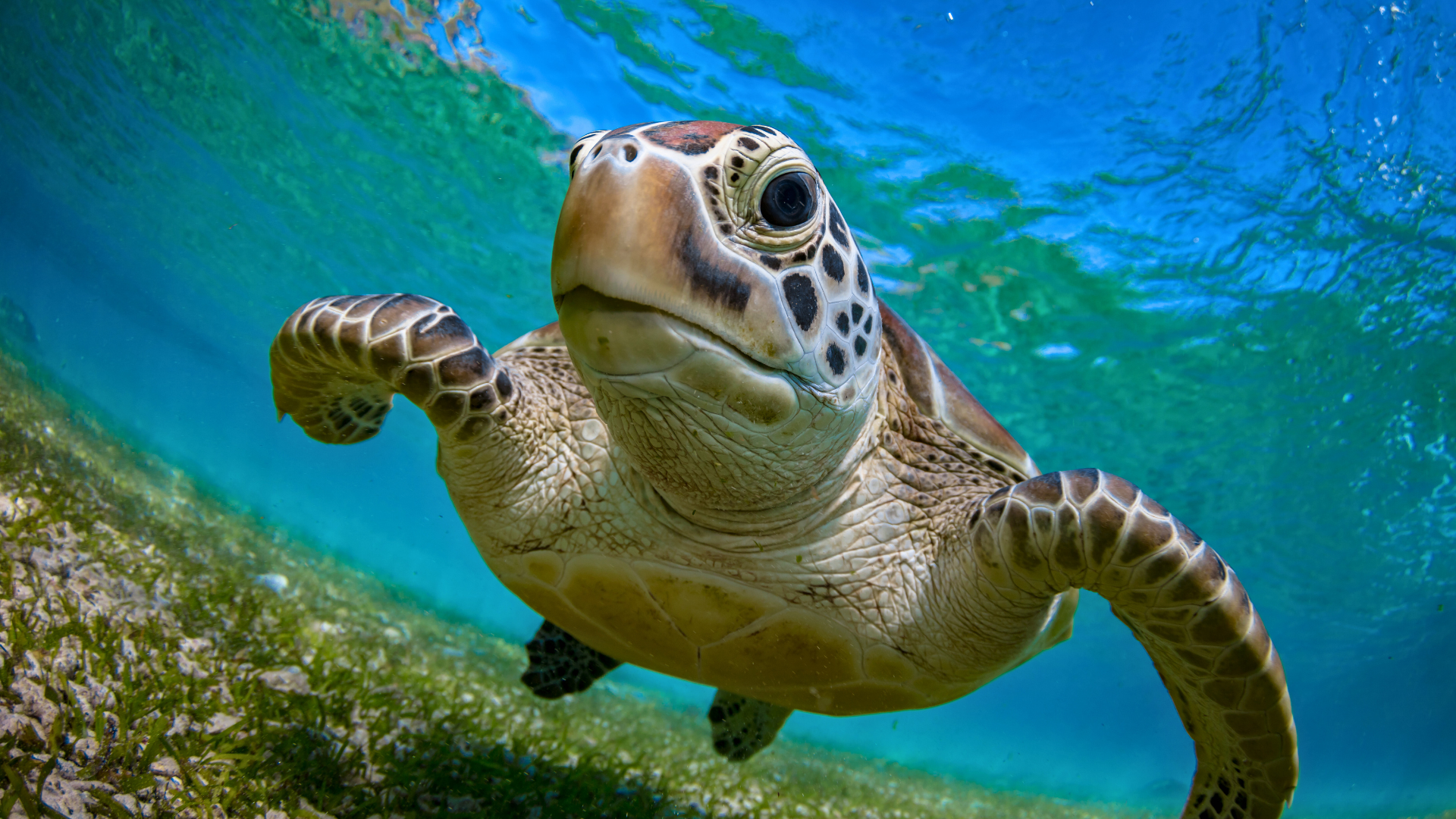
This is the story of Sarah, a long-time volunteer with a local conservation group, as she walks her assigned sector during peak nesting season (typically May through July). Her mission: to safeguard the incredible, yet fragile, legacy of the Loggerhead, Green, and Leatherback sea turtles that nest here.
The Dawn Patrol: What It Takes to Protect Florida’s Sea Turtles
For Sarah, the alarm clock is a non-negotiable 5:00 AM. Her work is a race against two main factors: the tide, which can erase crucial tracks, and the early morning beachgoers, who might accidentally disturb a new nest.
The goal of every Hutchinson Island Turtle Patrol volunteer is precise: locate, verify, and protect every new nest laid overnight. The data collected by these volunteers is essential for the Florida Fish and Wildlife Conservation Commission (FWC), providing the foundation for global conservation efforts.
5 Critical Steps of a Turtle Patrol Volunteer
The patrol is much more than a morning walk; it’s a scientific survey, a detective mission, and a conservation effort all rolled into one. Here are the five key actions Sarah performs during a typical patrol:
1. Tracking the “False Crawl” vs. The Nest
The first sign of activity is a distinctive, wide track—the turtle crawl—leading from the water. Sarah must follow the massive trail to its end. A “false crawl” is when the female, perhaps disturbed by light, noise, or an unsuitable spot, turns around and returns to the ocean without laying eggs. If the tracks end in a mound of disturbed, fluffy sand—the body pit—she knows she has a successful sea turtle nest discovery.
2. Species Identification
Each of the three common nesting species on Hutchinson Island leaves a unique track:
Loggerhead: The most common nester, leaving an alternating flipper track pattern.
Green Turtle: A rarer sight, leaving a symmetrical, “front-wheel drive” track pattern.
Leatherback: The largest species, leaving a colossal, deep, and distinct track.Identifying the species helps track population trends and nesting success.
3. Verification and Marking
Using a long, thin probe, Sarah gently and expertly searches for the egg chamber. Once the delicate, ping-pong-ball-sized eggs are confirmed, the location is measured, recorded via GPS, and carefully marked with stakes and protective tape. This visible marking alerts beachgoers to the protected area. Occasionally, if a nest is laid too close to the high-tide line, a team leader may authorize a time-sensitive nest relocation to a safer spot.
4. The “Clean, Dark, Flat” Assessment
As the day brightens, Sarah also acts as an educator. She documents and removes any hazards:
CLEAN: Removing litter, plastic, and discarded fishing line that could entangle a turtle or hatchling.
DARK: Noting any lights from beachfront properties that might disorient hatchlings, who instinctively crawl toward the brightest horizon (which should be the ocean).
FLAT: Filling in deep holes and flattening sandcastles, which can become insurmountable obstacles for a nesting mother or emerging hatchlings.
5. Nest Inventory (The Final Count)
Later in the season, approximately 45 to 70 days after a nest is laid, Sarah will return three days after signs of a major emergence. This post-hatch effort, called an inventory, involves a permitted dig to count the number of hatched eggs, unhatched eggs, and to occasionally rescue any hatchlings that were trapped in the nest chamber. This critical data determines the nesting success rate.
Conclusion: Why the Turtle Patrol is the Treasure Coast’s True Treasure
The dedication of the Hutchinson Island Turtle Patrol volunteers like Sarah is literally the difference between life and death for thousands of endangered and threatened hatchlings each year. Their early morning efforts ensure that the Treasure Coast remains a vital link in the ancient, global cycle of sea turtle conservation.
Their work is a poignant reminder that protecting these magnificent creatures is a shared responsibility. The success of the season is ultimately measured not just in the number of marked nests, but in the tiny, powerful journeys of the hatchlings who successfully make it from the sand to the sea. The next time you visit a South Florida beach, remember the early shift of the Turtle Patrol and commit to keeping the shores Clean, Dark, and Flat.