
Quarterly Health Report: St. Lucie County’s Indian River Lagoon (IRL)
The Indian River Lagoon (IRL), North America’s most biologically diverse estuary, faces an ongoing crisis. In St. Lucie County, a crucial portion of the Central and Southern IRL basins, the quarterly health report from a coalition of local fishermen, marine scientists, and environmental advocacy groups paints a picture of fragility. While targeted wastewater infrastructure upgrades offer a beacon of hope, the pervasive threats of nutrient pollution and seagrass loss continue to challenge the ecosystem’s survival. This comprehensive review highlights the current ecological status and the critical need for continued investment in St. Lucie County’s sewage system upgrades as the ultimate path to restoration.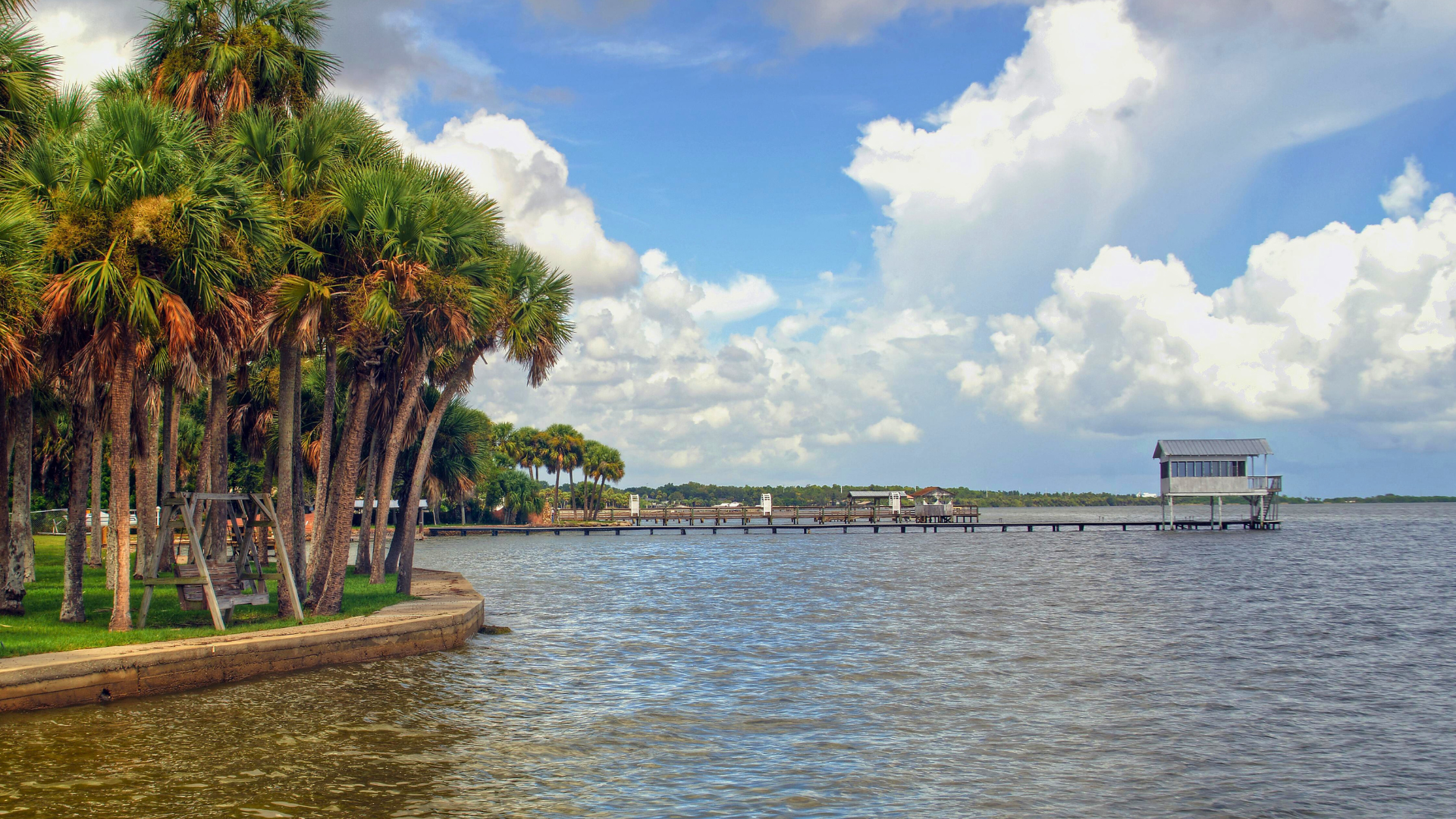
The Current Ecological Scorecard: Key Indicators of Lagoon Health
Local monitoring programs and scientific data reveal a system under stress, categorized most recently as generally “Poor” to “Okay” across the central and southern segments in St. Lucie County. Fishermen report inconsistent catches, while scientists underscore a lack of fundamental habitat structure.
| Indicator | Status in St. Lucie County (Central/South IRL) | Implication |
| Seagrass Coverage | Very Poor (Central IRL) to Poor (South IRL) with slight decline. | The primary habitat for manatees, sea turtles, and juvenile fish is failing. Water clarity is insufficient to allow recovery. |
| Water Quality (Nutrients) | Poor for Total Nitrogen (TN) and Total Phosphorus (TP). | Excessive nutrients fuel Harmful Algal Blooms (HABs), creating a persistent “brown tide” risk and depleting dissolved oxygen. |
| Wastewater Spills | Elevated frequency, with dozens of spills impacting the watershed. | Represents a direct, acute source of untreated wastewater and pathogen contamination into the vital estuary. |
| Harmful Algal Blooms (HABs) | “Okay” to “Good” in terms of frequency, but the potential for major blooms remains high due to nutrient load. | Indicates an unstable, bloom-prone system where slight changes in conditions (temp/rainfall) could trigger a devastating event. |
| Sediment Health | Limited data, but pockets show “Good” conditions. | Muck accumulation is still a major issue that smothers organisms and re-releases nutrients, but some bottom substrate is healthy enough for seagrass planting efforts. |
St. Lucie County’s Sewage Push: The Restoration Imperative
The consensus among stakeholders is that stemming the flow of nitrogen and phosphorus from aging infrastructure is the single most critical action for IRL recovery. St. Lucie County’s push for new sewage upgrades is a direct response to this need, targeting both centralized facilities and decentralized systems.
The Septic to Sewer Conversion Program is a monumental effort to retire thousands of antiquated septic systems adjacent to the lagoon and its tributaries, particularly in older, low-lying communities. Septic tanks are major contributors of nutrient pollution to the shallow groundwater, which eventually seeps into the Indian River Lagoon.
List of Key Infrastructure & Water Quality Projects:
Septic-to-Sewer Conversions: Aggressive program to eliminate Onsite Sewage Treatment and Disposal Systems (OSTDS) within the Indian River Lagoon Protection Program area, with a state mandate for connection or system upgrade by 2030.
Enhanced Nutrient-Reducing (ENR) Systems: Mandating the installation of advanced ENR-OSTDS for all new septic systems in the impacted area to achieve a $ge 65%$ reduction in nitrogen pollution.
Stormwater Treatment Areas (STAs): Construction of regional facilities (like the C-23/C-24 projects) and smaller local projects to capture, retain, and naturally treat polluted stormwater runoff before it reaches the estuary.
Baffle Box Retrofits: Installing filter systems in high-priority stormwater outfalls (e.g., River Park) to trap debris and sediment, directly reducing the load of pollutants entering the St. Lucie River and Lagoon.
Wastewater Treatment Plant Upgrades: Investing in modernizing municipal wastewater plants to meet stringent effluent standards that minimize nitrogen and phosphorus discharge.
Conclusion: A Decade of Commitment for Recovery
The State of the Lagoon in St. Lucie County is a testament to the decades of environmental neglect, but also a showcase of renewed, targeted commitment. Scientists confirm that seagrass recovery is directly contingent on water clarity, which can only be achieved by drastically reducing nutrient pollution. Local fishermen are cautiously optimistic, understanding that healthy estuaries translate to healthy fisheries, but caution that true recovery will take a decade or more of sustained effort.
The success of St. Lucie County’s sewage upgrades is not just an infrastructure story; it is the fundamental prerequisite for the Lagoon’s long-term health. The quarterly reports will continue to gauge whether these aggressive, multi-million dollar investments are delivering the necessary drop in nitrogen and phosphorus, ultimately restoring the vibrant, turquoise clarity the Indian River Lagoon deserves.