
For Treasure Coast homeowners, the backyard is more than just a lawn—it’s a living canvas, and a crucial habitat for local wildlife. With declining pollinator populations, creating a space for birds and butterflies is one of the most rewarding and impactful projects you can undertake. You don’t need a sprawling garden to make a difference; even a small balcony or patio can become a vibrant pollinator paradise with the right DIY planters.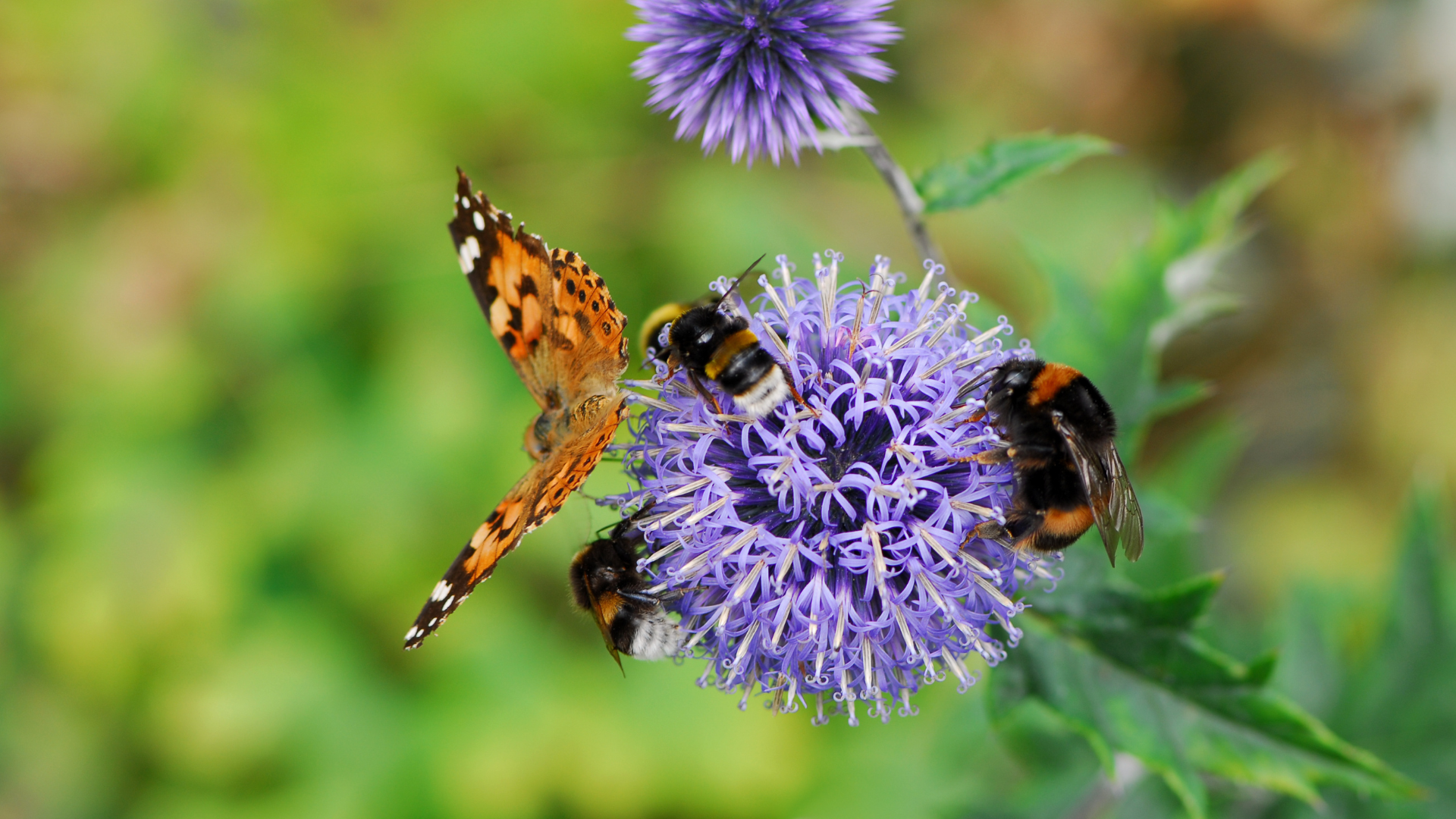
This guide is your roadmap to building a beautiful, low-maintenance bird and butterfly haven right outside your door. By focusing on native Florida plants that thrive in our local climate, you’ll be able to attract and sustain these beautiful creatures, all while enjoying a front-row seat to the magic of nature.
Your DIY Planter Project: 3 Steps to a Pollinator Paradise
Ready to get started? This simple project is perfect for beginners and can be completed with minimal tools and effort.
1. Choose Your DIY Planters & Location
The Concept: Butterflies and birds are attracted to masses of color and need a sunny spot to bask. Your planters should provide both.
The DIY Fix: You can create beautiful planters from repurposed materials or store-bought options.
Whiskey Barrels or Large Tubs: These make excellent, large-scale planters that can hold multiple plants, giving pollinators a vibrant “landing pad.” Make sure they have ample drainage holes.
Tiered Planters: Stacked pots or an old ladder can create a vertical garden, perfect for small patios or balconies. This allows you to grow plants of different heights, which attracts a wider variety of pollinators.
Repurposed Items: Think creatively! Old birdbaths can be filled with a rock and sand mixture to create a “puddling station” for butterflies to get minerals. An old wheelbarrow or even large clay pipes can be turned into unique planters.
Location, Location, Location: Place your planters in a spot that receives at least 6 hours of full sun per day. This is crucial for flowering plants and for butterflies, who are cold-blooded and need the sun to warm up for flight.
2. Select Your Treasure Coast Native Plants
The Concept: The key to a low-maintenance, thriving pollinator garden is using plants that are native to your region. These plants have co-evolved with local wildlife and are naturally adapted to the sandy soil, humidity, and heat of the Treasure Coast.
The DIY Fix: Choose a mix of nectar plants (food for adult butterflies and hummingbirds) and host plants (food for caterpillars).
Nectar Plants:
Firebush (Hamelia patens): A hummingbird and butterfly magnet with vibrant red-orange flowers. It’s a hardy shrub that blooms for months.
Scarlet Sage (Salvia coccinea): Easy to grow in planters, its bright red tubular flowers are irresistible to hummingbirds and butterflies.
Blanketflower (Gaillardia pulchella): This cheerful, daisy-like flower is a Treasure Coast native that thrives in sandy soil and attracts many butterfly species.
Host Plants:
Milkweed (Asclepias spp.): Crucial for Monarch butterflies, as it is the only plant their caterpillars will eat. Use native varieties like Swamp Milkweed or Butterfly Weed.
Passion Vine (Passiflora incarnata): The stunning flowers attract a variety of butterflies, and its leaves are the host plant for the Gulf Fritillary butterfly.
Expert Tip: Group plants together in “drifts” or clusters to make them more visible to passing pollinators. Always buy plants from a local nursery that specializes in natives and ensures their plants are pesticide-free, as these chemicals are lethal to pollinators.
3. Add Finishing Touches & Maintenance Hacks
The Concept: A truly successful pollinator haven provides more than just food. It offers shelter, water, and basking spots.
The DIY Fix:
Puddling Station: Create a simple water source by placing a shallow dish or saucer in your planter. Fill it with sand and add a few small rocks. Keep the sand moist, and butterflies will use it to drink water and absorb essential minerals.
Landing Pads: Place a few flat, light-colored stones in and around your planters. Butterflies will use these stones to sunbathe and warm their wings.
Shelter: A dense, bushy shrub like Firebush can provide a safe spot for birds and insects to rest and hide from predators.
Low-Maintenance Magic: One of the best parts of using native plants is their hardiness. They generally require less water and fertilizer once established. Avoid using chemical pesticides or herbicides, as these are the biggest threat to your pollinator garden.
Conclusion: Your Sustainable Sanctuary Awaits
Creating a bird and butterfly haven with DIY planters is a simple, effective, and deeply rewarding project for any Treasure Coast homeowner. By choosing local native Florida plants and implementing these easy steps, you can transform your backyard, balcony, or patio into a vibrant ecosystem. Not only will you enjoy the beauty of a thriving garden, but you’ll also be actively contributing to the health of our local environment. So grab some pots, get planting, and welcome the fluttering, buzzing life into your very own pollinator sanctuary.