
Summer on the Treasure Coast is a season of sun, warmth, and vibrant outdoor living. But it also means relentless heat and the constant chore of lawn maintenance. The endless cycle of mowing, watering, and fertilizing a traditional turfgrass lawn is not only time-consuming but also costly and resource-intensive, especially with Florida’s sandy soils and a strong focus on water conservation.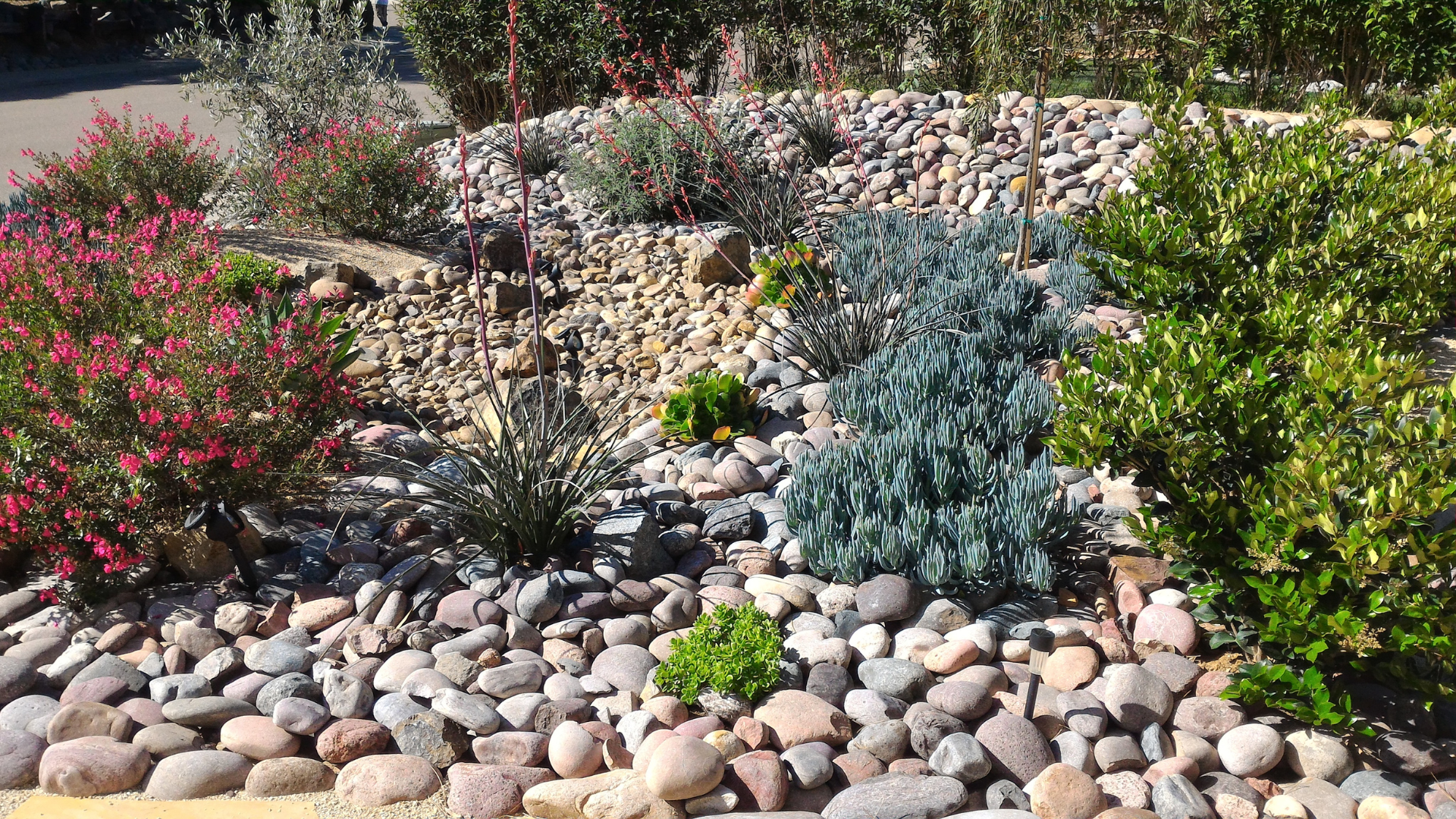
Enter the no-mow zone. By embracing a DIY xeriscaping and native plant approach, you can transform a water-guzzling, high-maintenance yard into a beautiful, resilient, and eco-friendly landscape. This isn’t about creating a barren “zero-scape,” but about designing a lush, living garden that thrives on minimal intervention. This article will show Treasure Coast homeowners how to swap their lawnmowers for a more sustainable, low-maintenance lifestyle with simple, impactful native plant design principles.
Your DIY Guide to a No-Mow Treasure Coast Yard
Creating a low-maintenance yard is a rewarding project that pays dividends in saved time, money, and water. Here’s how to get started with DIY xeriscaping and native plants.
1. Plan Your “No-Mow” Zones
The Concept: The goal is to reduce or eliminate turfgrass in areas that are not actively used for recreation. These areas are prime candidates for native plant beds and decorative groundcovers.
The DIY Fix: Start by sketching out your yard. Identify “activity zones” where you need grass (e.g., a play area for kids or a path to the pool). All other areas are your potential no-mow zones. Consider creating a design that mimics nature, with winding pathways and islands of lush, native flora. Use a hose or string to outline the new shapes of your plant beds before you begin.
Impact: This simple planning step maximizes functionality while minimizing the need for mowing, saving you a significant amount of time and effort.
2. Select the Right Native Plants
The Concept: The key to a successful low-maintenance yard is choosing plants that are naturally adapted to Florida’s climate and sandy soil. These drought-tolerant native plants require less water, fertilizer, and pest control.
The DIY Fix: Instead of importing plants that struggle in the Florida heat, choose from a rich variety of proven local performers.
Trees: Plant majestic Live Oaks or a Gumbo Limbo for shade and a habitat for local wildlife.
Shrubs: Firebush (Hamelia patens) and Wild Coffee (Psychotria nervosa) are excellent choices for attracting butterflies and birds while providing year-round interest.
Groundcovers: Replace thirsty grass with low-lying alternatives like Coontie Palm (Zamia integrifolia), Sunshine Mimosa (Mimosa strigillosa), or the vibrant Beach Sunflower (Helianthus debilis).
Flowers: Add bursts of color with tough, beautiful natives like Pink Muhly Grass (Muhlenbergia capillaris), Scarlet Sage (Salvia coccinea), or Beach Daisy.
Impact: A garden of native plants will thrive on natural rainfall, reduce your environmental footprint, and provide a vital food source for local pollinators and wildlife.
3. Master Mulching and Efficient Irrigation
The Concept: Xeriscaping isn’t about having a dry, lifeless yard; it’s about using resources efficiently. Mulch is a homeowner’s best friend for this.
The DIY Fix:
Use Mulch Generously: Apply a 2-3 inch layer of mulch (like pine bark, wood chips, or pine needles) to all your new plant beds. Mulch prevents water evaporation from the soil, suppresses weeds, and maintains a moderate soil temperature.
Install a Rain Shut-off Device: If you have an irrigation system, installing a simple rain shut-off sensor is a quick and effective water conservation hack. This prevents your sprinklers from running during or after a rain event, saving you money and preventing overwatering.
Drip Irrigation: For new plant beds, consider a DIY drip irrigation system. This applies water directly to the plant’s roots, minimizing waste and maximizing efficiency.
Impact: These simple steps drastically reduce your water bill and the time you spend on weeding, making your low-maintenance yard even easier to love.
Conclusion: Your Sustainable Treasure Coast Oasis Awaits
The dream of a lush, beautiful yard without the backbreaking work is entirely achievable. By embracing a DIY xeriscaping approach and a smart native plant design, you can transform your Treasure Coast yard into a vibrant, low-maintenance, and eco-friendly paradise. Not only will you save on water bills and free up your weekends from endless mowing, but you will also create a resilient landscape that supports local wildlife and enhances the natural beauty of your home. It’s a win-win for both you and the environment. Take the first step today and turn that chore-filled lawn into your very own no-mow oasis.