
Summer on the Treasure Coast brings glorious sunshine, but it also heralds the season of torrential downpours. While a refreshing rain can be a welcome sight, relentless summer storms can quickly lead to water intrusion, turning a cozy home into a potential flood zone. Even a small leak can lead to significant damage over time, including mold growth, structural compromise, and costly repairs. Protecting your home from the relentless onslaught of Florida’s summer rains requires proactive vigilance and some smart DIY fixes.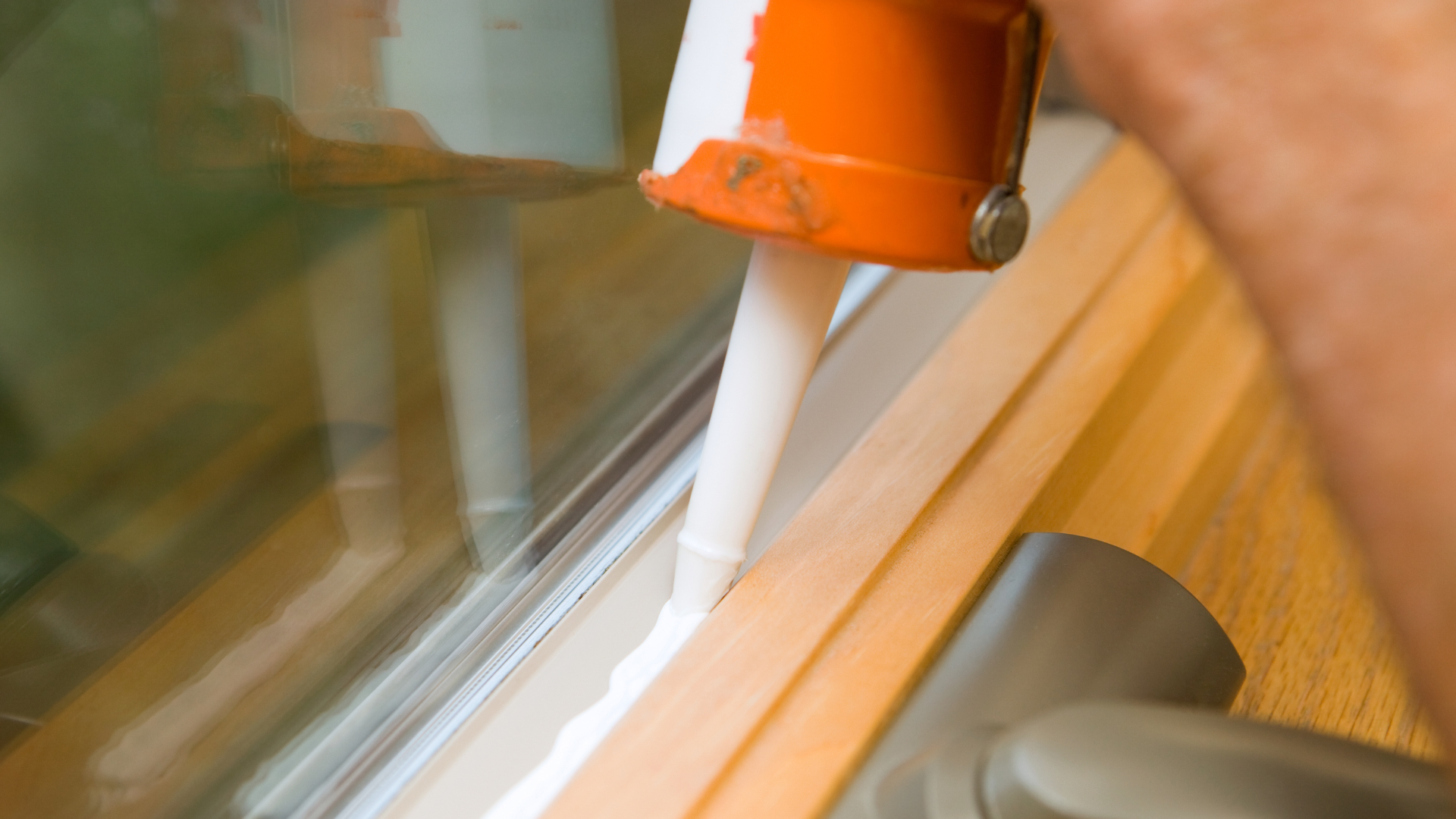
This article arms Treasure Coast homeowners with essential water intrusion hacks – simple, yet effective DIY solutions to identify and prevent common points of water entry. From leaky roofs to compromised foundations, learn how to fortify your home against the elements and ensure peace of mind all summer long.
Your DIY Defense: Simple Fixes to Halt Water Intrusion
Protecting your home from water damage doesn’t always require a professional. Many common water intrusion points can be addressed with simple tools and a bit of homeowner know-how.
Gutter & Downspout Guardian:
The Problem: Clogged or damaged gutters and downspouts are prime culprits for water intrusion. When water can’t drain properly, it overflows, saturating the ground around your foundation, eroding landscaping, and potentially seeping into your basement or crawl space. It can also run down exterior walls, causing staining or even infiltrating windows and doors.
The DIY Fix:
Clear Regularly: At least twice a year (and especially before and after hurricane season), thoroughly clear gutters of leaves, twigs, and debris. Use gloves and a scoop, then flush with a hose to ensure water flows freely.
Extend Downspouts: Ensure downspouts extend at least 5-10 feet away from your foundation. Use flexible extenders or splash blocks to direct water safely away from your home.
Repair or Replace: Inspect gutters for rust, cracks, or sagging. Use gutter sealant for small holes, or consider replacing damaged sections. Ensure all hangers are securely fastened to the fascia board.
Lifestyle Impact: Proper gutter function protects your foundation, landscaping, and exterior walls, preventing costly water damage and maintaining curb appeal.
Caulk & Sealant Savior:
The Problem: Over time, caulk around windows, doors, and utility penetrations (like pipes or vents) can dry out, crack, or pull away, creating tiny, unnoticeable pathways for rainwater intrusion. Even hairline cracks in stucco or around flashing can allow water in.
The DIY Fix:
Inspect Annually: Walk around your home’s exterior, paying close attention to seams, joints, and where different materials meet. Look for crumbling caulk, gaps, or cracks.
Clean & Re-caulk: Remove old, failing caulk using a utility knife or caulk removal tool. Clean the surface thoroughly to ensure it’s dry and free of debris. Apply a high-quality, exterior-grade, waterproof caulk (silicone or polyurethane are excellent choices for durability) in a smooth, continuous bead. For stucco cracks, use an elastomeric crack sealant.
Weather Stripping Check: Inspect weather stripping around doors and windows. Replace any worn, torn, or compressed stripping to ensure a tight seal.
Lifestyle Impact: A well-sealed home prevents drafts, keeps out pests, improves energy efficiency, and critically, stops water leaks before they start, protecting your interior from mold and moisture damage.
Landscape Grading & Drainage Dynamo:
The Problem: If your yard slopes towards your house, or if low spots collect water near the foundation, you’re inviting water intrusion directly into your basement, crawl space, or even through your slab. Standing water is a major risk.
The DIY Fix:
Positive Grading: Ensure the ground immediately surrounding your foundation slopes away from your house. A general rule of thumb is a 6-inch drop within the first 10 feet from the foundation. You can achieve this by adding compacted soil.
French Drains: For persistent pooling or excessive subsurface water, consider installing a DIY French drain. This involves digging a trench, laying perforated pipe surrounded by gravel, and covering it, to redirect water away from critical areas.
Rain Barrels/Garden Beds: Strategically place rain barrels or create rain gardens (depressed garden beds with water-loving plants) to collect and absorb rainwater runoff, preventing it from overwhelming your drainage system or pooling.
Lifestyle Impact: Proper grading and drainage protect your home’s structural integrity, prevent costly foundation repairs, keep your basement/crawl space dry, and maintain healthy landscaping.
Conclusion: Your Proactive Shield Against Summer Rains
Protecting your home from summer rains on the Treasure Coast is an ongoing effort, but it doesn’t have to be overwhelming. By implementing these simple DIY fixes – ensuring your gutters are clear, sealing all vulnerable entry points, and maintaining proper landscape drainage – you create a powerful, proactive shield against water intrusion. Don’t wait for the first torrential downpour to discover a problem. Take the time now to perform these essential water damage prevention hacks. Your diligence will not only safeguard your biggest investment but also ensure your home remains a dry, comfortable haven throughout Florida’s beautiful, albeit rainy, summer months.