
When a storm hits the Treasure Coast, and the lights go out, a portable generator can be your family’s best friend. From keeping your refrigerator cold to charging essential devices, emergency power is critical during Port St. Lucie blackouts. But the convenience comes with a vital responsibility: safety. Improper use of a generator can be deadly.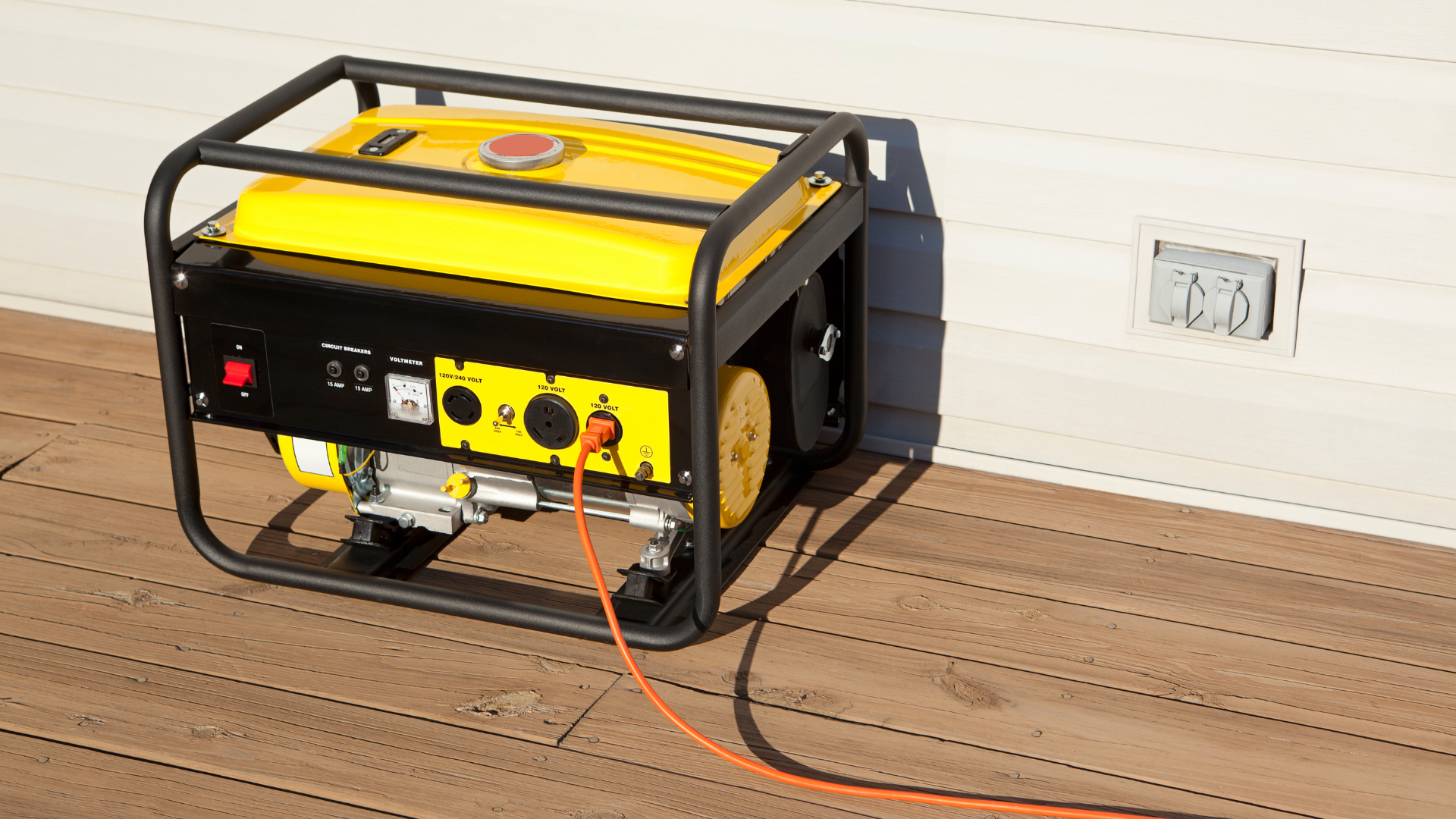
This DIY guide provides Treasure Coast homeowners with a clear, step-by-step checklist to ensure you’re setting up your portable generator safely, protecting your home and loved ones.
Your DIY Emergency Power Plan: 3 Essential Safety Steps
Getting your portable generator ready is more than just plugging it in. These three steps cover critical safety measures every homeowner must follow.
Step 1: Strategic Generator Placement (The ONLY Safe Spot is OUTSIDE!)
The most crucial rule for portable generator safety is this: NEVER run a generator indoors or in partially enclosed spaces. This includes garages (even with doors open), sheds, basements, or carports. The invisible, odorless, and deadly gas, carbon monoxide (CO), is the silent killer associated with improper generator use.
Minimum Distance: Always place your generator at least 20 feet (6 meters) away from your home or any other building. This distance is critical to ensure exhaust fumes do not enter through windows, doors, vents, or crawl spaces.
Direction of Exhaust: Ensure the generator’s exhaust pipe is pointed AWAY from your home and any neighboring structures. Even with the 20-foot rule, strong winds can carry fumes, so be mindful of wind direction if possible.
Dry & Stable Surface: Operate the generator on a flat, stable, dry surface. If rain is expected, use an open, canopy-like structure (e.g., a generator tent or a tarp secured over poles) to protect the generator from moisture. Never touch a generator with wet hands or while standing in water.
Clearance: Maintain at least 3-4 feet of clear space around all sides of the generator for proper ventilation and cooling to prevent overheating and fire hazards. Keep the area free of flammable materials like grass, leaves, or fuel containers.
CO Detectors: Install battery-operated carbon monoxide detectors (with battery backup) inside your home, especially near sleeping areas. Test them regularly. These are your crucial early warning system against CO buildup. If an alarm sounds, get fresh air immediately and call 911.
Step 2: Safe Electrical Connections (Avoid “Backfeeding”!)
Improper electrical connections can lead to electrocution, fire, and damage to your appliances – and even endanger utility workers.
Direct Plug-In (Safest DIY Method): For most Port St. Lucie homeowners using a portable generator, the safest method is to plug appliances directly into the generator’s outlets using heavy-duty, outdoor-rated extension cords.
Ensure cords are in good condition, without frays or cuts.
Verify the cord’s wire gauge can handle the electrical load of the connected appliance (check appliance wattage and generator capacity).
Avoid overloading the generator. Only power essential items.
NO Backfeeding (Absolutely Critical!): NEVER plug your generator directly into a wall outlet (known as “backfeeding”). This extremely dangerous practice can send electricity back into the utility grid, potentially electrocuting utility workers trying to restore power, or damaging your home’s wiring and appliances.
Transfer Switches (Professional Installation Recommended): If you plan to power multiple circuits or your entire home’s electrical system, a manual transfer switch or a power inlet box with an interlock kit should be installed by a licensed electrician. This ensures your home is safely disconnected from the utility grid before connecting generator power, preventing backfeeding and protecting workers. This is not a DIY task for beginners.
Grounding: Ensure your generator is properly grounded. Refer to your owner’s manual for specific grounding requirements for your model.
Step 3: Fuel Management & Generator Maintenance
Safe fuel handling and regular maintenance are vital for efficient and safe operation.
Fuel Type & Storage: Use only the type of fuel recommended by your generator’s manufacturer. Store fuel outdoors in approved, labeled containers (red for gasoline, yellow for diesel) in a cool, dry, well-ventilated area, away from living spaces, heat sources, and potential ignition points. Never store fuel inside your home or garage.
Refueling Safety: Always turn the generator OFF and allow it to cool completely before refueling. Gasoline spilled on hot engine parts can easily ignite, leading to severe burns or fire. Never smoke while refueling.
Fuel Freshness: Gasoline degrades over time (within a few months). Use fuel stabilizer to extend its shelf life, or rotate your fuel supply by using older fuel in your car and replenishing your stock.
Regular Maintenance: Inspect your generator regularly for damage, leaks, or wear and tear. Change the oil and perform other maintenance as per the manufacturer’s instructions. Run your generator for 15-20 minutes monthly with a load to ensure it’s in working order when you need it most.
Never Overload: Do not exceed your generator’s wattage capacity. Overloading can damage the generator and connected appliances. Prioritize essential appliances only.
Conclusion: Empowering Your Port St. Lucie Home with Safe Emergency Power
Being prepared for Treasure Coast blackouts doesn’t have to be overwhelming. By following this DIY guide for portable generator safety, Port St. Lucie homeowners can confidently set up their emergency power system. The emphasis on strategic placement to prevent carbon monoxide poisoning, safe electrical connections to avoid backfeeding, and diligent fuel management is paramount. Your storm preparedness isn’t just about convenience; it’s about safeguarding your family and your home’s safety during critical times. Take these steps now, and ensure your home remains a haven, even when the power goes out.