
The Treasure Coast, with its beautiful beaches and vibrant coastal communities, faces a growing threat: saltwater intrusion. This occurs when saltwater infiltrates freshwater aquifers, contaminating well water and damaging irrigation systems. Understanding the causes and implementing preventive measures is crucial for preserving this precious resource.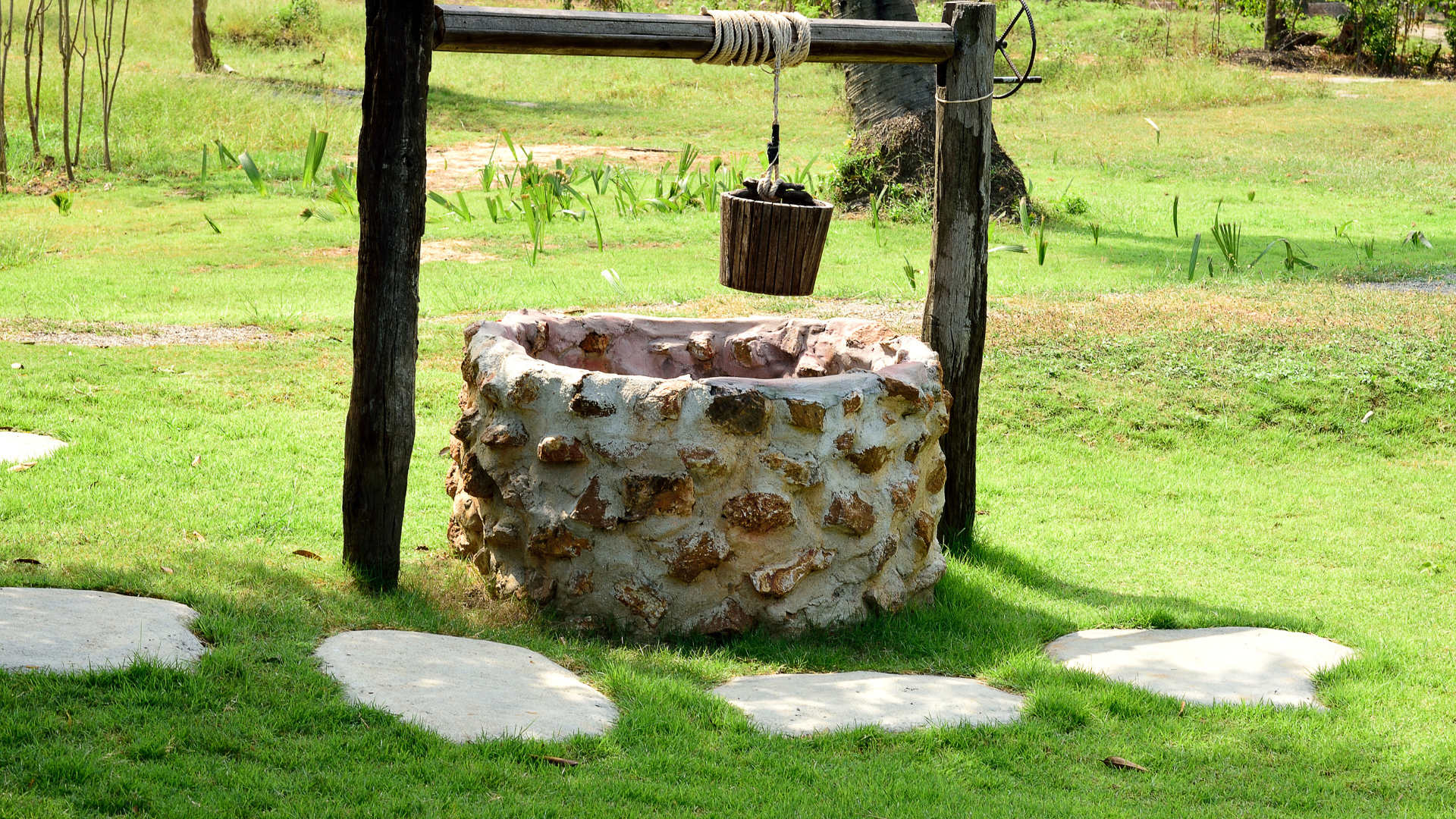
Understanding Saltwater Intrusion on the Treasure Coast
Saltwater intrusion happens when the balance between freshwater and saltwater in underground aquifers is disrupted. Several factors contribute to this:
Overpumping of Groundwater: Excessive withdrawal of freshwater from wells lowers the water table, reducing pressure and allowing saltwater to move inland.
Sea Level Rise: As sea levels rise, saltwater can push further into coastal aquifers.
Drought: Prolonged periods of low rainfall reduce freshwater flow into aquifers, exacerbating the problem.
Canals and Drainage Systems: Alterations to natural water flow patterns can create pathways for saltwater intrusion.
Impact of Saltwater Intrusion
Saltwater intrusion can have severe consequences:
Contaminated Drinking Water: Saltwater incursion can make well water unusable for drinking and household purposes.
Damage to Irrigation Systems: Salty water can corrode pipes, pumps, and irrigation equipment, leading to costly repairs.
Harm to Agriculture: Saltwater can damage crops and reduce agricultural yields, impacting the local economy.
Environmental Damage: Intrusion can harm sensitive coastal ecosystems, such as estuaries and wetlands.
Prevention and Mitigation Strategies
Fortunately, several strategies can help prevent or mitigate saltwater intrusion on the Treasure Coast:
Water Conservation:
Description: Reducing water consumption decreases the strain on freshwater aquifers.
Examples:
Implementing water-efficient landscaping with native plants.
Using low-flow irrigation systems and rain sensors.
Repairing leaks in pipes and faucets.
Promoting water-wise habits among residents and businesses.
Groundwater Management:
Description: Careful management of groundwater extraction is essential.
Examples:
Monitoring groundwater levels and salinity.
Regulating well placement and pumping rates.
Developing alternative water sources, such as reclaimed water.
Implementing aquifer storage and recovery (ASR) projects.
Barrier Systems:
Description: Creating barriers can physically block saltwater intrusion.
Examples:
Constructing underground barriers or cutoff walls.
Injecting freshwater into aquifers to create a hydraulic barrier.
Monitoring and Research:
Description: Continuous monitoring and research are crucial for understanding and addressing saltwater intrusion.
Examples:
Establishing a network of monitoring wells.
Conducting studies to model saltwater intrusion dynamics.
Developing advanced technologies for early detection.
Public Awareness and Education:
Description: Educating the community about the causes and consequences of saltwater intrusion is vital.
Examples:
Conducting workshops and seminars.
Distributing educational materials.
Utilizing social media and online platforms to raise awareness.
Protecting Your Well and Irrigation System
Here are specific steps you can take to protect your well and irrigation system:
Regularly test your well water: Monitor salinity levels to detect early signs of intrusion.
Maintain your irrigation system: Ensure it is efficient and free of leaks to minimize water use.
Consider alternative water sources: Explore options like rainwater harvesting or connecting to a municipal water supply if available.
Be mindful of your water usage: Adopt water-saving practices in your daily life.
Conclusion
Saltwater intrusion poses a significant threat to the Treasure Coast’s freshwater resources. By understanding the causes, implementing preventive measures, and taking proactive steps to protect our well water and irrigation systems, we can safeguard this vital resource for current and future generations. It is crucial for residents, businesses, and local governments to work together to ensure the long-term sustainability of our precious water supply.