
Invasive species pose a significant threat to the delicate balance of Florida’s ecosystems and can wreak havoc on your carefully planned landscaping. Among the most notorious culprits are Brazilian pepper (Schinus terebinthifolius) and Australian pine (Casuarina spp.), two aggressive invaders that can quickly take over and displace native plants. Understanding how to manage and remove these pests is crucial for maintaining a healthy and beautiful landscape on the Treasure Coast.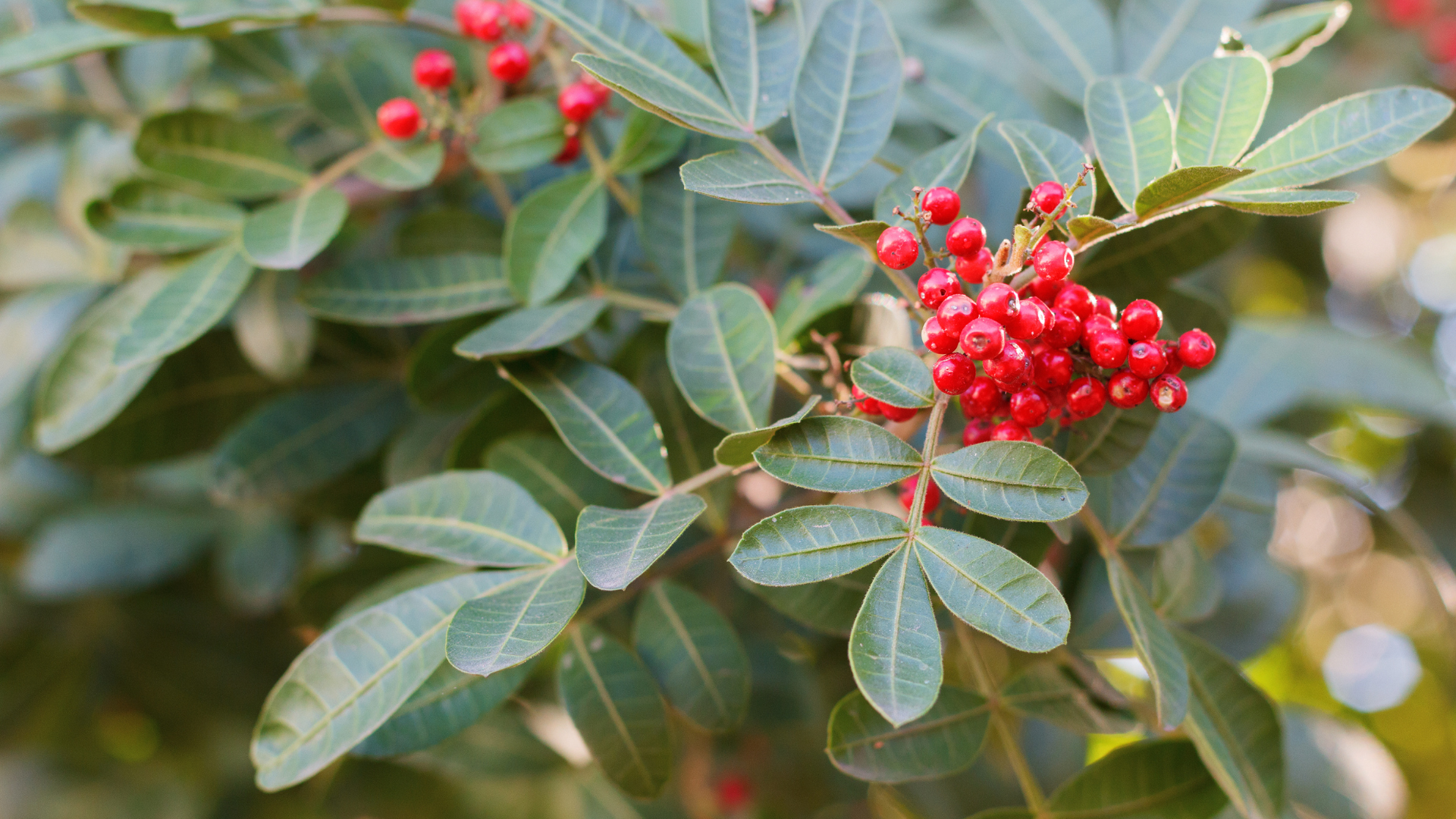
The Threat of Invasive Species
Invasive species are non-native plants that spread rapidly and outcompete native vegetation. They often lack natural predators or diseases in their new environment, allowing them to proliferate unchecked. This can lead to:
Loss of Biodiversity: Invasive plants displace native species, reducing the variety of plant life and disrupting the food chain for native animals.
Habitat Destruction: Dense infestations can transform natural areas into monocultures, eliminating habitats for wildlife.
Increased Fire Risk: Some invasive plants, like Australian pine, can increase the intensity and frequency of fires.
Damage to Property: Invasive species can damage structures, clog drainage systems, and increase maintenance costs.
Brazilian Pepper: The “Florida Holly” Menace
Brazilian pepper is a shrub or small tree native to South America. It’s known for its bright red berries and rapid growth, earning it the deceptive nickname “Florida holly.” However, this plant is far from benign.
Aggressive Growth: Brazilian pepper can quickly form dense thickets, shading out native plants and monopolizing resources.
Prolific Reproduction: It produces large quantities of seeds that are easily dispersed by birds and other animals.
Allelopathic Effects: Brazilian pepper releases chemicals into the soil that inhibit the growth of other plants.
Health Hazards: Its sap can cause skin irritation and allergic reactions in some people.
Australian Pine: A Coastal Threat
Australian pine, despite its name, is not a true pine. This tall, fast-growing tree is native to Australia and Southeast Asia. It was introduced to Florida for erosion control but has become a major invasive species.
Rapid Growth and Spread: Australian pine trees grow rapidly and produce large numbers of seeds that are dispersed by wind and water.
Dense Monocultures: They can form dense stands that displace native vegetation, particularly in coastal areas.
Increased Erosion: Although initially planted for erosion control, their shallow root systems can actually increase erosion in some cases.
Fire Hazard: Australian pines produce large amounts of dry needles and woody debris, which can fuel intense fires.
Damage to Wildlife: The dense growth of Australian pine prevents native plants from growing, which are food sources for native animals.
Strategies for Removal and Control
Effectively managing Brazilian pepper and Australian pine requires a combination of strategies. Here’s a list of methods:
Manual Removal:
Description: For small infestations or seedlings, manual removal can be effective.
Process:
Pull seedlings and small plants by hand, ensuring the entire root system is removed.
For larger plants, use tools like loppers, saws, or axes to cut them down.
Follow up with herbicide application to the cut stump to prevent regrowth.
Chemical Control:
Description: Herbicides can be effective for larger infestations or when manual removal is impractical.
Process:
Apply herbicides according to the manufacturer’s instructions.
Use appropriate personal protective equipment (PPE).
Effective herbicides for Brazilian pepper include triclopyr and glyphosate.
For Australian pine, herbicides like triclopyr can be used in cut-stump treatment.
Be cautious when applying herbicides near desirable plants.
Mechanical Removal:
Description: For large infestations of Australian pine, mechanical removal may be necessary.
Process:
Use heavy equipment, such as bulldozers or excavators, to remove trees and root systems.
This method can be disruptive to the soil and surrounding vegetation, so it’s best used in heavily infested areas.
Follow up with herbicide treatment or replanting with native species to prevent regrowth and erosion.
Fire Management:
Description: In some cases, controlled burns can be used to manage Australian pine infestations.
Process:
This method requires careful planning and execution by trained professionals.
Fire can kill Australian pine seedlings and saplings, but mature trees may resprout.
Follow-up treatments, such as herbicide application, are usually necessary.
Prevention and Monitoring:
Description: Preventing new infestations and monitoring treated areas are crucial for long-term control.
Process:
Regularly inspect your property for seedlings and remove them promptly.
Avoid planting Brazilian pepper or Australian pine.
Encourage the growth of native plants, which can compete with invasive species.
Stay informed about the latest recommendations for invasive species management.
Importance of Native Landscaping
Replacing invasive plants with native species is essential for long-term ecological health. Native plants are adapted to the local climate and soil conditions, and they provide food and habitat for native wildlife. Consider these Florida-friendly landscaping principles:
Plant Diversity: Choose a variety of native plants to create a resilient and diverse landscape.
Right Plant, Right Place: Select plants that are well-suited to the specific conditions of your property, such as soil type, sunlight, and moisture levels.
Water Conservation: Use drought-tolerant native plants to reduce water consumption.
Wildlife Habitat: Incorporate plants that provide food and shelter for birds, butterflies, and other wildlife.
Conclusion
Brazilian pepper and Australian pine are aggressive invasive species that pose a serious threat to Florida’s natural ecosystems and your landscaping. By understanding the characteristics of these plants and implementing effective removal and control strategies, you can protect your property and contribute to the preservation of the Treasure Coast’s unique biodiversity. Remember that ongoing monitoring and prevention are essential for long-term success. Replacing invasive plants with native species will not only enhance the beauty of your landscape but also create a healthy and sustainable environment for generations to come.