
The Indian River Lagoon, a stunning 156-mile estuary stretching along Florida’s east coast, is a treasure trove of natural beauty and diverse ecosystems. However, its proximity to the water also means that many properties in the area are susceptible to flooding. Understanding the nuances of flood insurance, particularly flood zones and how they impact premiums, is crucial for homeowners and potential buyers along this valuable waterway.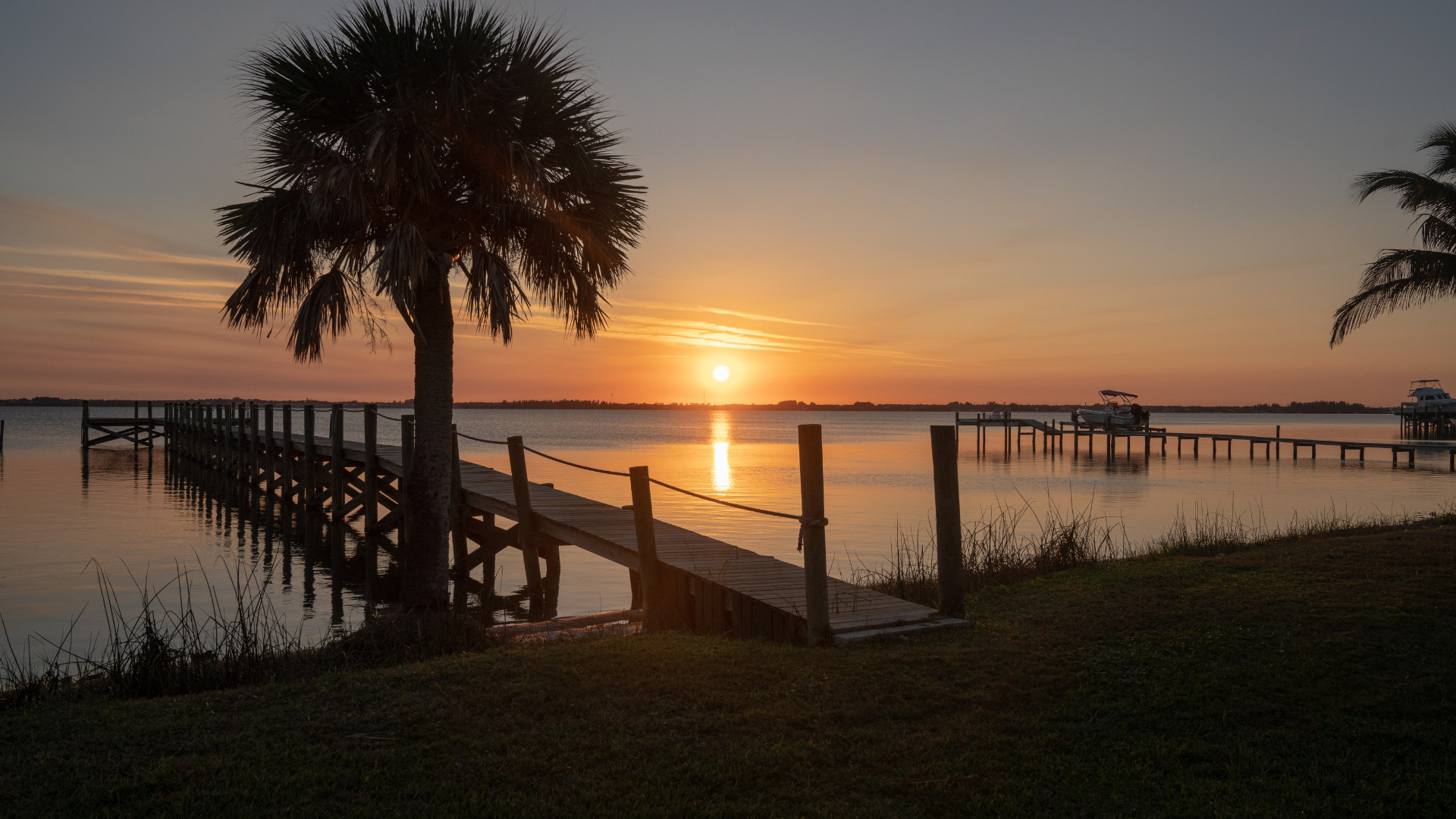
Why Flood Insurance is Essential on the Indian River Lagoon
The Indian River Lagoon’s unique geography makes it vulnerable to several flood risks:
Hurricanes and Tropical Storms: Florida’s coastline is a prime target for these powerful weather systems, which can bring intense rainfall, storm surge, and flooding.
Heavy Rainfall: Even outside of major storms, the Treasure Coast can experience periods of heavy rainfall that overwhelm drainage systems and lead to flooding.
Tidal Flooding: Rising sea levels and high tides can cause flooding in low-lying areas, especially those directly adjacent to the lagoon.
Understanding Flood Zones
The Federal Emergency Management Agency (FEMA) designates flood zones to indicate the level of flood risk in specific areas. These zones are a key factor in determining flood insurance requirements and premiums. Here’s a breakdown of the most common flood zones you might encounter along the Indian River Lagoon:
High-Risk Flood Zones (Special Flood Hazard Areas or SFHAs):
Zone V: Coastal areas with the highest risk of flooding, particularly from storm surge. These zones have the strictest building requirements and typically the highest insurance rates.
Zone A: Areas with a high risk of flooding from rivers, streams, and storm surge. These zones also have mandatory flood insurance requirements for properties with federally backed mortgages.
Zone AE: A subdivision of Zone A, where the base flood elevation (BFE) is provided.
Moderate- to Low-Risk Flood Zones:
Zone B, Zone X: Areas with a moderate or low risk of flooding. While flood insurance is not federally required in these zones, it is still recommended.
Factors Affecting Flood Insurance Premiums
Several factors influence the cost of flood insurance premiums along the Indian River Lagoon:
Flood Zone: As mentioned earlier, properties in high-risk zones (V, A, AE) will have significantly higher premiums than those in moderate- to low-risk zones.
Base Flood Elevation (BFE): The BFE is the estimated height to which floodwater will rise during a base flood. If your property’s lowest floor is below the BFE, your insurance costs will be higher.
Elevation of the Property: Even within the same flood zone, a home built on a higher elevation will generally have lower premiums than a home built at a lower elevation.
Building Construction: The type of construction, including the foundation, can affect flood risk and insurance costs. For example, homes built on stilts or pilings are generally considered less vulnerable to flooding.
Age of the Property: Older homes may not meet current building codes and may have a higher risk of flood damage, leading to higher premiums.
Coverage Amount: The amount of insurance coverage you purchase for your dwelling and personal property will directly impact your premium.
Deductible: A higher deductible will lower your premium, but you’ll pay more out-of-pocket in the event of a flood.
Community Rating System (CRS): Some communities participate in the CRS, a voluntary program that encourages floodplain management practices that exceed NFIP requirements. Residents in these communities may be eligible for discounted flood insurance premiums. (For example, Indian River Shores has a CRS rating.)
Understanding NFIP and Private Flood Insurance
In Florida, including along the Indian River Lagoon, you can obtain flood insurance through two main sources:
National Flood Insurance Program (NFIP): A federal program administered by FEMA. The NFIP provides the majority of flood insurance policies in the United States.
Private Flood Insurance Companies: In recent years, the private flood insurance market has grown, offering alternative coverage options that may provide broader protection or competitive rates.
Recommendations for Indian River Lagoon Property Owners
Determine Your Flood Zone: Contact your local government or a qualified insurance agent to determine your property’s flood zone.
Obtain a Flood Insurance Quote: Get quotes from both the NFIP and private insurers to compare coverage and costs.
Consider Elevation: If you are buying or building a home, consider its elevation in relation to the BFE.
Explore Mitigation Measures: Take steps to reduce your flood risk, such as elevating your home, installing flood vents, or improving drainage. These measures may help lower your insurance premiums.
Review Your Policy Regularly: Flood risks and insurance rates can change, so it’s essential to review your policy periodically.
Conclusion
For homeowners and potential buyers along the Indian River Lagoon, understanding the cost of flood insurance is essential for financial protection and peace of mind. By familiarizing yourself with flood zones, the factors that affect premiums, and your insurance options, you can make informed decisions to safeguard your property and your investment in this beautiful but flood-prone region.