
Port St. Lucie (PSL) has transformed from a sleepy retirement community to one of the fastest-growing cities in Florida. This growth is primarily driven by vast, master-planned communities, with the Wylder development standing out as a prime example of both the opportunity and the challenge facing St. Lucie County.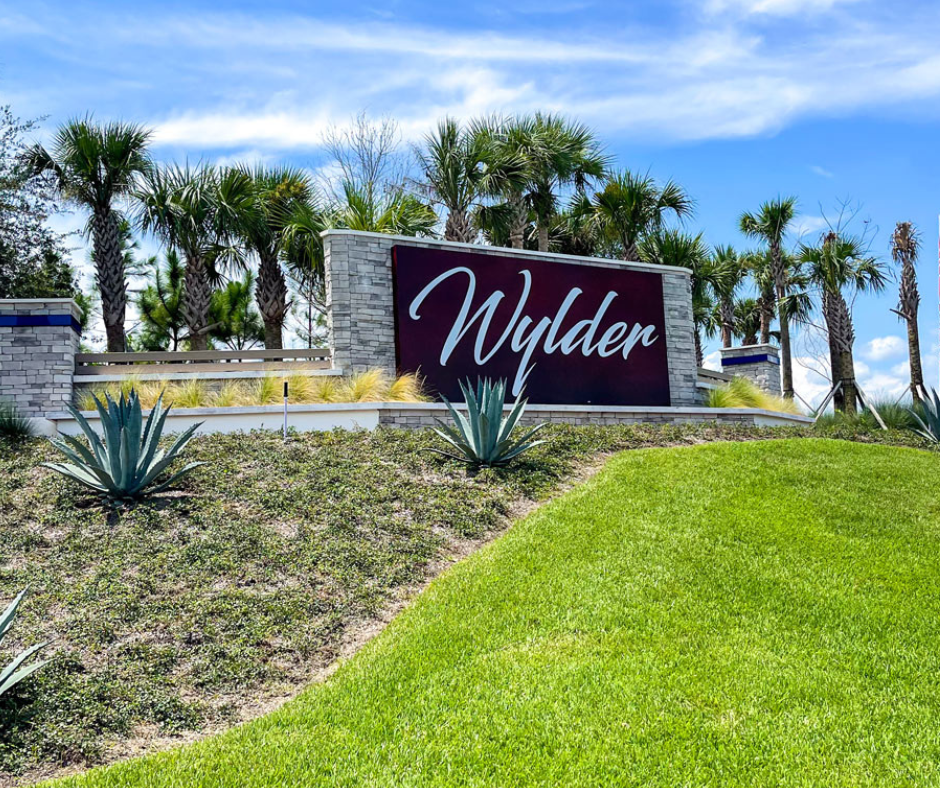
Spanning nearly 2,000 acres, Wylder is slated to include 3,400 homesites and 600 multi-family units, effectively adding a small city’s worth of residents to the county.<!–> While developments like Wylder bring much-needed housing inventory and a boost to the local economy, they place immense and immediate pressure on existing public infrastructure, sparking controversy among long-time residents concerned about traffic congestion and school capacity.
<!–>The Wylder Blueprint: A New Era of Master-Planned Living
Developed by GreenPointe Holdings, Wylder is strategically positioned to attract families and retirees with a modern, amenity-rich lifestyle.–> The plan is ambitious, aiming to seamlessly blend residential neighborhoods with natural preserves, a golf course (Glynlea Country Club), and commercial spaces.
Wylder’s Key Infrastructure Commitments:
Massive Residential Volume: The 4,000+ total units will introduce thousands of new cars to local roadways and potentially thousands of new students to the St. Lucie Public Schools system.<!–>–>
<!–>Community Assets: The developer has committed to donating land for a new public high school and local multi-use paths, demonstrating an awareness of the necessary infrastructure investments required by projects of this scale.–><!–>
–><!–>–>Varied Housing: The community offers a range of homes, including single-family homes (Brystol) and 55+ communities (Four Seasons at Wylder), ensuring a diverse and massive influx of residents.<!–>–>
<!–>
🚗 The Strain on Infrastructure: Traffic and Roadway Capacity
The most immediate pain point for current Port St. Lucie residents is the inevitable increase in traffic impacts.–> The city’s roadway network, while constantly being upgraded, struggles to keep pace with the sheer volume of new vehicles generated by mega-developments.<!–>–>
<!–>Increased Trip Generation: Wylder’s thousands of homes will lead to a massive spike in daily trips on surrounding major roads. Even with Impact Fees collected for road improvements, the construction and completion of road projects often lags years behind the influx of new residents.
Concurrency Issues: St. Lucie County and PSL operate under concurrency rules, which require the planning for adequate infrastructure (roads, schools, water) to keep up with development. Residents often argue that while the development pays its share via Impact Fees, the actual capacity to handle the growth simply isn’t there yet.
Commuter Congestion: Many new PSL residents commute to jobs outside the county, putting huge strain on major north-south arteries and interchanges (like I-95 and Florida’s Turnpike access points) during peak hours.
📚 School Capacity: Overcrowding and Financial Pressure
The impact of large-scale residential projects on the St. Lucie County School District is perhaps the most critical long-term concern. New residential development often has a negative fiscal impact on schools, meaning the cost to educate new students (teachers, resources) outstrips the property tax revenue generated by the new homes.–><!–>
Need for New Facilities: The immediate demand for seats often leads to overcrowding in existing elementary, middle, and high schools that serve the Wylder area.<!–>–>
<!–>The Developer Contribution: While developers like Wylder donate land for future schools, the School Board still faces massive challenges in securing funding, dealing with construction cost inflation, and managing the timeline to actually build and staff the new facility before the student population exceeds capacity.
Impact Fees for Schools: School Impact Fees are a vital tool, but they alone rarely cover the full cost of building a new school. This shortfall requires the district to rely on bond issues or referendums, placing a financial burden on the wider St. Lucie County tax base.–><!–>
–><!–>–>
Conclusion: Redefining the Future of Port St. Lucie
Wylder and similar mega-developments are the defining feature of modern Port St. Lucie growth. They signify a shift from planned suburban sprawl to integrated, amenity-rich master communities. While they offer significant economic benefits and high-quality housing, they have put St. Lucie County under a microscope.<!–>–>
<!–>The success of this new era of development will be judged not merely by the number of homes sold, but by the coordinated effort between the City, the County, and the developers to ensure that traffic congestion is mitigated and that school capacity keeps pace with the tens of thousands of new residents moving to the Treasure Coast.–> Transparency and continuous investment in infrastructure are the only way to ensure the quality of life in PSL keeps up with its population boom.