
Florida’s Treasure Coast—spanning desirable areas like Port St. Lucie, Stuart, and Palm City—is a hotbed for beautiful new construction. Buyers are flocking to master-planned communities offering resort-style pools, sprawling clubhouses, and miles of well-maintained common areas.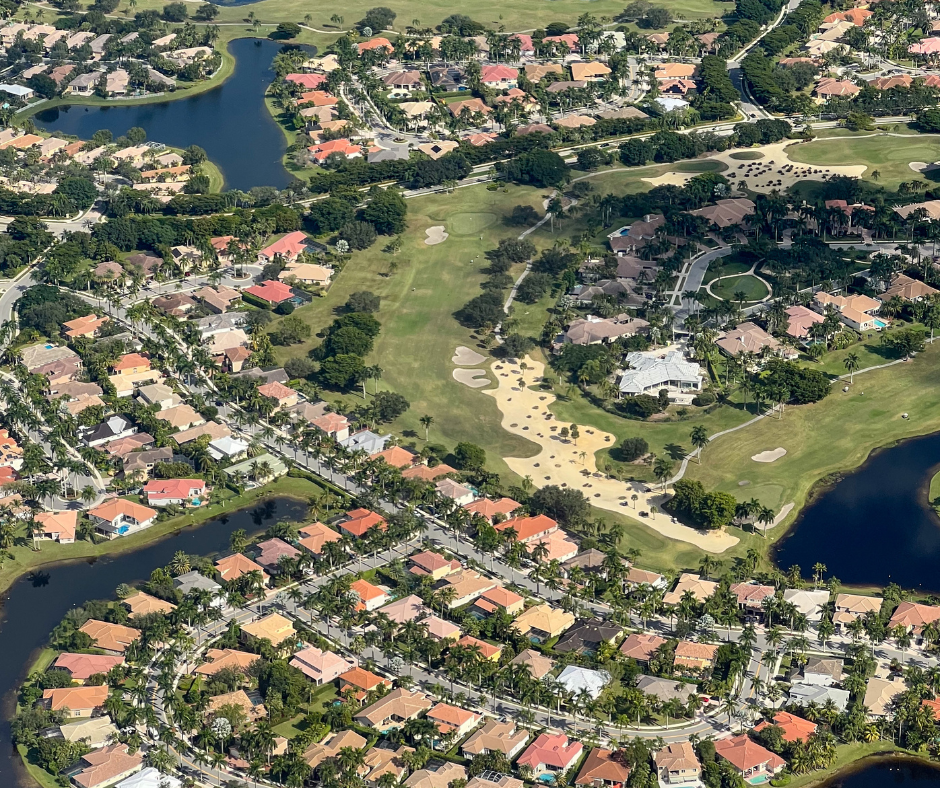
But these luxurious amenities come with a built-in, often misunderstood, financial obligation: the Community Development District (CDD) Fee.
For buyers, especially those relocating from states without this structure, the CDD fee is a critical hidden cost that can dramatically impact monthly budgets, future equity, and long-term financial planning. Understanding the CDD structure is the first step to avoiding the CDD fee trap in your Florida real estate purchase.
🏘️ What is a Community Development District (CDD)?
A Community Development District (CDD) is a governmental entity, established under Florida Law (Chapter 190), created to finance and manage the infrastructure required for new, large-scale residential developments.
The CDD Fee Structure is Comprised of Two Main Parts:
The Debt Assessment (Bond Payment): This fee pays off the bonds the CDD issued to finance the initial infrastructure costs—things like roads, water management, sewer systems, and primary amenity construction. This is effectively a loan for the infrastructure, and it is the fee that adds the largest, most significant chunk to your annual payment.
Timeline: This assessment typically lasts 20 to 30 years. Once the bond is paid off, this fee component disappears.
The Maintenance Assessment: This fee is charged permanently to cover the costs of maintaining the common amenities and infrastructure once the development is built (e.g., landscaping, amenity management, clubhouses, common area insurance).
💸 The Financial Trap: CDDs and Your Mortgage
The primary reason CDDs surprise buyers is that they are non-ad valorem assessments—they are not property taxes, but they appear on your annual tax bill and are generally collected through your mortgage escrow account.
4 Ways the CDD Fee Impacts Your Finances:
Increases Monthly Payment: Because the CDD fee is paid with your property taxes through escrow, it effectively raises your monthly housing expense by hundreds of dollars. For a home with a $2,500 annual CDD payment, that’s over $200 added to your monthly PITI (Principal, Interest, Taxes, Insurance).
Complicates Affordability: Lenders must include the CDD fee when calculating your Debt-to-Income (DTI) ratio. This can reduce the loan amount you qualify for, meaning you may afford a less expensive home than initially planned.
Lowers Apparent Home Value: When comparing a home in a CDD community to an identical home outside one, the CDD home is often priced lower initially, but the total cost of ownership (mortgage + CDD) may be higher. The mandatory CDD fee can make the home less appealing to future buyers.
No Early Release Clause: While you can usually pay off the debt assessment early (just like a mortgage), you cannot opt out of the permanent maintenance assessment. Even after 30 years, you will continue paying the ongoing maintenance fee.
❓ Critical Questions to Ask Your Agent
Navigating new construction in Treasure Coast real estate requires specific diligence regarding the CDD. Use these questions to protect your investment:
Is the home within a CDD? (The most basic question, often missed by buyers.)
What is the current total annual CDD fee? (Get a precise dollar amount.)
How much of that fee is the Debt Assessment (Bond)? (This is the temporary, large portion.)
What is the remaining term on the Bond? (How many years until that large fee expires?)
What is the annual Maintenance Assessment? (This is the permanent, minimum fee you will always pay.)
🎯 Conclusion: Transparency is Key to Treasure Coast Investing
The Community Development District structure is not inherently bad; it is an efficient mechanism that allows new communities on the Treasure Coast to finance beautiful amenities immediately.
However, the CDD fee trap lies in the lack of transparency, where buyers focus solely on the base price and overlook the significant non-ad valorem costs added to the annual tax bill. To make a sound financial planning decision in the Florida real estate market, every buyer must demand precise figures regarding the CDD bond term, the amount paid off, and the permanent maintenance fee. By asking the right questions, you ensure that the cost of your luxury amenities is fully factored into your long-term budget.