
The Treasure Coast is rapidly becoming a battleground in the digital economy. At the center of the conflict is a massive push by Florida Power & Light (FPL) and technology developers to install gigantic data centers—projects that require hundreds of millions of dollars in new infrastructure. While proponents promise jobs and economic diversification for Martin County and St. Lucie County, residents and environmental advocates fear the steep and permanent costs to the region’s fragile ecosystem.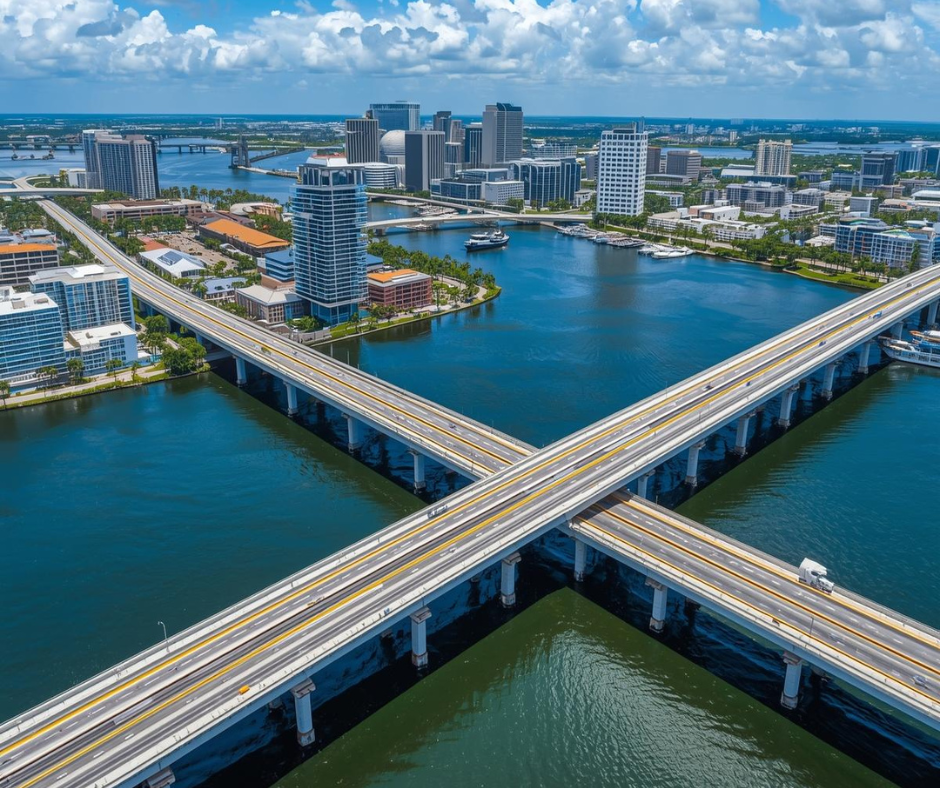
This debate hinges on the immense energy and water requirements of modern data centers, which act as insatiable consumers of local resources. This shift is challenging FPL’s traditional energy distribution model and forcing a difficult conversation about whether the Treasure Coast’s unique environment can sustain the demands of the global tech industry.
The Economic Driver: Why the Treasure Coast?
Technology companies are increasingly targeting Florida for large-scale data center development, and the Treasure Coast offers specific advantages, despite its proximity to hurricane zones.
Robust FPL Infrastructure: FPL is renowned for its reliability and grid stability, a necessity for data centers that require 24/7 uninterrupted power. The company’s massive investment in grid hardening makes the region attractive.
Fiber Optic Connectivity: Strategic undersea cables and existing infrastructure running down the coast provide the necessary high-speed connectivity for global data transfer.
Available Land: Compared to crowded South Florida (Miami-Dade/Broward), areas around Fort Pierce and Port St. Lucie still offer the large tracts of land needed for these expansive industrial complexes.
🔌 The $100 Million Infrastructure Problem
A single hyper-scale data center can consume the energy equivalent of a small city (tens of megawatts). FPL’s involvement is critical because integrating this demand requires massive, costly infrastructure upgrades, which are ultimately borne by the utility and, potentially, its ratepayers.
Key Infrastructure Requirements and Costs:
New Substation Construction: Data centers need dedicated, high-voltage substations. The construction and land acquisition for these can easily exceed $100 million for a single large facility, requiring FPL to reroute transmission lines.
Backup Power Generation: Reliability is non-negotiable. This necessitates the installation of dozens of large, diesel-powered backup generators on-site, raising concerns about local air quality and noise pollution.
Water Cooling Systems: Data centers generate immense heat. The most efficient cooling methods rely on high volumes of water—either pumped from municipal sources or drawn from local waterways (like the St. Lucie River) for cooling towers, stressing regional water resources.
💧 Residents’ Fear: Environmental Costs vs. Economic Gain
For local environmentalists and long-term residents, the immediate economic benefits do not outweigh the long-term, irreversible environmental impacts on the Indian River Lagoon ecosystem.
| Environmental Concern | Direct Impact on Treasure Coast | The Stake |
| Water Consumption | Massive drawdown of regional water supplies for evaporative cooling, especially during droughts. | Water scarcity for municipal use and stress on the aquifer; potential effluent discharge issues. |
| Increased Heat Discharge | Warming the microclimate and potentially affecting runoff temperatures into local canal systems. | Threat to sensitive aquatic species and contributing to the heat-related stress on the Indian River Lagoon. |
| Habitat Loss | Large industrial footprints require the clearing of sensitive Florida scrub and undeveloped wetlands for construction and new FPL transmission corridors. | Loss of critical habitat for protected species like the Gopher Tortoise and Florida Scrub-Jay in St. Lucie County. |
| Air Quality | Frequent testing and use of massive diesel generators during outages introduce fine particulate matter and NOx emissions. | Localized air pollution concerns, particularly in residential areas adjacent to the industrial parks. |
Conclusion: Balancing the Grid and the Lagoon
The $100 Million Data Center Debate forces the Treasure Coast to confront a fundamental question: What is the true value of its natural environment? While FPL and developers see a path to increased grid stability and high-tech jobs, residents see a threat to the limited water resources and the health of the Indian River Lagoon.
Any project of this scale requires transparency and legally binding mitigation strategies from both the utility and the developers. For the Treasure Coast, success won’t be measured by the size of the new substation, but by its ability to integrate this massive new power demand without sacrificing the very environmental beauty that makes Martin and St. Lucie Counties so desirable in the first place.