
Owning a home in a beautiful coastal region offers unparalleled beauty and a relaxed lifestyle. However, this idyllic setting comes with a hidden challenge: the relentless assault of airborne salt. The microscopic salt particles carried on ocean breezes are incredibly corrosive, silently eroding everything from your cherished outdoor seating and patio surfaces to your home’s exterior elements. Without proper care, your beautiful investment can quickly show signs of deterioration.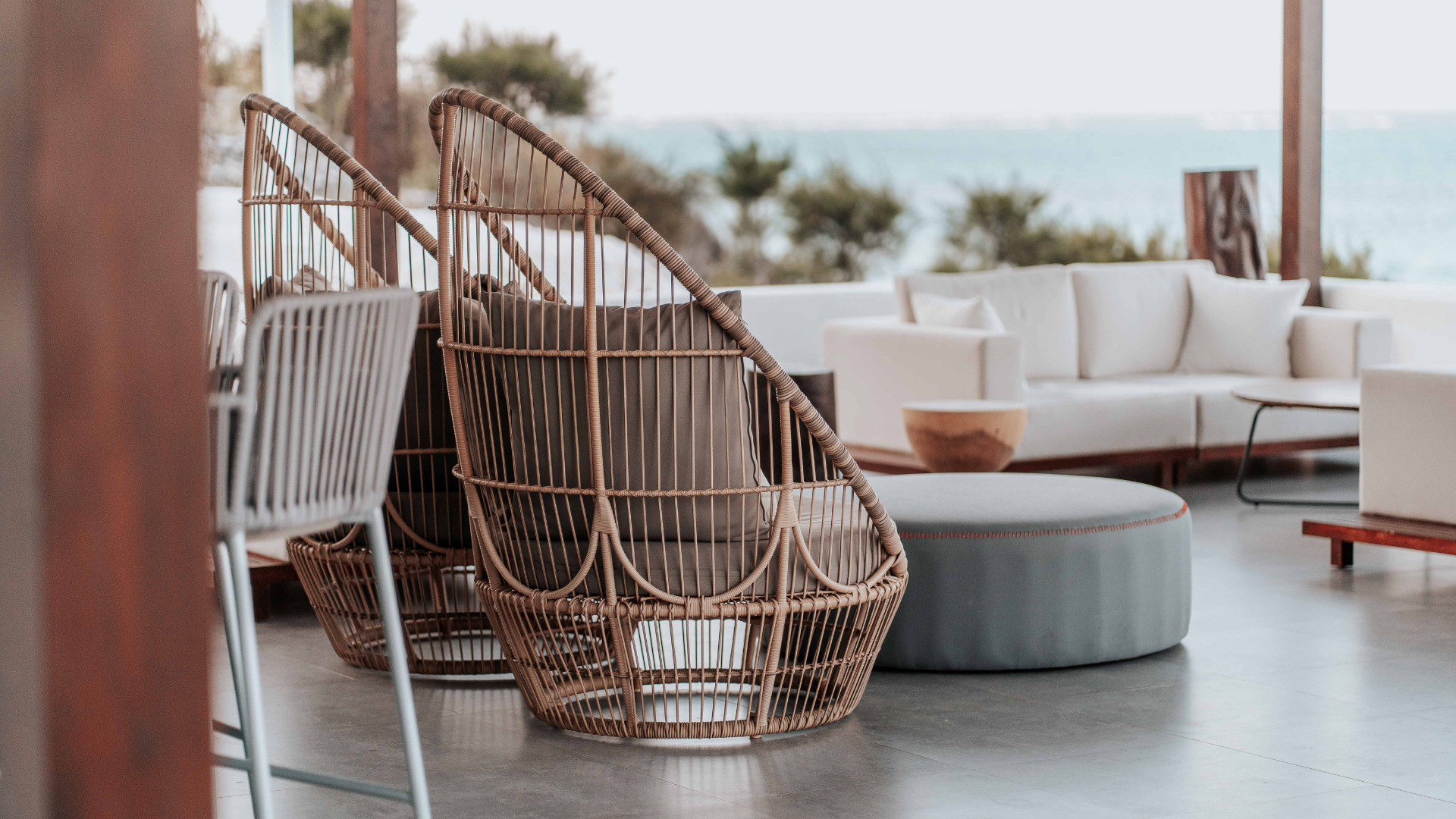
This guide isn’t just general advice; it’s packed with tailored tips specifically for the unique challenges of the Florida coast. Protecting your outdoor living spaces requires a proactive approach, understanding the environment, and employing smart, consistent maintenance. By implementing these strategies, you can significantly extend the life and beauty of your outdoor items, ensuring your coastal oasis remains pristine for years to come.
Battling the Breeze: Local Strategies for Salt Air Protection
The key to preserving your outdoor furniture and finishes in a salt-rich environment lies in consistent care and choosing the right materials. Here’s your essential checklist:
Rinse Regularly: Your First Line of Defense
The Power of Fresh Water: This is arguably the most crucial and simplest tip. Salt crystals accumulate rapidly. Get into the habit of rinsing all your outdoor furniture, railings, and fixtures with fresh water at least once a week, especially after windy days or storms. A gentle spray from a garden hose is usually sufficient.
Why It Works: Fresh water dissolves the corrosive salt residue before it can cause significant damage, preventing salt buildup and minimizing etching and deterioration.
Choose Resistant Materials Wisely:
Marine-Grade Metals: When purchasing new outdoor items, prioritize materials designed for coastal environments. Look for powder-coated aluminum (lightweight and resistant to corrosion), 316 marine-grade stainless steel (superior resistance compared to 304), or high-quality synthetics.
Teak & Synthetic Wicker: Natural teak wood is highly durable and naturally resistant to rot and pests, developing a beautiful silver patina. High-density polyethylene (HDPE) synthetic wicker is another excellent choice, designed to withstand UV and salt.
Avoid: Steer clear of raw steel, wrought iron, or standard aluminum without a strong protective coating, as these will deteriorate quickly.
Apply Protective Coatings & Sealants:
For Metals: Even powder-coated items benefit from a periodic application of a marine-grade wax or clear protective spray, especially on joints and welds where coatings can thin. This adds an extra barrier against the salt and moisture.
For Wood: Natural wood furniture (like teak) benefits from regular cleaning. Other woods may require marine-grade sealants or oils to prevent salt and moisture penetration.
For Fabrics: Use UV- and mold-resistant outdoor fabrics (like Sunbrella) and consider applying fabric protectants to enhance water and salt resistance.
Strategic Placement & Storage:
Cover When Not in Use: During extended periods of non-use, especially during peak windy seasons or when you’re away, cover your furniture with breathable, waterproof covers. This drastically reduces salt exposure.
Utilize Covered Spaces: If you have a screened lanai, covered patio, or garage, moving smaller items into these areas during severe weather or off-season can significantly prolong their life.
Consider Elevated Footings: Keeping furniture legs slightly elevated off perpetually damp surfaces can prevent moisture and salt accumulation at the base.
Address Deterioration & Mildew Promptly:
Spot Treatment: Don’t wait for corrosion to spread. If you see early signs of rust on metal, gently clean the area, remove loose rust with fine-grit sandpaper or a wire brush, and then reapply a suitable rust-inhibiting primer and paint designed for outdoor metal.
Mildew Removal: Mildew thrives in humid, salty environments. Use a solution of mild soap and water (or a specialized outdoor cleaner) with a soft brush to remove mildew, then rinse thoroughly. Ensure good air circulation to prevent recurrence.
Conclusion:
Living in a coastal paradise is a privilege, but it demands a mindful approach to protecting your outdoor assets. The relentless airborne salt is a formidable opponent, but with a consistent maintenance strategy, you can win the battle. By prioritizing regular rinsing, selecting durable, resistant materials, applying protective coatings, and smartly storing your items, you can significantly extend the life and vibrancy of your outdoor furniture and patio finishes. Embrace these local tips to ensure your living space remains as beautiful and inviting as the Florida coast itself, letting you find peace and renewal in your own pristine oasis for years to come.