
Your dream landscape in Florida is a vibrant tapestry of color and life, but an unseen battle might be raging beneath the surface. Across the state, and particularly in coastal areas, two aggressive plants – Brazilian Pepper (Schinus terebinthifolius) and Australian Pine (Casuarina equisetifolia) – pose a significant threat to native ecosystems and can quickly overwhelm your meticulously planned outdoor spaces. These invasive species are relentless, outcompeting desirable plants and compromising the integrity of your property.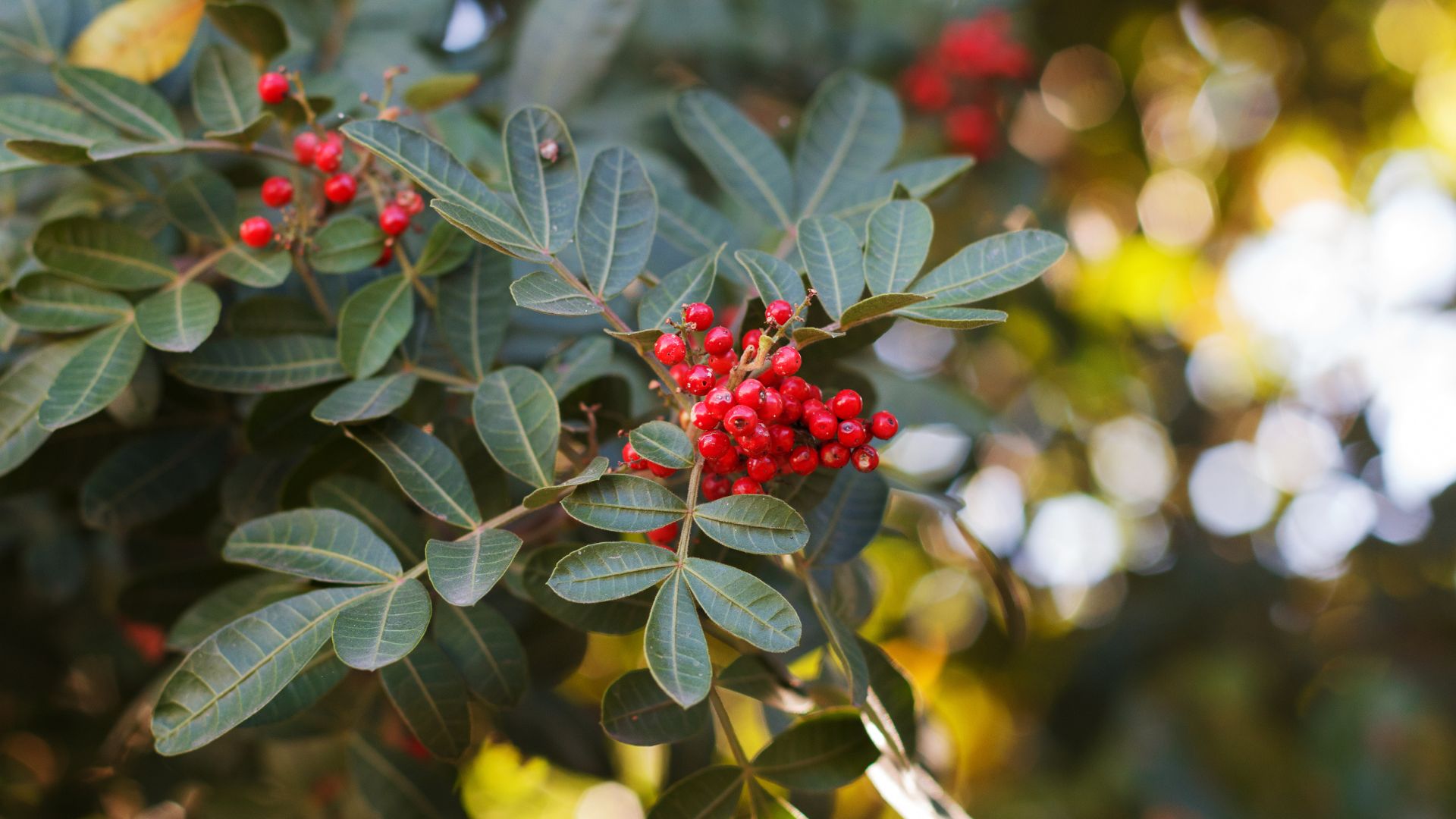
This guide isn’t just about identifying the problem; it’s your actionable plan to protect your landscaping. Dealing with these pervasive invaders requires understanding their nature and employing targeted strategies for removal and control. By taking proactive steps, you can safeguard your property’s value, restore ecological balance, and ensure your beautiful Florida landscape thrives without being choked by these unwelcome guests.
The Threat Unveiled: Why These Invaders Are So Problematic
Understanding the impact of Brazilian Pepper and Australian Pine highlights the urgency of their control:
Brazilian Pepper: This dense, shrubby tree forms impenetrable thickets, suffocating native vegetation and reducing biodiversity. Its berries are consumed by birds, which then spread the seeds widely, accelerating its invasion. For humans, contact with the sap can cause skin irritation, and the pollen can trigger respiratory issues.
Australian Pine: Despite its name, this is not a true pine but a fast-growing tree with needle-like leaves. It forms dense monocultures, shades out native plants, and its shallow root system makes it highly susceptible to toppling in high winds, posing a significant hazard to homes and property, especially during Florida’s hurricane season. It also alters soil chemistry, making it difficult for other plants to grow.
Your Action Plan for Control: Methods for Removal and Management
Effectively dealing with these invasive species requires a multi-pronged approach, combining manual effort with strategic treatments. Here’s your guide:
Accurate Identification is Crucial:
Brazilian Pepper: Look for glossy green leaves arranged in alternating patterns, often with reddish stems and bright red berries (especially in fall/winter). It can grow as a multi-trunked shrub or a small tree.
Australian Pine: Recognizable by its slender, drooping, jointed green stems (which look like needles) and small, cone-like seed pods. It often grows very tall and straight.
Why: Misidentification can lead to ineffective treatment or harming beneficial plants.
Manual Removal for Young Plants and Seedlings:
Pulling/Digging: For small Brazilian Pepper seedlings or young Australian Pines (under 1 inch in diameter), hand-pulling or digging them out can be effective.
Key: Ensure you remove the entire root system. Any remaining root fragments, especially for Brazilian Pepper, can resprout vigorously. Wear gloves when handling Brazilian Pepper to avoid skin irritation.
Best Time: When the soil is moist, making extraction easier.
Chemical Treatment for Larger Plants (Cut-Stump or Basal Bark Method):
For Brazilian Pepper & Larger Australian Pine: Simply cutting them down usually results in vigorous resprouting. The most effective DIY method for larger specimens (over 1 inch diameter) is the cut-stump treatment.
Method: Cut the trunk as close to the ground as possible. Immediately (within 5-10 minutes) apply a concentrated herbicide (often triclopyr-based products designed for woody plants, or glyphosate-based) to the freshly cut surface, especially the outer ring (cambium).
Basal Bark: For smaller stems (up to 4-6 inches in diameter) that you don’t want to cut immediately, specific oil-soluble triclopyr formulations can be sprayed directly onto the bark around the entire circumference of the lower 12-18 inches of the trunk.
Cautions: Always read and follow herbicide label instructions meticulously. Wear appropriate personal protective equipment (gloves, eye protection, long sleeves). Avoid application on windy days or when rain is expected to prevent drift and runoff.
Consistent Monitoring and Follow-Up:
Persistence is Key: Both species have persistent seed banks and can resprout from neglected roots or missed seeds. Regular inspections of the treated area are crucial.
Ongoing Removal: Be prepared to remove new seedlings as they emerge. This might be a multi-year commitment, but sustained effort will eventually deplete the seed bank.
Prevention Through Native Landscaping:
Replant with Natives: Once you’ve removed invasives, fill those empty spaces with appropriate Florida native plants. Native species are adapted to the local climate, require less water and fertilizer, and are naturally resistant to many pests and diseases.
Ecological Benefits: They also provide essential food and habitat for native wildlife, restoring the natural balance that the invasives disrupted. A healthy, diverse native landscape is more resilient against future invasions.
Keywords: Florida native plants, native landscaping, ecosystem restoration, sustainable landscaping.
Know When to Call the Professionals:
Large-Scale Infestations: If you’re dealing with vast, dense thickets or very large, mature trees, professional invasive plant removal services are highly recommended. They have specialized equipment, expertise, and permits (especially near water bodies) to handle hazardous removals safely and effectively.
Sensitive Areas: If the plants are near water bodies, wetlands, or your home’s foundation, professional removal minimizes environmental impact and structural risks.
Chemical Application Concerns: If you’re uncomfortable using herbicides or dealing with large quantities, a licensed professional can apply them safely and correctly.
Conclusion:
The battle against invasive species like Brazilian Pepper and Australian Pine is an ongoing commitment, but it’s a vital one for preserving the beauty and ecological health of your Florida property. By understanding these aggressive plants, employing targeted DIY removal methods for smaller infestations, and knowing when to call in professional invasive removal services for larger challenges, you can effectively protect your cherished landscaping. Replacing these harmful invaders with resilient Florida native plants will not only enhance your property’s aesthetic appeal but also contribute to a healthier local ecosystem. Embrace this proactive approach, and ensure your slice of Florida paradise remains a vibrant, thriving natural space for years to come.