
Owning a piece of paradise on Florida’s Treasure Coast – whether in bustling Port St. Lucie, charming Vero Beach, or vibrant Stuart – is a dream come true. However, alongside the sunshine and beautiful beaches comes the responsibility of understanding and adhering to local ordinances. These rules, established by the individual cities and counties within the Treasure Coast (St. Lucie County, Indian River County, and Martin County), are designed to maintain the unique character, ensure safety, and preserve the quality of life that makes this region so special. While navigating these regulations might seem like a chore, grasping the essentials of ordinances related to setbacks, noise levels, and other common regulations can save you from potential fines, neighborly disputes under the Florida sun, and even legal issues specific to the Treasure Coast. This article will delve into these key areas, providing Treasure Coast homeowners with a practical understanding of the rules that shape their property and neighborhood.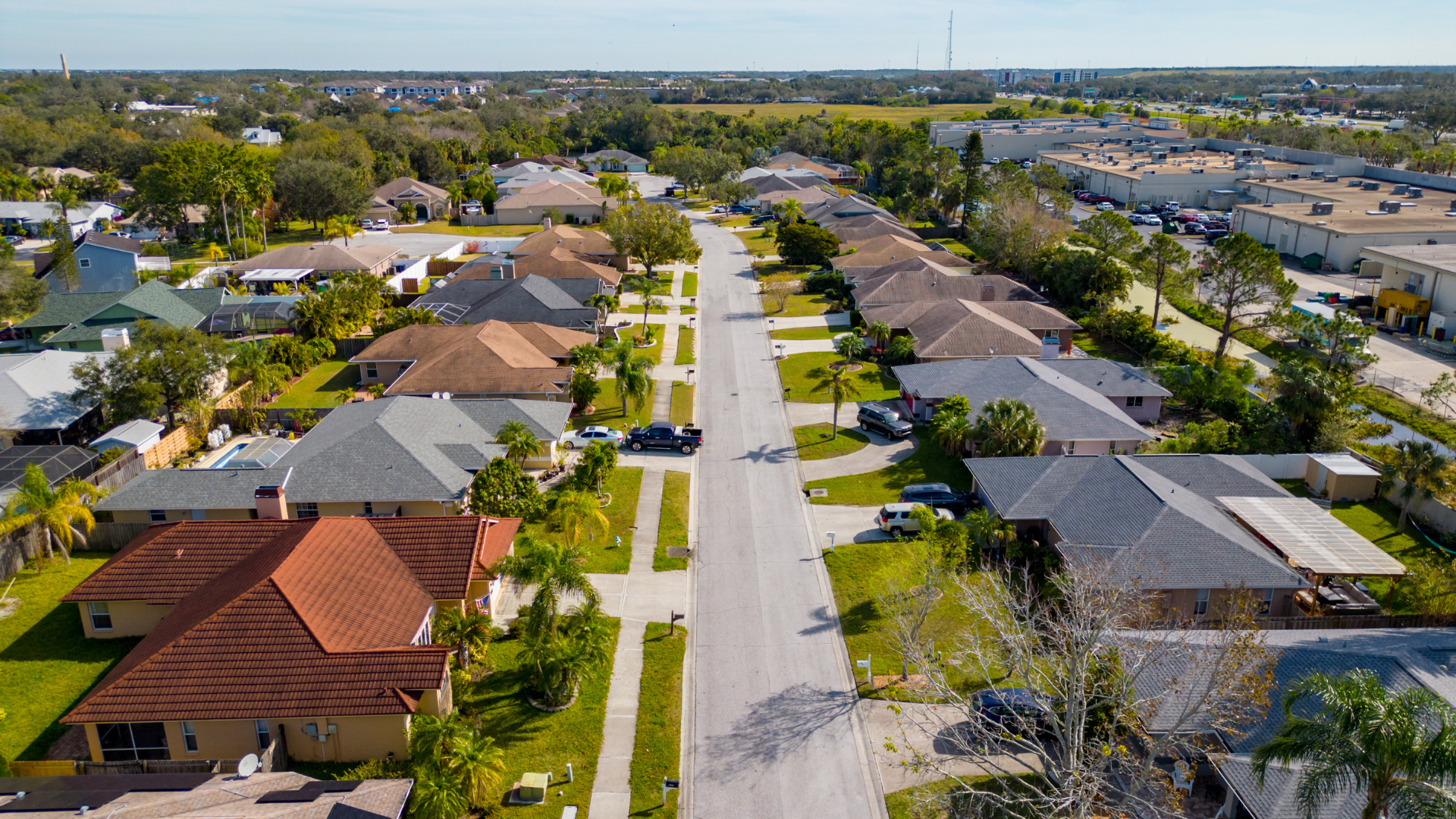
Understanding local ordinances in the Treasure Coast is crucial for responsible homeownership in this desirable region. Ignoring them can lead to costly mistakes and strained relationships within our close-knit communities. Let’s explore some of the most common regulations Treasure Coast homeowners need to be aware of:
Key Local Ordinances for Treasure Coast Homeowners:
Here’s a breakdown of essential local ordinances that frequently impact homeowners across the Treasure Coast:
- Setback Requirements (Coastal Considerations): These regulations dictate the minimum distance your house, additions, or other structures must be from property lines (front, side, and rear). On the Treasure Coast, these setback requirements can be particularly important due to proximity to waterways, wetlands, and the coastline. Understanding these is vital before any construction or landscaping, especially near sensitive environmental areas.
- Noise Ordinances (Balancing Coastal Tranquility): The laid-back lifestyle of the Treasure Coast is valued, and noise ordinances aim to preserve that tranquility, particularly during evening and nighttime hours. Restrictions often apply to loud music, power tools, construction noise (especially near tourist seasons), and even excessive noise from vacation rentals in residential areas.
- Building Codes and Hurricane Preparedness: Given Florida’s hurricane season, building codes on the Treasure Coast are stringent and focus on wind resistance, flood protection, and overall structural integrity. Obtaining the necessary building permits ensures your projects meet these critical safety standards.<!–>–>
- Zoning Regulations (Preserving Community Character): Zoning ordinances across St. Lucie County, Indian River County, and Martin County dictate land use within specific areas, preserving the unique blend of residential, commercial, and natural spaces that define the Treasure Coast. Understanding your property’s zoning is key for permitted activities and development.
- Homeowners Association (HOA) Rules (Common in Treasure Coast Communities): Many Treasure Coast communities, especially those with amenities like golf courses or boat docks, have HOAs with specific rules governing aesthetics, landscaping (often emphasizing native Florida plants), parking (important near beaches), and pet policies (considering local wildlife).
- Waste Management and Environmental Protection: Treasure Coast ordinances often emphasize responsible waste management and recycling, with specific guidelines to protect the delicate coastal environment and waterways like the Indian River Lagoon. Yard waste disposal, especially concerning fertilizer runoff, may also be regulated.<!–>–>
- Parking Regulations (Beach Access Considerations): With popular beaches and waterways, parking regulations on the Treasure Coast are often in place to manage traffic flow and ensure access. Be aware of restrictions on street parking, especially near public access points and during peak seasons.
- Signage Regulations (Maintaining Visual Appeal): To maintain the aesthetic appeal of the Treasure Coast, local ordinances often regulate the size, placement, and type of signage allowed on residential properties.
- Landscaping and Native Plant Requirements: Some Treasure Coast municipalities encourage or even require the use of native Florida landscaping to conserve water and support local ecosystems.<!–> Restrictions on the removal of mature trees, particularly mangroves and oaks, may also exist.–><!–>
- Pet Ownership Regulations (Protecting Wildlife): Pet ownership regulations on the Treasure Coast often include leash laws (especially near beaches and parks), restrictions on the number of pets, and rules regarding waste disposal to protect local wildlife, including sea turtles and manatees.
Navigating Treasure Coast Local Ordinances for a Sunny and Sustainable Homeownership Experience:
Understanding local ordinances in the Treasure Coast isn’t just about avoiding fines; it’s about contributing to the preservation of this beautiful and unique region. By familiarizing yourself with regulations concerning property setbacks (considering coastal influences), acceptable noise levels (respecting the relaxed atmosphere), and other vital rules, you can ensure your Treasure Coast homeownership journey is smooth, sustainable, and respectful of your neighbors and the environment.
Conclusion:
Staying informed about local ordinances is an ongoing aspect of responsible homeownership on the Treasure Coast. While the specifics may vary between Port St. Lucie, Vero Beach, Stuart, and the unincorporated areas of St. Lucie County, Indian River County, and Martin County, understanding the fundamental principles behind regulations like coastal setbacks, noise ordinances that respect the peace, and hurricane-ready building codes is essential. By proactively researching and adhering to these rules, you can protect your investment, foster positive relationships within your Treasure Coast community, and contribute to the overall well-being of this cherished coastal paradise. Don’t hesitate to contact your local government or homeowners association for clarification on any ordinances you find unclear. Taking the time to understand these regulations is a crucial step towards fully enjoying the Treasure Coast lifestyle in your new home.
–>