
Understanding Hurricane Season on the Treasure Coast
The Atlantic hurricane season officially runs from June 1st to November 30th. Residents of the Treasure Coast, including those in St. Lucie, Martin, and Indian River counties, need to be particularly vigilant during this time. The region’s beautiful coastal location also makes it vulnerable to the damaging effects of these powerful storms.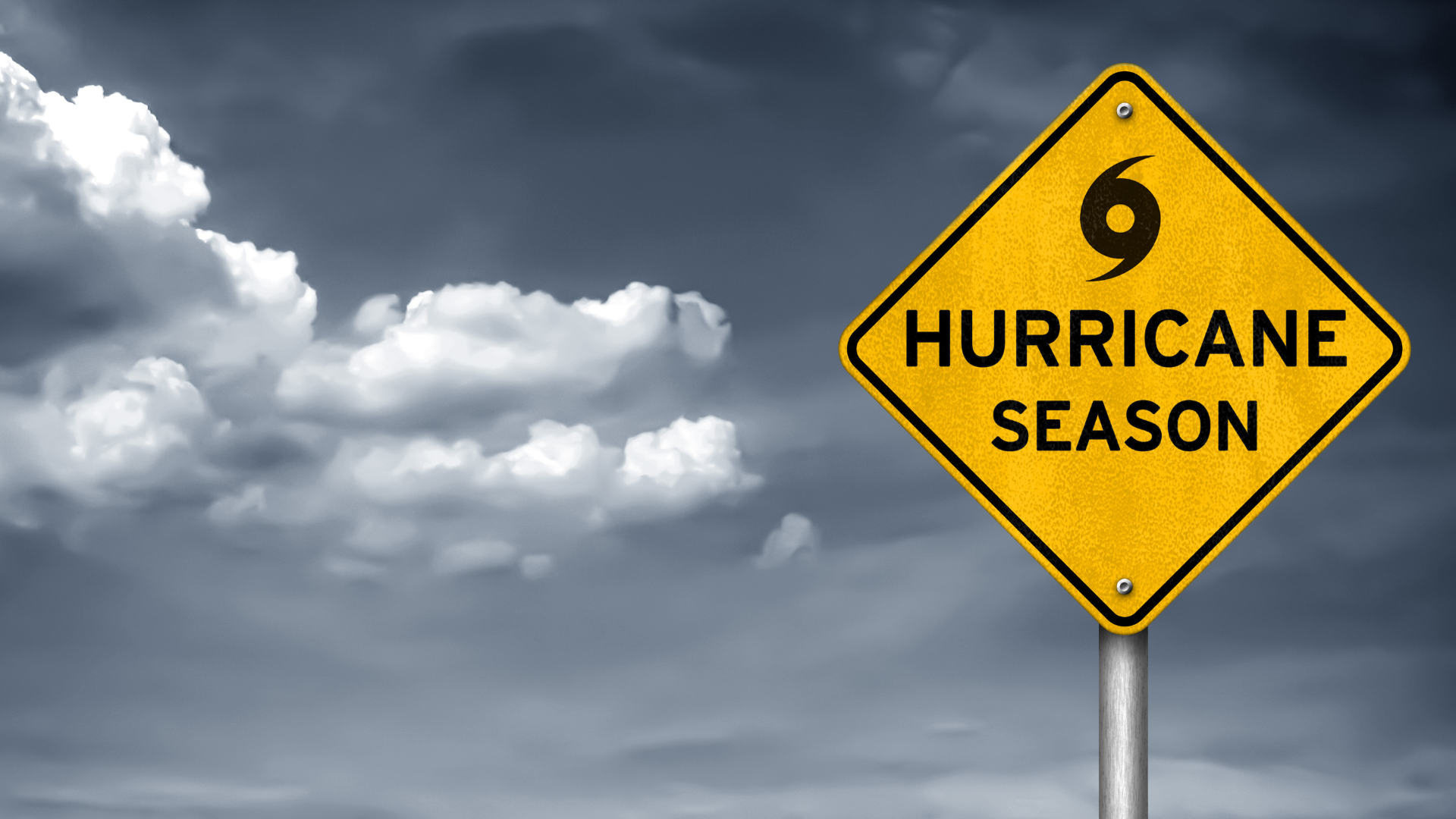
Why Prepare?
Hurricanes can bring a variety of hazards, including:
High winds: Capable of causing significant structural damage.
Heavy rainfall: Leading to flooding.
Storm surge: A dangerous rise in sea level that can inundate coastal areas.
Tornadoes: Often spawned by hurricanes.
Taking proactive steps to prepare your home can significantly reduce the risk of damage and ensure your family’s safety.
Hurricane Preparedness Checklist for Treasure Coast Residents:
This checklist is designed to help Treasure Coast homeowners systematically prepare their properties for hurricane season:
1. Protect Your Roof:
Regular Inspections: Have your roof professionally inspected to identify any weaknesses or potential issues.
Secure Roofing Materials: Ensure that shingles, tiles, or metal roofing are securely attached.
Reinforce connections: Consider adding hurricane straps or clips to further secure the roof to the walls.
Seal any openings: Seal any roof penetrations, such as vents and chimneys, to prevent water intrusion.
2. Secure Openings:
Impact-Resistant Windows and Doors: Install impact-resistant windows and doors that meet Florida Building Code requirements.
Hurricane Shutters: If impact-resistant windows and doors aren’t feasible, install properly rated hurricane shutters.
Brace garage doors: Reinforce your garage door, as it is a large opening that can be vulnerable to wind damage.
Seal all gaps: Caulk and seal any gaps around windows and doors.
3. Landscaping and Exterior:
Trim Trees and Shrubs: Remove dead or weak branches that could become projectiles in high winds.
Clear Gutters and Downspouts: Ensure that gutters and downspouts are free of debris to allow for proper drainage.
Secure Outdoor Items: Bring in or secure any loose outdoor items, such as furniture, grills, and decorations.
Inspect your property: Look for potential issues.
4. Flood Protection:
Assess your risk: Determine if your property is in a flood zone.
Flood insurance: Purchase flood insurance, as standard homeowners insurance doesn’t cover flood damage.
Elevate vulnerable items: If possible, elevate electrical components, appliances, and other valuable items.
Install a sump pump: If necessary, install a sump pump with a backup power source.
Seal walls: Seal any foundation cracks.
5. Prepare Your Supplies:
Gather Emergency Supplies: Assemble a disaster supply kit with enough food, water, and other essentials to last for several days.
First-Aid Kit: Ensure you have a well-stocked first-aid kit.
Medications: Store an ample supply of prescription medications.
Important Documents: Protect important documents (insurance policies, identification, etc.) in a waterproof container.
Generator: Consider investing in a generator to maintain power during outages.
Fuel: Keep your vehicle’s gas tank full and have extra fuel for your generator, if applicable.
Cash: Have extra cash on hand.
6. Create a Plan:
Evacuation Plan: Develop a family evacuation plan, including where you will go and how you will get there.
Communication Plan: Establish a family communication plan in case you are separated.
Stay Informed: Monitor local weather reports and emergency alerts.
Know your community’s emergency plans.
7. Insurance:
Review Your Policy: Review your homeowners insurance policy to ensure you have adequate coverage.
Flood Insurance: Consider supplemental flood insurance.
Documentation: Document your belongings with photos or videos for insurance purposes.
Conclusion:
Preparing for hurricane season is not a one-time task but an ongoing process. By following this checklist and staying informed, Treasure Coast residents can significantly enhance their home’s resilience to hurricanes and protect what matters most. Don’t wait until a storm is on the horizon – start preparing today.