
The stretch of Florida’s coastline spanning from Fort Pierce to Vero Beach is not called the Treasure Coast by accident. It earned its legendary name from the devastating 1715 Spanish Plate Fleet disaster, a hurricane that scattered eleven heavily laden galleons, carrying gold, silver, and jewels worth an estimated $400 million (in modern recovery terms), across the ocean floor.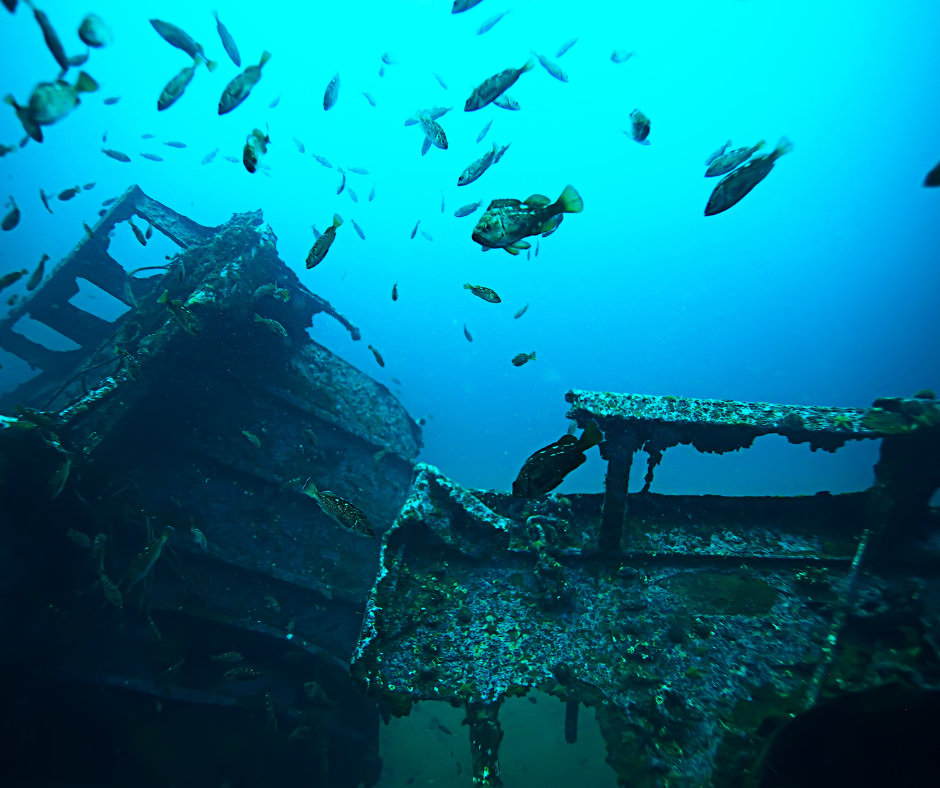
While the famous Nuestra Señora de Atocha (found off the Keys and valued at over $400 million) often steals the spotlight, the 1715 Fleet represents a vast, fragmented underwater treasure site that continues to yield incredible finds. Today, the most active treasure hunter is not a deep-sea diver, but the relentless, powerful force of nature: coastal erosion. As the sands shift, centuries-old secrets are literally washing ashore, exposing the rich history buried beneath the waves.
The $100 Million Legacy: The 1715 Spanish Plate Fleet
In the early morning hours of July 31, 1715, a hurricane decimated a Spanish convoy traveling from Havana to Spain. The lost cargo included millions of silver reales (known as “pieces of eight”), gold escudos, and exquisite jewelry collected from the New World colonies.
The Original Value: The registered treasure lost in the 1715 hurricane was officially valued at 14 million pesos.
The Modern Recovery: Though much has been recovered by salvagers like Kip Wagner and Brent Brisben’s 1715 Fleet – Queens Jewels, LLC, experts estimate that a substantial portion of the original treasure remains scattered across the coastline, potentially worth over $100 million more.
Recent Finds: Even today, salvage operations along the Treasure Coast routinely pull up thousands of silver coins and gold artifacts, demonstrating the wealth still resting just offshore.
🌊 The Unexpected Treasure Hunter: Coastal Erosion
Beach erosion, driven by severe weather events, changing sea levels, and aggressive storm surges, is often viewed as a threat to coastal communities. However, on the Treasure Coast, erosion acts as an archaeological excavator, temporarily clearing away the protective layer of sand that has buried artifacts for three centuries.
How Erosion Uncovers History:
Sand Scouring: Strong hurricanes and nor’easters scour the seabed and shoreline, temporarily removing the heavy blankets of sand that conceal the large ballast piles and bronze cannons that mark a wreck site.
Artifact Wash-Up: Silver coins, often blackened by time, are frequently found on the beach itself after a major storm or during periods of extreme low tide. These loose artifacts are shifted by the heavy waves and deposited on the high-water line.
Visible Structures: Extreme erosion has, in the past, temporarily exposed large sections of the wooden hulls and iron remains of the wrecked vessels, offering historians a narrow window for study.
This unique relationship means that periods of intense coastal volatility are often directly linked to renewed interest and success in treasure hunting along Indian River, St. Lucie, and Martin Counties.
🔍 Where the Real Treasure Lies Today
The greatest treasure of the 1715 Fleet is no longer just the gold, but the archaeological and historical value the artifacts hold—and the cultural identity they have given the region.
| Location & Focus | Significance Today | What You Might Find |
| Douglass Beach (Vero Beach) | A key site of the original 1715 fleet finds, and a major area for modern-day salvage. | “Pieces of Eight” (silver coins), gold escudos, and pottery shards. |
| McLarty Treasure Museum (Vero Beach) | Located near the actual survivors’ camp from 1715. It houses and preserves some of the most significant finds. | The preserved history and context of the treasure hunters and the disaster itself. |
| The Beaches Themselves | The only location where individual citizens can legally find treasure (defined as surface finds on public land). | Single silver coins, ballast stones, or other small artifacts exposed by waves. |
Conclusion: The Unending Hunt
The $100 million in potential treasure still resting beneath the shifting sands of the Treasure Coast ensures that the hunt will never truly end. Coastal erosion, a powerful but destructive force, remains the unlikely partner to modern treasure hunters, constantly revealing and reburying pieces of the 18th-century Spanish Empire.
For locals, the legacy of the 1715 Fleet is an inseparable part of the Florida coast’s identity. Whether you are a dedicated history enthusiast or simply a beach walker after a storm, the chance of literally stumbling upon a 300-year-old “piece of eight” makes every walk along the sand an exciting moment of genuine historical discovery.