
The Treasure Coast of Florida is internationally famous for its sea turtle nesting beaches, but beneath the surface of everyday life—in the yards, scrub patches, and canals of Port St. Lucie and Stuart—lives a surprising array of endangered and threatened species. While we are quick to notice major conservation efforts, many of Florida’s most vulnerable creatures are often the ones we see every day, whose survival is silently impacted by every new development and construction project.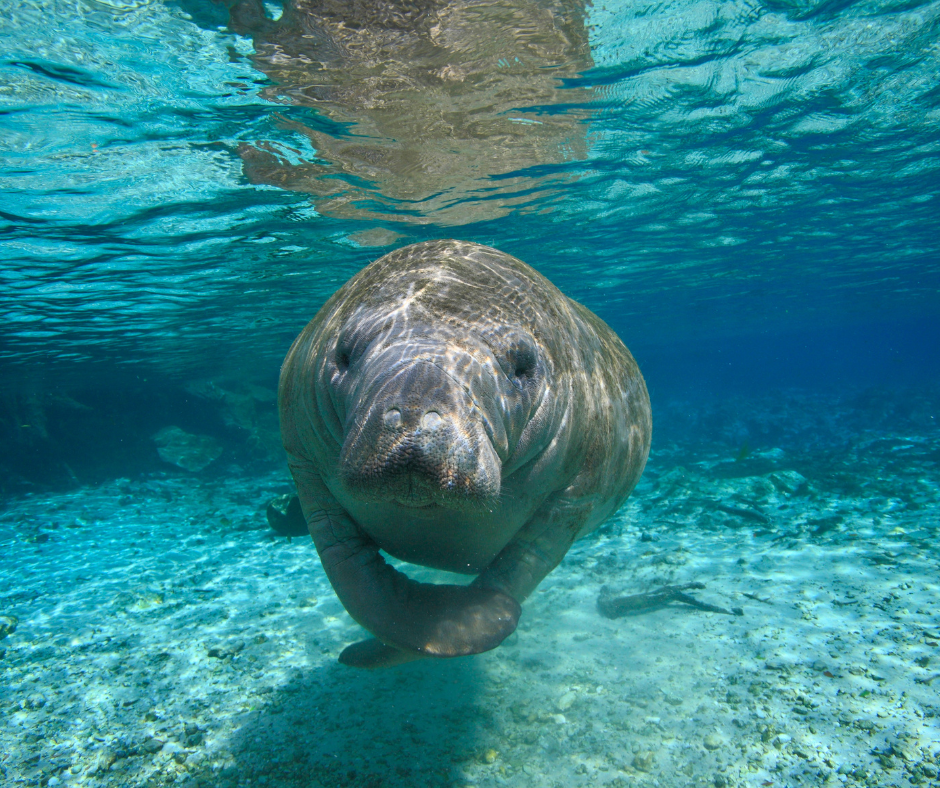
Understanding these common yet critical species shifts the local conservation narrative from distant, abstract issues to one of immediate local responsibility. Here is a look at the endangered or threatened Florida species you might encounter today, and the critical role Treasure Coast development plays in their uncertain future.
The Unseen Neighbors: Threatened Species in Your Backyard
While the Florida Panther gets the headlines, these species, which occupy the same spaces we are developing, are often the true indicators of the ecosystem’s health.
| Species Name | Status & Habitat | Development Impact |
| Gopher Tortoise | Threatened. Found in dry, sandy uplands (scrub and pine flatwoods), including many undeveloped lots near housing. | Habitat Loss & Fragmentation: Their burrows are destroyed during land clearing, and they are often struck by vehicles when crossing roads to find new habitat. |
| Florida Scrub-Jay | Threatened. An endemic bird that lives only in the highly specific Florida scrub-oak habitat, found in pockets of Martin and St. Lucie Counties. | Total Habitat Eradication: This species cannot adapt to new environments; land clearing for new subdivisions means permanent, non-recoverable loss of their specific habitat. |
| Eastern Indigo Snake | Threatened. The largest native snake in North America, often found near Gopher Tortoise burrows, which it uses for shelter during winter. | Indirect Loss: The snake is often hit by cars and suffers when the Gopher Tortoise habitat is lost, as they are dependent on those burrows. |
| Southeastern Beach Mouse | Threatened/Endangered (subspecies specific to coastal dunes). Found in the dune systems along Hutchinson Island and barrier islands. | Dune Erosion & Coastal Construction: Hardening of the coastline (sea walls, major beach construction) destroys their primary food source and shelter. |
| Manatee (Florida) | Threatened. Found in the Indian River Lagoon and St. Lucie River estuaries, often near warm water discharge areas in winter. | Habitat Degradation & Boat Strikes: Loss of seagrass beds (due to nutrient pollution/algal blooms) and increased boat traffic in manatee protection zones. |
🚧 The Development Dilemma: Paving Over Paradise
Treasure Coast development, driven by relentless migration to South Florida, is the single greatest immediate threat to these common but vulnerable species.
Fragmenting Green Corridors: New construction, especially the rapid expansion in western Port St. Lucie, breaks up larger, continuous patches of natural habitat into small, isolated islands. This prevents species like the Gopher Tortoise and Eastern Indigo Snake from safely moving to find food and mates.
Increased Mortality: Every new mile of road increases the risk of road mortality. The slow movement of tortoises and snakes makes them highly vulnerable to increased traffic on newly built access roads.
Pressure on Local Resources: The demand for new residential and commercial space requires clear-cutting of vital scrub habitat—the unique home of the Florida Scrub-Jay. Once this habitat is paved, it is essentially lost forever for the endemic species that depend on it.
📜 Conservation and Accountability
Local developers and counties in the Treasure Coast are required to mitigate some impacts, primarily through Gopher Tortoise relocation programs. However, these measures are often a reactive response to habitat destruction rather than a proactive defense of the ecosystem.
Tortoise Relocation: While necessary, relocating tortoises to distant recipient sites can still subject them to stress and competition with existing tortoise populations.
The Power of Local Zoning: The most effective conservation happens when local municipalities in St. Lucie and Martin County prioritize zoning to protect large, contiguous tracts of quality scrub habitat before they are targeted for development.
Conclusion: Conservation Starts in the Backyard
The fate of these everyday threatened species—from the Gopher Tortoise digging its burrow to the Scrub-Jay calling from its oak perch—is directly tied to the choices made regarding Treasure Coast development.
For residents and homeowners, recognizing the Eastern Indigo Snake and Gopher Tortoise not as nuisances but as vital, protected neighbors is the first step toward conservation. The pressure to build must be balanced with strict, proactive habitat protection to ensure that the unique, everyday wildlife of the Treasure Coast survives the rapid growth transforming the Florida landscape.