
The relentless growth of the Treasure Coast has brought with it an unavoidable consequence: daily, frustrating traffic congestion. While the opening of the Crosstown Parkway Bridge in Port St. Lucie provided welcome relief to central corridors, several key roadways—particularly Port St. Lucie Boulevard, Gatlin Boulevard, and the intersections along US-1—remain notorious choke points.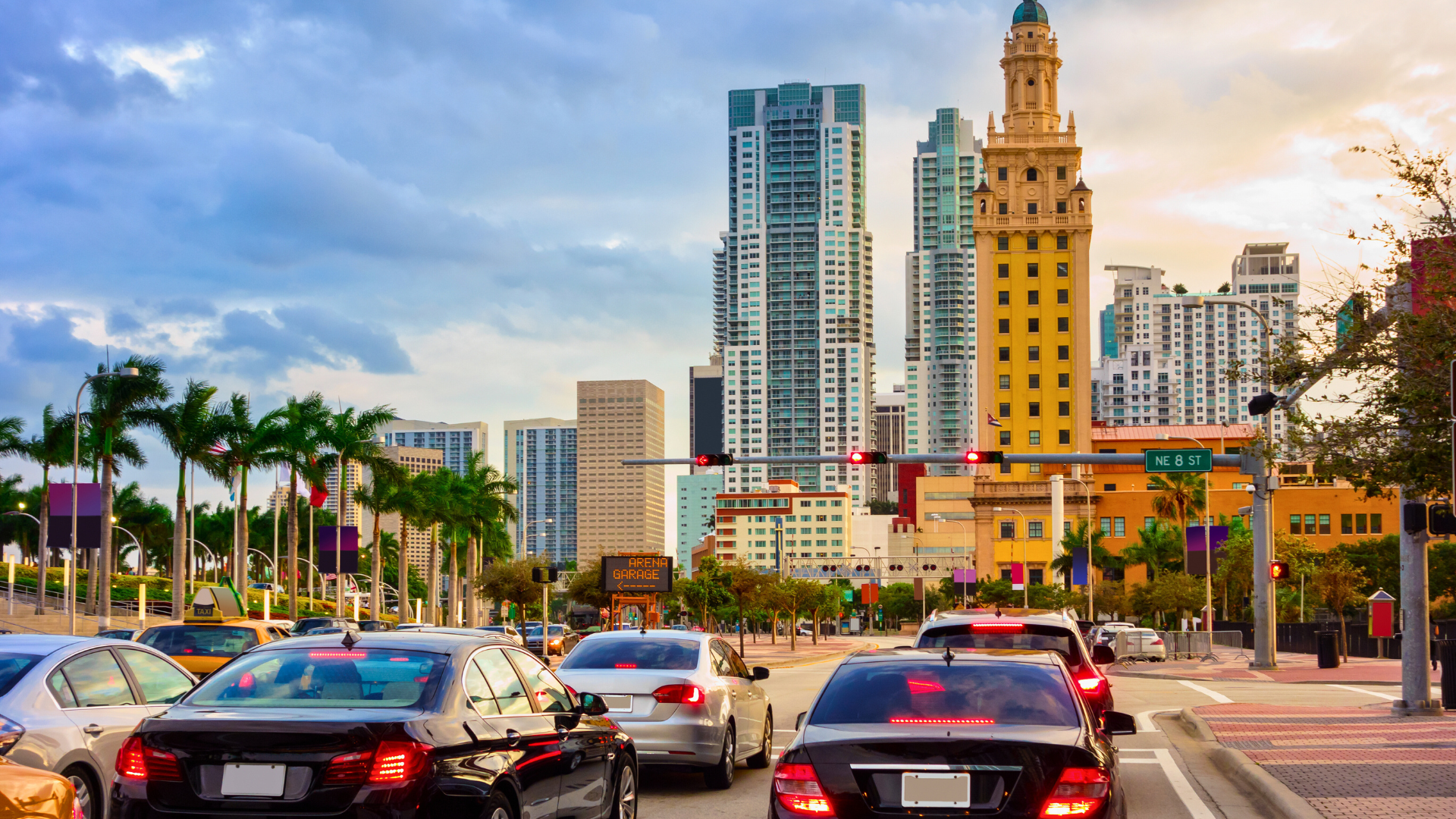
For thousands of residents in St. Lucie County, the daily commute is a major headache. This article takes a “day in the life” look at one of the area’s most problematic stretches, SW Port St. Lucie Boulevard, and details the multi-million dollar, multi-phase projects currently underway by local government and the FDOT to actually solve the problem.
A Day in the Life: The SW Port St. Lucie Boulevard Choke Point
The southern segment of Port St. Lucie Boulevard (PSL Blvd), particularly the section between Gatlin Boulevard and Paar Drive, has long been a nightmare for commuters.
7:30 AM (Morning Peak): Traffic volumes swell as residents living south and west of the city head toward work centers and access points for I-95 and US-1. What should be a five-minute drive can easily become a twenty-minute crawl. The two-lane roadway capacity simply fails to handle the volume from the rapidly developing residential areas, forcing long queues at critical intersections.
12:00 PM (Midday Flow): Even outside of peak hours, the area experiences high volumes due to local commerce, school pickups, and access to shopping centers. Insufficient turning lanes exacerbate delays, causing mainline traffic to back up significantly while waiting for left-turning vehicles.
5:00 PM (Afternoon Peak): The worst of the congestion hits as commuters return. The stretch often functions at a Level of Service (LOS) grade of E or F—meaning severe delays and heavy backup—leading to commuter stress, increased emissions, and a higher risk of accidents, especially at intersections like Alcantarra Boulevard.
The Fix: St. Lucie County’s Multi-Phase Solutions
Local government agencies, recognizing the necessity of action, are aggressively pursuing long-term, structural solutions rather than temporary fixes. The City of Port St. Lucie and FDOT have partnered on a massive, multi-phase effort to reconstruct and widen the southern portion of PSL Boulevard.
List of Key Traffic Solutions Underway:
Road Widening and Expansion:
Project Goal: To expand the southern segment of Port St. Lucie Boulevard from its current two-lane undivided roadway to a four-lane divided roadway. This fundamental increase in capacity is designed to significantly improve traffic flow and safety for decades.
Smart Intersection Upgrades:
New Signals: Installation of new signalized intersections at key points like SW Alcantarra Boulevard and SW Tulip Boulevard.
Adaptive Traffic Signals: Implementation of Intelligent Transportation Systems (ITS) and fiber optic networks to enable adaptive signal control. These systems use real-time traffic data (from sensors and cameras) to dynamically adjust light timing, improving flow without human intervention.
Complete Streets Elements:
Enhanced Mobility: The project incorporates “Complete Street” design, ensuring mobility for all users, not just cars. This includes expanding sidewalks (often to 8 or 10 feet wide) and upgrading crosswalks to modern ADA standards.
Dedicated Turn Lanes: Adding and extending dedicated left and right turn lanes at congested intersections (like at Gatlin Boulevard and Paar Drive) to prevent turning vehicles from impeding the main traffic flow.
Muck and Stormwater Management:
New Drainage Systems: The road widening requires the installation of new, closed drainage systems and baffle boxes to manage stormwater runoff. While primarily for water quality control (protecting the St. Lucie River/IRL), this infrastructure is critical for the long-term integrity of the road structure itself.
Funding and Partnerships:
The project is heavily funded through a combination of local dollars, the FDOT (Florida Department of Transportation), and major grants like the Transportation Regional Incentive Program (TRIP). This public-private funding model is essential to tackle projects costing tens of millions of dollars.
Conclusion: The Pain of Progress for Long-Term Relief
The current state of Port St. Lucie traffic is a painful example of growth outpacing infrastructure. The irony is that the construction to fix the problem temporarily worsens the congestion, making life difficult for commuters.
However, the aggressive widening of Port St. Lucie Boulevard, coupled with the implementation of Intelligent Transportation Systems and crucial intersection improvements, demonstrates a clear commitment by St. Lucie County to build a sustainable, modern road network. These projects are not just about reducing bottlenecks; they are about improving safety, reducing commute times, and ensuring that the quality of life on the Treasure Coast remains high even as the population continues to surge. The ultimate success of these multi-year projects will be measured by shorter traffic backups and safer travels for all residents.