
The Treasure Coast is in the midst of a historic growth boom. While new residents bring vibrancy and diversity, the sheer scale of recent mega-developments, such as the master-planned communities like Wylder in Port St. Lucie, presents complex challenges for existing infrastructure. These large projects—often featuring thousands of homes—are designed to offer a complete lifestyle, but their immense size creates ripple effects that impact traffic congestion, school capacity, and local property taxes across the immediate area.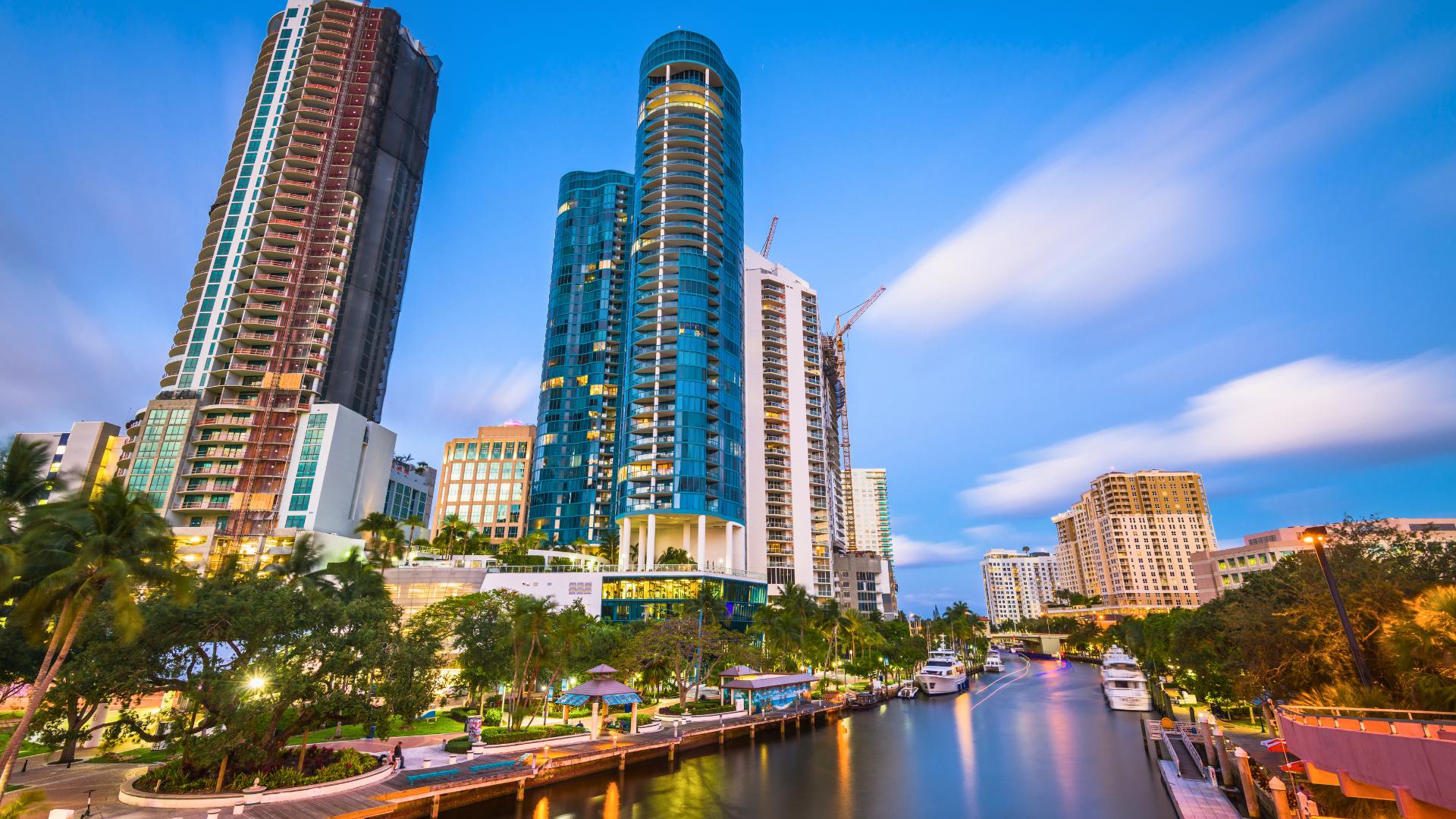
This analysis dives into the fundamental questions surrounding these developments: How will they affect your daily commute, the quality of local schools, and the long-term cost of living in the St. Lucie County area?
Key Areas of Impact: Where Mega-Developments Strain Infrastructure
A master-planned community of several thousand homes, like the planned 3,400 homes and 600 multi-family units in Wylder (Port St. Lucie), represents a significant and sudden population increase that requires extensive planning and financial commitment from local government.
1. Traffic Congestion and Roadway Capacity
The most immediate and noticeable impact of a large-scale development is the strain on the existing Treasure Coast road network.
The Problem: Many local and regional roads were designed decades ago for much lower traffic volumes.<!–> Thousands of new residents generate significant “last-mile” traffic—local trips to schools, shops, and I-95 access points. Studies in the Port St. Lucie area have estimated that future development in the western unincorporated areas could require up to hundreds of millions of dollars in roadway improvements.
–><!–>–><!–>The Solution (In Progress): Developers are required to conduct extensive Traffic Impact Analyses (TIAs) and pay mobility fees to offset the cost of their growth. For example, communities like Wylder often feature dedicated infrastructure projects, such as the widening of crucial corridors like Midway Road and the construction of new internal parkways (like Wylder Parkway), to handle the volume and improve regional access, often with developer contributions.
–><!–>–><!–>
2. School Capacity and Educational Funding
Rapid residential growth introduces thousands of new students, immediately impacting the capacity and resources of the St. Lucie County School District.
The Problem: School districts rely heavily on property taxes and state funding formulas.–> While new homes add to the tax base, residential development often has a negative fiscal impact on schools, meaning the cost of educating new students (hiring teachers, buying resources) outweighs the initial new property tax revenue generated. This leads to overcrowded classrooms and the need for new school construction.
The Solution (Long-Term): Many large-scale developers mitigate this impact by dedicating land for future public facilities.<!–> Wylder, for example, has donated a 53-acre site for a future public high school, planned for 2,500 students.–> This move provides a crucial, long-term solution to relieve crowding at existing schools (like Treasure Coast High School) by the expected opening date (around 2030).
3. Property Taxes and Fiscal Impact
The ultimate financial effect on current residents is complex, involving the balance between new revenues and new service costs.
The Revenue Side: New homes add new properties to the local tax rolls, increasing the overall ad-valorem tax base. Master-planned communities often generate millions in annual property taxes at full build-out, which contributes to funding local services (police, fire, parks).
The Cost Side (The Controversy): If a development occurs outside of the city limits (in unincorporated county land), the nearby municipality (like Port St. Lucie) may not receive any property tax revenue or impact fees to offset the cost of new infrastructure (roads, police patrols, park maintenance) used by the new residents.<!–> This financial burden, which can be millions, often falls on existing city taxpayers.
–><!–>–><!–>The Role of Impact Fees: Local governments in Florida rely on impact fees—one-time charges collected from developers—to offset the cost of new growth.–> These fees ensure the developers, not existing taxpayers, pay for new roads, parks, and emergency services necessitated by the project.
Conclusion: Managing Growth for a Sustainable Treasure Coast
The approval of mega-developments like Wylder signals the inevitable future of the Treasure Coast economy: sustained, rapid population growth. The core challenge for local governance is ensuring that the pace of infrastructure development—roads, schools, and water systems—keeps pace with the residential boom.
The key to a positive outcome lies in rigorous planning: demanding high impact fees from developers, securing dedicated land for public amenities, and strategically collaborating between city and county governments on regional infrastructure needs. For residents, understanding the financial and physical impacts of these large-scale projects is essential for advocating for sustainable, high-quality community growth.
Are the current developer contributions enough to cover the strain on our local schools and roads? This is the central question that will define the quality of life on the Treasure Coast for the next decade.