
For homeowners on the Treasure Coast, the attic is often a forgotten oven, a super-heated space that silently drives up energy bills and makes your home’s air conditioner work overtime. In a humid climate, a poorly ventilated attic can reach temperatures of 150°F or more, radiating heat into your living spaces and creating a vicious cycle of discomfort and high electricity costs.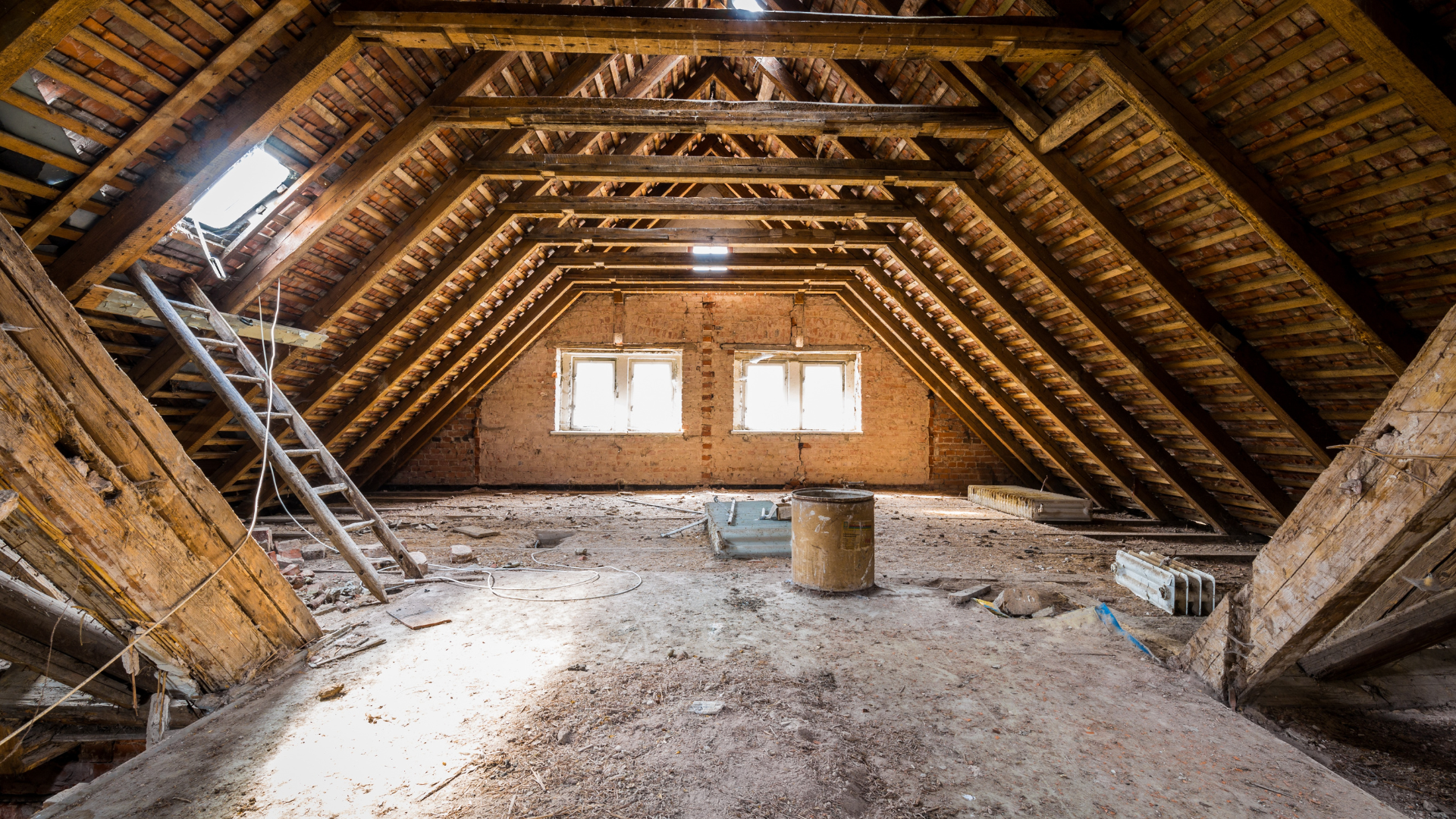
But you don’t need a professional to fight back. With a few simple, strategic DIY attic ventilation hacks, you can dramatically boost airflow, lower attic temperatures, and unlock significant energy savings. This article is your guide to turning that heat trap into a more breathable, efficient space, making your home a cool oasis all year round.
Your DIY Guide to Beating the Heat: 3 Essential Hacks
Ready to tackle the heat? Here are three actionable and effective hacks to improve your attic’s ventilation and lower your energy costs.
1. The Power of Airflow: Check and Clear Your Vents
The Concept: A ventilation system needs a clear path for air to enter (intake) and exit (exhaust). In many homes, these vents are blocked, rendering them useless.
The DIY Fix:
- Check Soffit Vents (Intake): These are located under the eaves of your roof. Go into your attic and look for blockages. In many older homes, insulation is pushed right up against the soffit, blocking the intake. Use an insulation baffle (a low-cost plastic or foam channel) to create a clear path for air to flow from the soffit to the attic space.
- Clear Exhaust Vents: Go outside and check your roof vents. Make sure they aren’t clogged with debris, leaves, or a bird’s nest.
- Impact: This is the most basic and often overlooked step. By simply ensuring your existing system is working, you can immediately begin to move hot air out of the attic.
2. Power Up with an Attic Fan
The Concept: Natural ventilation is great, but a mechanical fan can move air more aggressively, especially on hot days with no breeze.
The DIY Fix:
- Install a Solar-Powered Attic Fan: This is a fantastic, zero-cost-to-operate solution. These fans are easy to install, requiring no electrical wiring. They turn on automatically when the sun hits the panel, pulling hot air out of your attic and pushing it outside.
- Install a Gable Fan: If you have gable vents (the louvered vents on the side of your attic), you can install an electric fan directly behind one. These are inexpensive and can be wired to a thermostat, turning on automatically when the attic temperature reaches a certain point (e.g., 100°F).
- Impact: Powering up your airflow with a fan can drop your attic temperature by up to 50°F, significantly reducing the heat load on your air conditioner and leading to big energy savings.
3. Seal & Reflect: Two Key Strategies
The Concept: Your attic is not just a heat trap; it’s also an air leak. Sealing leaks prevents cool, conditioned air from escaping, while a radiant barrier reflects heat away from your home.
The DIY Fix:
- Air Sealing: Get into your attic and look for any holes or gaps in the floor. Pay close attention to penetrations from recessed lights, plumbing pipes, and electrical wires. Use expanding foam or fire-resistant caulk to seal all of these gaps. This simple step stops expensive cool air from escaping your living space and prevents humid attic air from being drawn into your home.
- Radiant Barrier: A radiant barrier is a thin, reflective material (like foil) that you staple to the underside of your roof rafters. It works by reflecting radiant heat away from the attic, a highly effective way to reduce the attic temperature in the summer. This is a more involved DIY project but the payback in energy savings can be substantial.
- Impact: Combining these two hacks works from both ends: sealing prevents air from escaping, and reflecting heat prevents your attic from getting so hot in the first place.
Conclusion: Your Cooler, More Efficient Home Awaits
The fight against the Treasure Coast heat is a year-round reality for homeowners, but it doesn’t have to break the bank. By implementing these simple DIY attic ventilation hacks, you can make a huge impact on your home’s comfort and efficiency. From ensuring your vents are clear to adding a solar-powered fan and air sealing the attic floor, each step contributes to a cooler, healthier, and more cost-effective living environment. Take control of your home’s climate today and enjoy the peace of mind that comes with a lower energy bill and a more comfortable living space.