
A ceiling fan is more than just a home accessory; it’s a powerful tool for comfort and energy savings. By circulating air, a fan can make a room feel up to 10 degrees cooler, allowing you to raise your thermostat and significantly reduce your electricity bill. While professional installation is always an option, becoming Ceiling Fan Savvy by mastering a few simple DIY installation and maintenance techniques can empower you to improve your home’s comfort and efficiency on your own terms.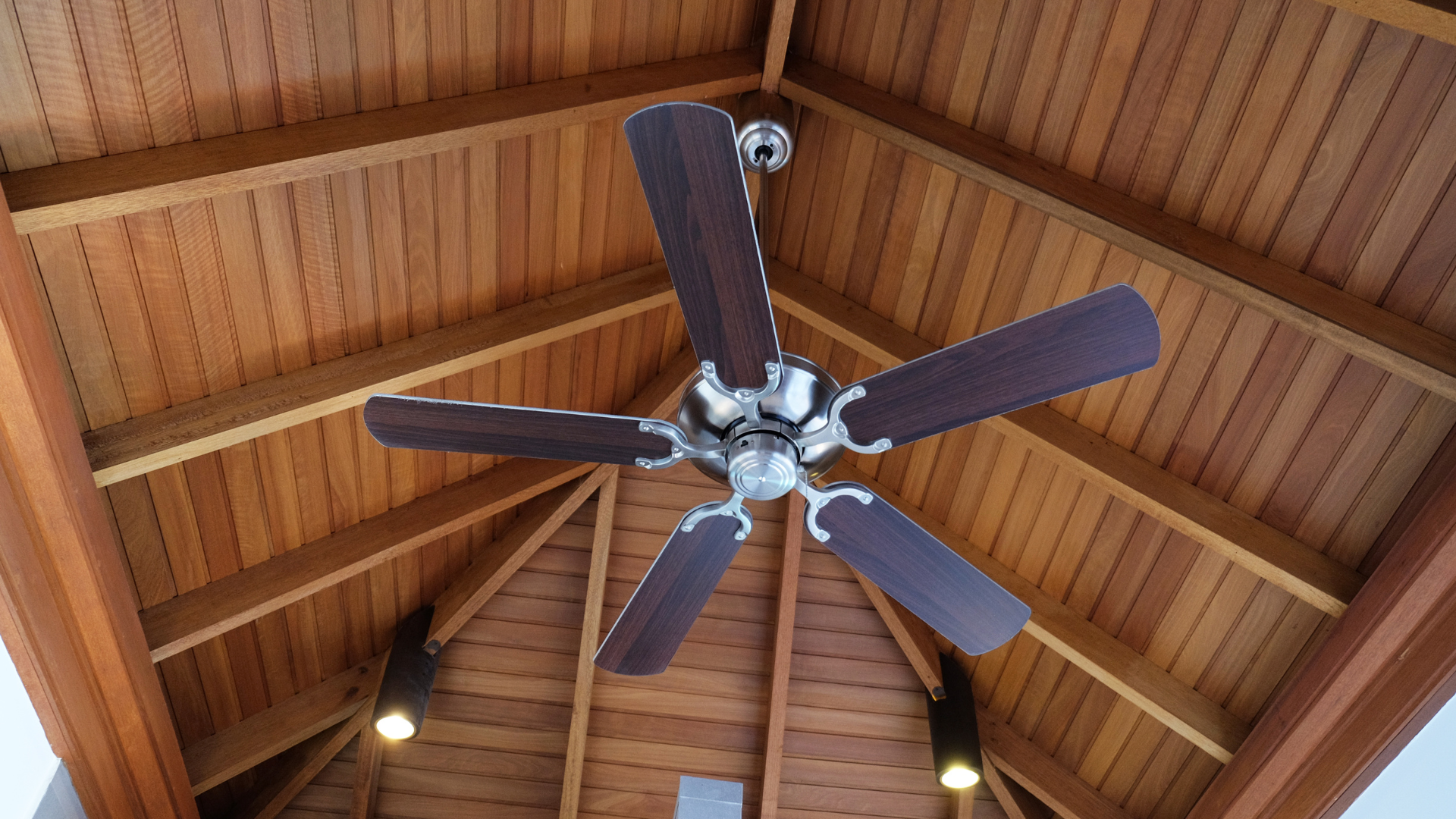
This guide will walk you through the essential steps to safely install a new fan and keep it running at peak performance. By understanding the basics of choosing the right fan, ensuring a secure setup, and performing a few simple maintenance tricks, you can enjoy a perfectly cooled room and watch your energy savings grow.
Your DIY Guide to Ceiling Fan Installation & Maintenance
Ready to tackle this project? Here’s a step-by-step breakdown to ensure a safe, efficient, and wobble-free experience.
1. Pre-Installation: Choosing the Right Fan for Your Space
The most crucial step is selecting a fan that is the right size for your room. A fan that is too small won’t move enough air, while one that is too large can create an uncomfortable draft.
Measure Your Room:
For rooms up to 75 sq. ft. (e.g., small bathrooms, walk-in closets), choose a fan with a diameter of 29-36 inches.
For rooms 76-144 sq. ft. (e.g., standard bedrooms, dining areas), a 36-42 inch fan is ideal.
For large rooms 144-225 sq. ft. (e.g., large bedrooms), a 44-inch fan is recommended.
For spaces larger than 225 sq. ft. (e.g., living rooms, open-concept areas), a fan of 50-54 inches or more is needed.
Check the Ceiling Box: Before you buy, ensure the electrical box in your ceiling is fan-rated. Unlike a standard light fixture, a ceiling fan is heavy and moves. A fan-rated box is designed to safely support the fan’s weight and motion. If your box isn’t fan-rated, you’ll need to replace it.
2. DIY Installation: Safety, Wiring, and Mounting
Safety First: Turn off the power to the room at the circuit breaker. It is essential to use a non-contact voltage tester to confirm the wires are completely dead before you touch them.
Mounting the Bracket: After removing the old fixture, install the new fan’s mounting bracket. This bracket attaches to the fan-rated electrical box. Make sure it’s securely fastened, as it will hold the entire weight of your fan.
Wiring Your Fan: Ceiling fan wiring is typically color-coded. While you should always follow the manufacturer’s instructions, a common scheme is:
White (Neutral) fan wire to the White ceiling wire.
Black (Hot/Power) fan wire to the Black ceiling wire.
Ground (Green or Bare Copper) fan wire to the Ground ceiling wire.
Use wire nuts to create tight, secure connections.
Assembly: After wiring, hang the fan body on the mounting bracket’s hook (a feature of most modern fans). This frees up your hands to make the final wiring connections and securely attach the fan to the bracket.
3. Maintenance for Optimal Performance & Efficiency
Once your fan is installed, a little routine maintenance goes a long way.
Seasonal Direction Change: This is a crucial trick for maximizing comfort and energy savings.
Summer: The blades should spin counter-clockwise. This pushes cool air down, creating a breeze that makes you feel cooler.
Winter: The blades should spin clockwise. This draws cool air up, pushing warm air (which rises to the ceiling) down the walls to circulate throughout the room.
Regular Cleaning: Dust buildup on fan blades can decrease efficiency and cause an annoying wobble. A simple dusting with a long-handled duster or a damp cloth once a month will keep your fan running smoothly.
Blade Balancing: If your fan wobbles, it could be out of balance. A balancing kit can be used to add small weights to the blades, eliminating the wobble and reducing strain on the motor. Check that all screws are securely fastened before you try to balance the blades.
Conclusion: Enjoy a Cooler Home and Lower Bills
By becoming Ceiling Fan Savvy, you gain the ability to significantly improve your home’s comfort and lower your energy costs. From the initial DIY installation to simple, seasonal maintenance, each step is an investment in your home’s efficiency. With the right knowledge and a few basic tools, you can confidently take on this project and enjoy a perfectly cooled room, all while keeping your electricity bill in check. It’s an easy, rewarding, and effective way to take control of your home’s climate.