
The lanai, a distinctive feature of homes in tropical and subtropical climates, has evolved far beyond its humble origins as a simple covered porch. From its roots in traditional Hawaiian architecture, this essential outdoor living space has transformed into a sophisticated extension of the home, meticulously designed for optimal comfort and rigorous pest control in warm, humid environments. As homeowners seek to seamlessly blend indoor and outdoor living, especially in regions like the Philippines, modern lanai design has become a fascinating study in form meeting function.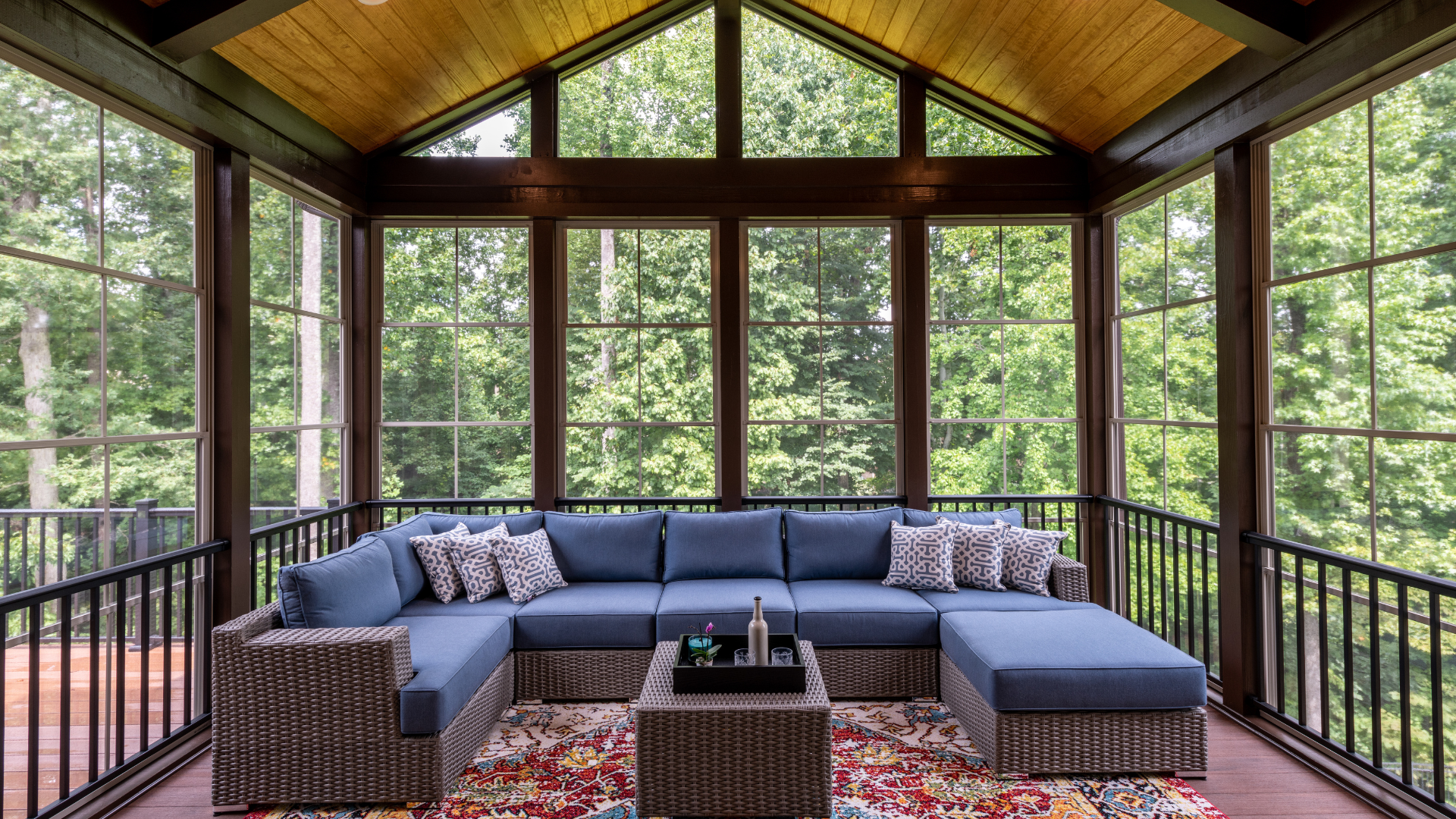
The tropical climate presents unique challenges: intense sun, heavy rains, high humidity, and a persistent array of insects – from mosquitoes carrying diseases to common flies and crawling pests. Early lanais provided basic shelter, but today’s iterations are engineered to combat these elements, ensuring year-round enjoyment.<!–> This evolution is driven by advancements in materials, construction techniques, and a deeper understanding of creating truly integrated outdoor rooms. For Filipino homes and others in similar climates, the lanai isn’t just an add-on; it’s a vital component for maximizing livable space and embracing the natural surroundings without compromising on comfort or health.
The Modern Lanai: A Fusion of Comfort and Control in Tropical Living
Here’s how contemporary lanai design addresses comfort and pest control, creating highly desirable outdoor spaces:
Advanced Screening Technologies:
- Micro-Mesh Screens: Moving beyond standard fiberglass, modern lanais often feature ultra-fine mesh screens designed to keep out even the tiniest “no-see-ums” and gnats, alongside mosquitoes. These screens offer superior pest exclusion without significantly obstructing views.
- Durable & UV-Resistant Materials: Screens are now made from materials like vinyl-coated polyester or even specialized aluminum, which are highly resistant to UV degradation, salt air corrosion (crucial for coastal areas), and tearing from pets or general wear. This ensures longevity and consistent pest barriers.
- Retractable & Motorized Screens: For ultimate flexibility, high-tech lanais incorporate motorized screens that can retract into the ceiling or wall with the push of a button. This allows residents to enjoy an open-air experience when pests are minimal, then quickly enclose the space for protection, privacy, or shade. These often integrate with smart home systems.
- Keywords: micro-mesh screens, no-see-um screens, retractable lanai screens, motorized patio screens, durable screen materials, UV-resistant screens.
Optimized Airflow and Climate Control:
- Strategic Fan Placement: Ceiling fans are almost ubiquitous in modern lanais, providing essential air circulation to combat humidity and create a cooling breeze, making the space more comfortable even on hot days. They also help deter flying insects.
- Ventilation Design: Beyond just screens, architects design lanais to maximize natural cross-ventilation, ensuring a constant flow of fresh air.–> This is crucial for comfort and preventing stagnant, humid air.
- Shading Solutions: While roofs are standard, additional shading options like adjustable louvered roofs, pergolas with retractable canopies, or even integrated privacy screens can provide customizable shade throughout the day, reducing heat gain and glare.
- Keywords: lanai ceiling fans, tropical patio cooling, outdoor ventilation, shaded lanai design, climate-controlled porch.
Integrated Pest Management Strategies:
- Sealed Enclosures: Beyond just the screen material, the framing and installation are crucial. Modern lanai designs focus on sealing all gaps, ensuring tight fits around doors, windows, and structural elements to prevent pest entry.
- Insect-Repelling Plants: Incorporating specific plants known for their natural insect-repelling properties (e.g., citronella, lemongrass, basil, marigolds) in planters around the lanai can provide an additional layer of defense and aesthetic appeal.
- Smart Lighting Choices: Warm-toned LED lighting is preferred over cooler-toned lights, as the latter tends to attract more insects. Some systems even include bug-zapping features or specific wavelengths designed to deter pests.
- Keywords: pest-proof lanai, insect control porch, sealed screened enclosure, natural insect repellents, bug-repelling plants, outdoor lighting for pests.
Comfort-Enhancing Features:
- Durable, All-Weather Furnishings: Investing in outdoor furniture made from materials like marine-grade polymers, treated wicker, or aluminum with quick-drying cushions ensures longevity and comfort in humid conditions.
- Outdoor Kitchens & Bars: Many contemporary lanais integrate full outdoor kitchens, dining areas, and wet bars, making them true extensions of the home for entertaining.
- Flooring Choices: Non-slip, mold-resistant flooring materials like porcelain tile, natural stone pavers, or treated concrete are common, providing durability and ease of maintenance.
- Keywords: outdoor living space, tropical home design, lanai amenities, all-weather furniture, outdoor kitchens, seamless indoor-outdoor living.
Conclusion:
The lanai has undergone a remarkable evolution, transforming from a simple covered area into a sophisticated, multi-functional outdoor room essential for tropical living. In places like the Philippines and other humid climates, designing these screened-in porches for optimal comfort and effective pest control is no longer a luxury but a necessity. By integrating advanced screening technologies, intelligent climate control solutions, proactive pest management, and luxurious comfort features, modern lanais offer homeowners the perfect sanctuary to embrace the beauty of the outdoors without the common inconveniences. This evolution ensures that the lanai will continue to be a cherished and integral part of the tropical home design, providing a comfortable, bug-free, and beautiful extension of daily life.