
Florida’s iconic landscape was once synonymous with endless rows of fragrant citrus trees. However, as the citrus industry faces various challenges, vast expanses of former agricultural land, particularly in Western St. Lucie County, are undergoing a dramatic transformation. These once-productive citrus groves are now being repurposed into innovative and unique residential developments, shaping the future of Florida real estate and offering new lifestyle opportunities for homebuyers. This article explores how developers are turning fallow fields into thriving communities, redefining the concept of living in the Sunshine State.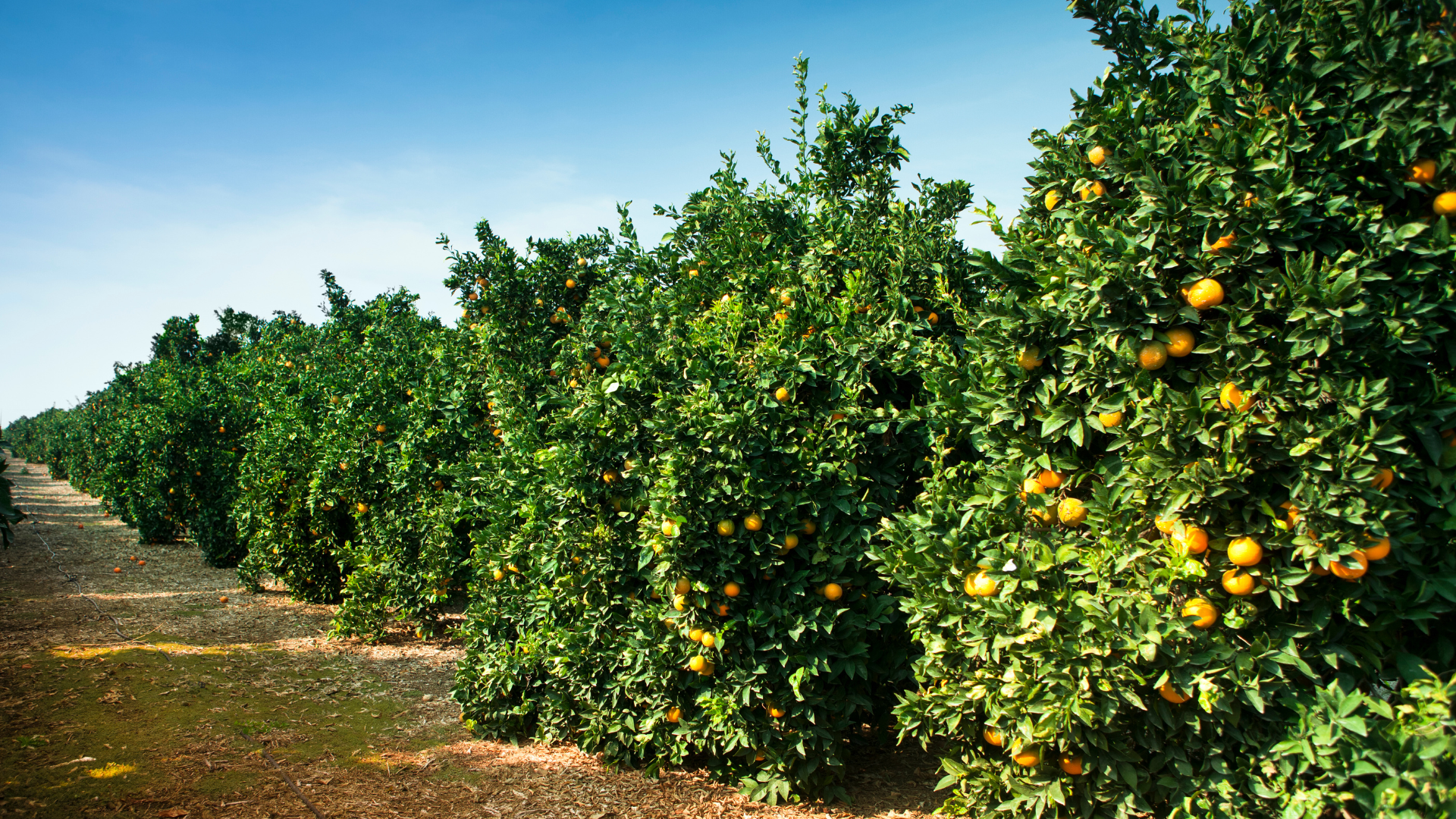
The decline of traditional citrus farming has created a significant land inventory in regions like Western St. Lucie County. Rather than remaining dormant, these expansive tracts are becoming canvases for thoughtful and diverse housing projects. This shift represents more than just land conversion; it’s a strategic response to population growth, changing lifestyle preferences, and a desire for communities that integrate green spaces, modern amenities, and a connection to Florida’s natural heritage. The result is a new breed of residential development that stands apart from conventional suburban sprawl.
From Groves to Gardens: Innovative Residential Developments in Western St. Lucie County:
Here’s a look at the types of unique residential developments emerging on former citrus grove land and what makes them appealing:
Master-Planned Communities with Expansive Green Spaces:
- Concept: Large-scale developments that prioritize open areas, parks, nature preserves, and often incorporate walking and biking trails. They design communities around existing natural features or create new ones.
- Appeal: Offers residents a sense of spaciousness, access to outdoor recreation, and a break from dense urban environments. These often come with extensive amenities like clubhouses, pools, and sports facilities.
- Keywords: St. Lucie County master-planned communities, green development Florida, large lot homes, sustainable growth.
Agrihoods & Farm-to-Table Communities:
- Concept: A modern take on rural living, these communities integrate working farms or community gardens directly into the residential landscape. Residents can participate in farming, enjoy fresh produce, and connect with their food source.
- Appeal: Caters to those seeking a healthier, more sustainable lifestyle, a sense of community, and a unique amenity. It’s a direct nod to the land’s agricultural past.
- Keywords: Agrihoods Florida, farm-to-table living, sustainable communities, St. Lucie County farms, rural living Florida.
Equestrian Communities:
- Concept: Leveraging the large acreage of former groves, developers are creating communities specifically designed for horse owners, featuring spacious lots, private stables, riding trails, and shared equestrian facilities.
- Appeal: Offers an unparalleled lifestyle for equestrians, providing ample space for horses and direct access to riding opportunities within their own neighborhood.
- Keywords: Equestrian properties Florida, St. Lucie County horse farms, luxury equestrian communities, rural Florida homes.
Active Adult (55+) Communities with Resort-Style Amenities:
- Concept: Designed for retirees and active adults, these communities offer a vibrant, amenity-rich lifestyle. The large land parcels allow for extensive clubhouses, golf courses, fitness centers, and diverse recreational facilities.
- Appeal: Provides a low-maintenance, engaging, and social environment for those looking to enjoy their golden years in sunny Florida, often with a focus on golf or nature.
- Keywords: 55+ communities St. Lucie County, active adult Florida, retirement communities Florida, resort-style living.
Conservation-Focused & Eco-Friendly Developments:
- Concept: These projects prioritize environmental preservation, dedicating significant portions of the land to conservation easements, wetlands restoration, or wildlife corridors. Homes may feature eco-friendly building materials and designs.
- Appeal: Attracts environmentally conscious buyers who value living in harmony with nature, seeking minimal impact and a deeper connection to Florida’s unique ecosystems.
- Keywords: Conservation development Florida, eco-friendly homes, St. Lucie County environmental, sustainable housing.
A New Chapter for Western St. Lucie County:
The transformation of vanishing citrus groves into diverse residential developments is reshaping Western St. Lucie County. This proactive approach to land use is creating communities that cater to a wide range of preferences, integrating modern living with the expansive, green backdrop of Florida’s agricultural heritage. This evolution is vital for accommodating growth while offering innovative lifestyle choices.
Conclusion:
The repurposing of former agricultural land in Western St. Lucie County signals an exciting new chapter for the region’s real estate market. By converting vanishing citrus groves into everything from sprawling master-planned communities to intimate agrihoods and equestrian havens, developers are meeting the demands of a growing population while creating unique residential developments. This strategic land conversion not only addresses housing needs but also enriches the Florida lifestyle, fostering communities that are connected to nature, offer exceptional amenities, and promise a vibrant future for this evolving part of the Treasure Coast.