
Home renovations can transform your living space and boost your property value. However, in St. Lucie County, Florida, most renovation projects require building permits to ensure safety and code compliance. Navigating the permit process can seem daunting, but understanding the requirements and steps involved can streamline your project and prevent costly delays. This guide provides essential information to help St. Lucie County homeowners successfully navigate the local building permit process.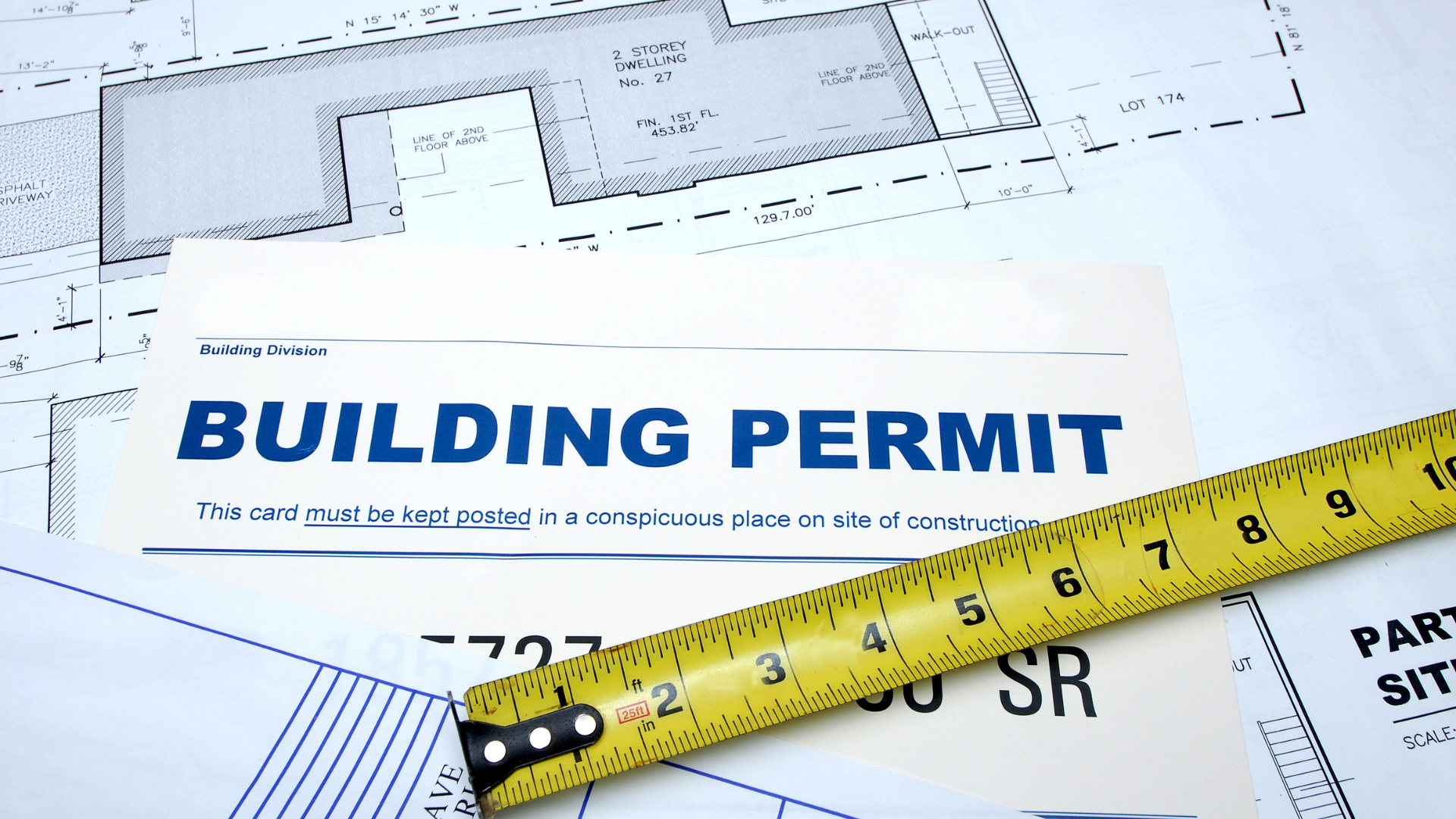
Why are Building Permits Required?
Building permits are mandatory for many home renovation projects in St. Lucie County to:
Ensure Safety: Permits ensure that construction adheres to the Florida Building Code, minimizing the risk of structural issues, fire hazards, and other dangers.
Protect Property Values: Code-compliant renovations maintain neighborhood standards and protect the overall value of properties in St. Lucie County.
Legal Compliance: Undertaking renovations without the necessary permits can result in fines, project delays, and even the need to undo completed work.
Common Renovation Projects Requiring Permits in St. Lucie County
While this is not an exhaustive list, here are some common home renovation projects in St. Lucie County that typically require building permits:
Room additions: Expanding the footprint of your home.
Structural changes: Altering load-bearing walls, foundations, or roofs.
Electrical work: Installing new wiring, circuits, or service panels.
Plumbing changes: Relocating or adding plumbing fixtures, or altering drainage systems.
HVAC modifications: Installing or replacing heating, ventilation, and air conditioning systems.
Roofing repairs or replacement: Replacing a significant portion of your roof.
Window and door replacements: In many cases, especially if it involves changing the size of the opening.
Pool construction or remodeling: Building a new pool or significantly altering an existing one.
Demolition: Demolishing any structure, even interior walls in some cases.
Fence installation: Depending on the height and location.
Shed or other accessory structure construction: Building a detached garage, shed, or other structure.
Steps to Obtain a Building Permit in St. Lucie County
The specific steps may vary depending on the project, but here’s a general outline of the process for obtaining a building permit in St. Lucie County:
Determine if a permit is required: Contact the St. Lucie County Building Department or visit their website to confirm whether your project requires a permit. You can visit the St. Lucie County website here: https://www.stlucieco.gov/departments-and-services/permitting-zoning
Prepare your application: Gather the necessary documents, which may include:
Detailed construction plans or drawings
Site plan showing the location of the proposed work
Property ownership information
Contractor information (if applicable)
Energy calculations
Product specifications
Submit your application: Submit your completed application and supporting documents to the St. Lucie County Building Department. You can submit in person or, in some cases, online.
Plan review: Building officials will review your application and plans to ensure compliance with the Florida Building Code and local ordinances. This may involve several rounds of review and revisions.
Permit issuance: Once your application is approved, you will be issued a building permit.
Inspections: During construction, you will need to schedule inspections at various stages to ensure the work is being done according to the approved plans and codes.
Final inspection and Certificate of Completion/Occupancy: Upon completion of the project, a final inspection is required. If the work passes inspection, you will receive a Certificate of Completion (for renovations) or a Certificate of Occupancy (for new construction).
Tips for a Smooth Permitting Process
Start early: Begin the permit process well in advance of your planned start date, as it can take several weeks or even months to obtain a permit.
Be thorough: Ensure your application is complete and accurate to avoid delays.
Hire qualified professionals: Consider hiring a licensed contractor, architect, or engineer to help with the design and permit process.
Communicate with the Building Department: Maintain open communication with the St. Lucie County Building Department and address any questions or concerns promptly.
Understand the Florida Building Code: Familiarize yourself with the relevant sections of the Florida Building Code to ensure your project complies.
Keep records: Maintain copies of all permits, plans, and inspection reports.
Conclusion
Navigating the building permit process is a crucial step in any home renovation project in St. Lucie County. By understanding the requirements, following the steps outlined in this guide, and working closely with local officials and qualified professionals, you can help ensure a successful and code-compliant renovation that enhances your home and protects your investment.