
Owning waterfront property along the Intracoastal Waterway is a dream for many, offering stunning views and direct access to aquatic activities. However, this privilege comes with the responsibility of maintaining the structures that protect your land and provide that access: docks and seawalls. This article provides essential information on dock and seawall maintenance, ensuring the longevity and safety of your investment.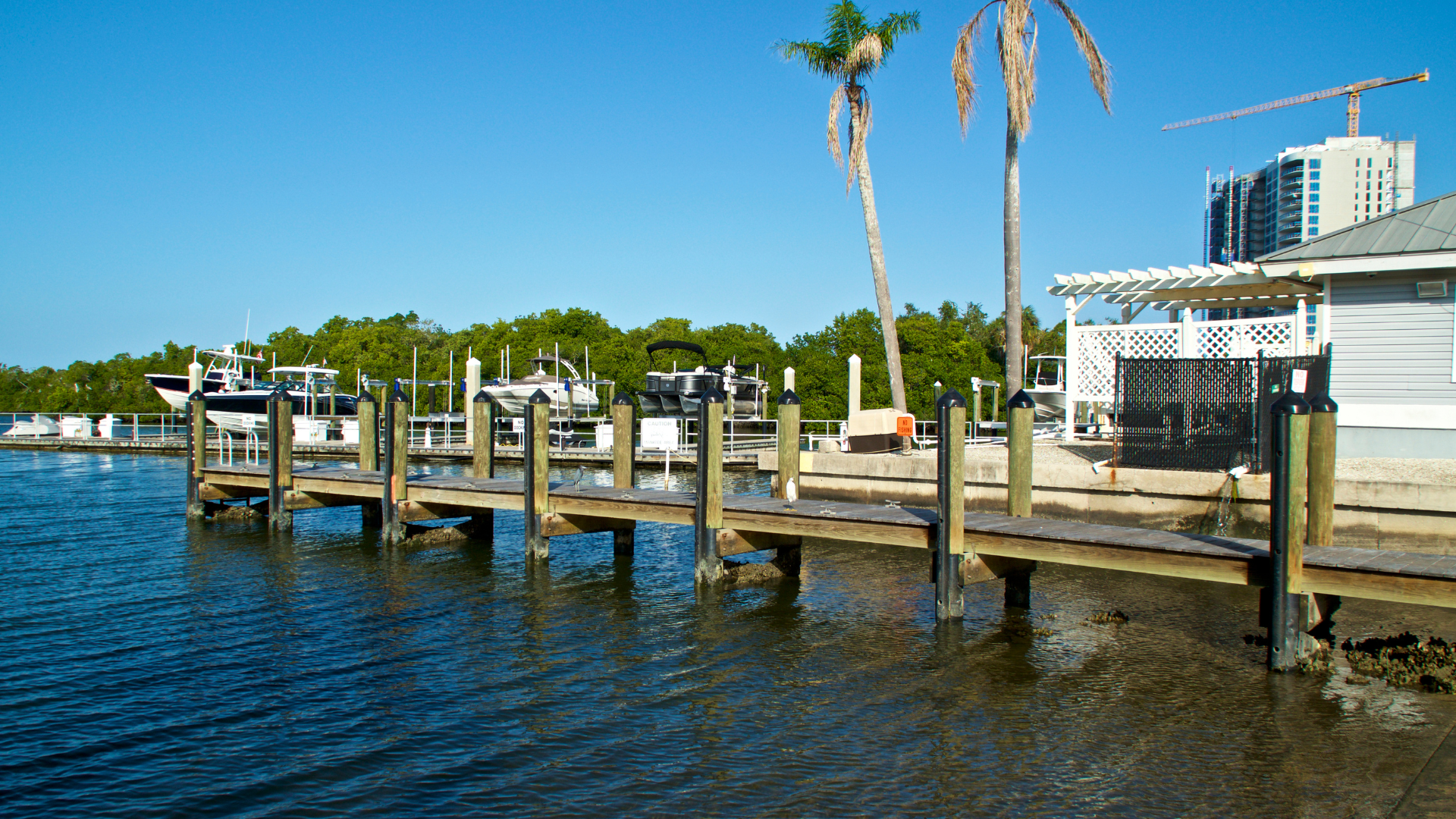
Understanding the Importance of Dock and Seawall Maintenance
Docks and seawalls are constantly exposed to harsh marine environments. Seawater, fluctuating tides, strong currents, and marine organisms can cause significant damage over time. Regular maintenance is crucial for several reasons:
Structural Integrity: Prevents collapse or failure, protecting property and ensuring safety.
Longevity: Extends the lifespan of your dock and seawall, saving you costly replacements.
Safety: Ensures the safety of your family, guests, and vessels.
Property Value: Maintains and enhances your property’s value.
Environmental Protection: Prevents erosion and protects the Intracoastal Waterway’s ecosystem.
Common Dock Materials and Maintenance
Docks along the Intracoastal Waterway are commonly constructed from several materials, each with specific maintenance needs:
Wood Docks:
Materials: Pressure-treated lumber, tropical hardwoods (e.g., Ipe, Mangrove).
Maintenance:
Regular inspections for cracks, rot, and insect damage.
Cleaning to remove algae, barnacles, and debris.
Staining or sealing to protect against moisture and UV damage.
Replacing damaged boards or fasteners.
Keywords: wood dock maintenance, Intracoastal Waterway dock repair, marine wood treatment, dock cleaning, dock inspection
Composite Docks:
Materials: Wood fibers mixed with recycled plastic.
Maintenance:
Regular cleaning with soap and water.
Inspecting for loose fasteners or damage.
Some composites may require periodic sealing.
Keywords: composite dock maintenance, low-maintenance docks, synthetic dock materials, Intracoastal Waterway decking, dock cleaning
Concrete Docks:
Materials: Reinforced concrete.
Maintenance:
Regular inspections for cracks, spalling, and deterioration.
Sealing to prevent water penetration and corrosion of rebar.
Repairing cracks and damaged areas promptly.
Keywords: concrete dock maintenance, Intracoastal Waterway dock repair, marine concrete structures, dock sealing, concrete crack repair
Seawall Materials and Maintenance
Seawalls protect your shoreline from erosion and are also constructed from various materials:
Concrete Seawalls:
Materials: Reinforced concrete.
Maintenance:
Regular inspections for cracks, spalling, and erosion at the base.
Monitoring for signs of settlement or tilting.
Repairing cracks and damaged areas with appropriate materials.
Ensuring proper drainage to prevent hydrostatic pressure buildup.
Keywords: concrete seawall maintenance, Intracoastal Waterway erosion control, seawall repair, marine concrete structures, seawall inspection
Riprap Seawalls:
Materials: Large rocks or boulders.
Maintenance:
Regular inspections for displacement or loss of rocks.
Adding or replacing rocks as needed to maintain the wall’s integrity.
Checking for erosion behind the wall.
Keywords: riprap seawall maintenance, Intracoastal Waterway erosion control, rock seawall repair, coastal erosion protection, seawall inspection
Vinyl Seawalls:
Materials: Interlocking PVC panels.
Maintenance:
Regular inspections for cracks, bowing, or damage to the panels.
Checking the integrity of the anchoring system.
Repairing or replacing damaged panels.
Keywords: vinyl seawall maintenance, Intracoastal Waterway erosion control, PVC seawall repair, synthetic seawall materials, seawall inspection
General Dock and Seawall Maintenance Tips
Regardless of the materials, here are some general maintenance tips:
Regular Inspections: Conduct thorough inspections at least twice a year, and after any major storms.
Prompt Repairs: Address any damage or deterioration immediately to prevent further problems.
Professional Expertise: Consult with qualified marine contractors for complex repairs or maintenance.
Permitting: Be aware of local and state regulations regarding dock and seawall repairs, which may require permits.
Clean Debris: Remove debris, such as leaves, branches, and trash, regularly.
Control Pests: Take measures to prevent damage from marine pests, such as barnacles and wood-boring organisms.
Conclusion
Maintaining your dock and seawall is essential for protecting your waterfront investment, ensuring safety, and preserving the beauty of the Intracoastal Waterway. By understanding the specific needs of your dock and seawall materials and following a regular maintenance schedule, you can prolong their lifespan, avoid costly repairs, and enjoy your waterfront property for years to come.