
Coastal living offers stunning views and a relaxed lifestyle, but it also comes with the challenge of high humidity, especially during the summer. This humidity creates the perfect environment for mold and mildew growth, which can damage your home, cause health problems, and create unpleasant odors. This article provides essential tips for managing humidity and preventing mold and mildew in your coastal home.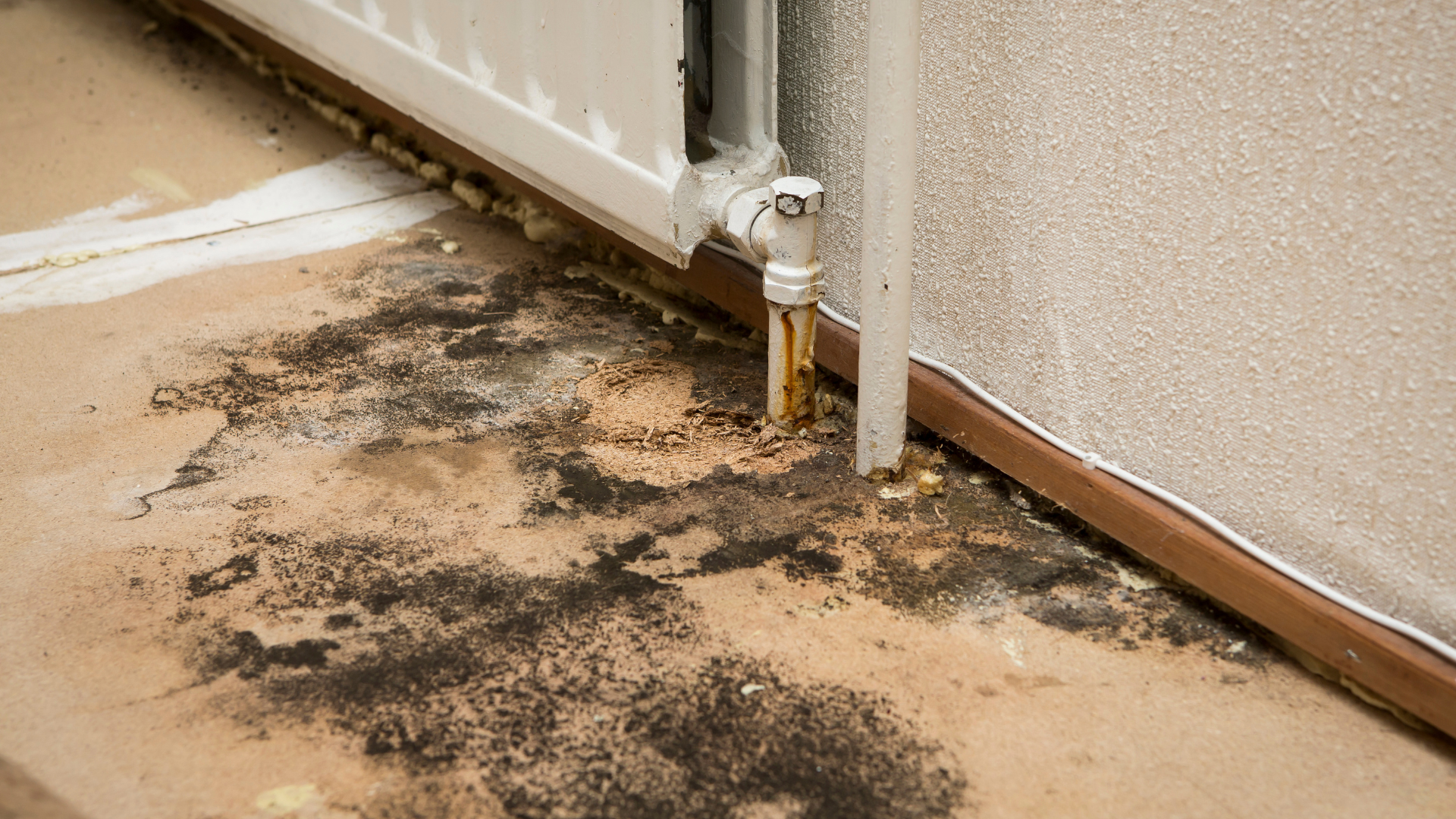
Understanding the Mold and Mildew Problem in Coastal Areas
Mold and mildew are types of fungi that thrive in damp, humid environments. Coastal areas, with their proximity to the ocean and frequent rainfall, experience consistently high humidity levels, particularly during the summer. This creates an ideal breeding ground for these unwanted growths.
The Dangers of Mold and Mildew
Health Issues: Mold and mildew can trigger allergies, asthma, and other respiratory problems. Some types of mold can even produce toxins that are harmful to humans and pets.
Property Damage: Mold and mildew can damage various surfaces, including walls, ceilings, floors, and furniture. They can cause staining, discoloration, and deterioration of materials.
Unpleasant Odors: Mold and mildew often produce a musty, unpleasant odor that can permeate your home.
Key Strategies for Preventing Mold and Mildew in Coastal Homes
Control Indoor Humidity Levels:
Description: The most effective way to prevent mold and mildew is to keep indoor humidity levels below 60%.
How to:
Use Dehumidifiers: Place dehumidifiers in areas prone to high humidity, such as basements, bathrooms, and laundry rooms.
Air Conditioning: Use air conditioning to cool and dehumidify your home. Ensure your AC system is properly sized and maintained.
Monitor Humidity Levels: Use a hygrometer to track indoor humidity levels.
Ensure Proper Ventilation:
Description: Good ventilation helps to circulate air and reduce moisture buildup.
How to:
Use Exhaust Fans: Install and use exhaust fans in bathrooms and kitchens to remove moisture generated from showering, cooking, and dishwashing.
Open Windows: When the outdoor humidity is lower than the indoor humidity, open windows to allow fresh air to circulate.
Improve Airflow: Use fans to circulate air within your home, especially in areas with poor ventilation.
Maintain Your HVAC System:
Description: A well-maintained HVAC system is crucial for controlling humidity and preventing mold growth.
How to:
Regular Inspections: Schedule regular inspections and maintenance for your HVAC system.
Clean or Replace Filters: Clean or replace air filters regularly (every 1-3 months) to ensure proper airflow and prevent dust and mold spores from circulating.
Clean Coils and Drain Pans: Clean the evaporator coils and drain pans to prevent mold growth and ensure efficient operation.
Proper Ductwork: Ensure your ductwork is properly sealed and insulated to prevent condensation.
Proper Moisture Management:
Description: Addressing sources of moisture is key to preventing mold and mildew.
How to:
Fix Leaks Promptly: Repair any leaks in your roof, plumbing, or windows immediately.
Dry Wet Areas: Dry any wet areas, such as spills or condensation, as quickly as possible.
Direct Water Away from Foundation: Ensure that rainwater is directed away from your home’s foundation with proper grading and gutters.
Use Mold-Resistant Materials:
Description: When building or renovating, use materials that are resistant to mold growth.
How to:
Mold-Resistant Paint: Use mold-resistant paint in bathrooms, kitchens, and other areas prone to moisture.
Mold-Resistant Drywall: Use mold-resistant drywall in areas with high humidity.
Regular Cleaning:
Description: Regular cleaning helps to remove mold spores and prevent them from settling and growing.
How to:
Clean Bathrooms Regularly: Clean bathrooms frequently with mold-killing cleaners.
Vacuum Carpets and Rugs: Vacuum carpets and rugs regularly to remove mold spores and dust.
Clean Gutters: Keep gutters clean to prevent water from overflowing and creating moisture problems.
Monitor Outdoor Humidity:
Description: Pay attention to outdoor humidity levels, especially during the summer months.
How to:
Use a Weather App: Use a weather app or website to monitor daily humidity levels.
Adjust Indoor Practices: Adjust your indoor practices based on outdoor humidity. For example, avoid opening windows when outdoor humidity is very high.
Conclusion
Preventing mold and mildew in coastal homes requires a proactive approach to managing humidity. By implementing these strategies, you can create a healthier and more comfortable living environment, protect your property from damage, and enjoy the beauty of coastal living without the risks associated with mold and mildew growth.