
The St. Lucie River is a gem of Florida’s Treasure Coast, offering stunning waterfront living and a boater’s paradise. However, owning property on this beautiful waterway comes with responsibilities, particularly concerning dock construction and adherence to specific regulations. This article will guide you through the essential aspects of St. Lucie River waterfront property regulations and dock permits in 2025.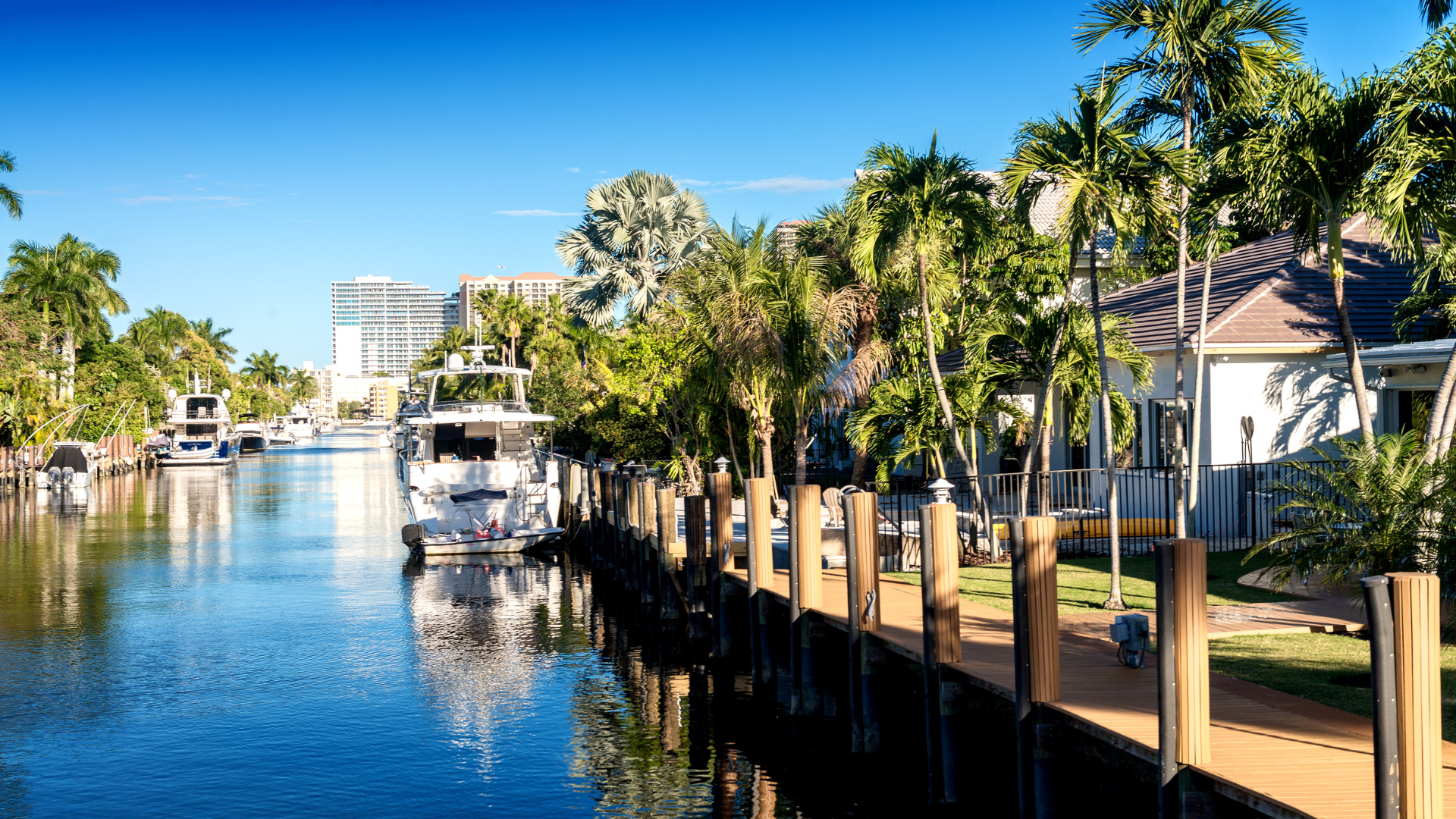
Understanding St. Lucie River Regulations
The St. Lucie River is subject to a complex web of regulations designed to protect its delicate ecosystem, ensure navigational safety, and preserve the aesthetic beauty of the area. These regulations stem from various sources, including:
Florida Department of Environmental Protection (DEP): The DEP plays a primary role in regulating dock construction and other activities that may affect state waters.
U.S. Army Corps of Engineers (USACE): The USACE also has jurisdiction over certain activities in navigable waters, including the St. Lucie River.
St. Lucie County and Municipalities: Local governments, such as the City of Stuart and Port St. Lucie, have their own zoning ordinances and permitting requirements that may apply in addition to state and federal regulations.
Key Regulations Affecting Waterfront Property Owners
Here are some of the key regulations that St. Lucie River waterfront property owners should be aware of:
Dock Size and Location Restrictions: Regulations often limit the size and configuration of docks to minimize their impact on navigation and the environment. Setbacks from property lines, maximum dock length, and the amount of over-water surface area may be restricted.
Environmental Protection: The St. Lucie River is home to sensitive habitats, including seagrass beds, mangroves, and other important ecosystems. Regulations aim to protect these areas by restricting dock construction in or near them.
Materials and Construction Standards: Dock construction materials and methods are often regulated to prevent pollution and ensure structural integrity. For example, restrictions may exist on the use of certain treated woods or the placement of pilings.
Navigational Safety: Docks must be constructed and maintained in a way that does not obstruct navigation on the river. Regulations may address lighting, marking, and the placement of structures to ensure safe passage for vessels.
Riparian Rights: Florida law recognizes riparian rights, which give waterfront property owners certain rights to access the water. However, these rights are subject to regulations designed to protect the public interest and the environment.
Obtaining Dock Permits in 2025
Building a new dock or modifying an existing one on the St. Lucie River typically requires obtaining permits from multiple agencies. The permit process can be complex and time-consuming, so it’s essential to be prepared and seek professional guidance if needed.
Here’s a general overview of the dock permitting process:
Determine Applicable Regulations: Contact the Florida DEP, USACE, and local government agencies to identify all the regulations and permit requirements that apply to your specific property and project.
Prepare a Permit Application: Gather the necessary documentation, which may include site plans, engineering drawings, environmental assessments, and proof of property ownership.
Submit the Application: Submit your permit application to the appropriate agencies.
Review and Approval: The agencies will review your application to ensure it complies with all applicable regulations. This may involve site visits, public hearings, and requests for additional information.
Permit Issuance: If your application is approved, you will receive a permit that outlines the conditions under which you can construct or modify your dock.
Compliance: Ensure that your dock construction complies with all the terms and conditions of your permit. Inspections may be required to verify compliance.
Tips for Navigating the Permitting Process
Start Early: The permitting process can take several months, so begin early in the planning stages of your project.
Seek Professional Guidance: Consider hiring a qualified engineer or environmental consultant to help you navigate the regulatory process and prepare your permit application.
Communicate with Agencies: Maintain open communication with the permitting agencies to address any questions or concerns promptly.
Be Prepared for Delays: Permitting timelines can vary, so be prepared for potential delays and factor them into your project schedule.
Understand Your Rights and Responsibilities: Familiarize yourself with your riparian rights and your obligations as a waterfront property owner.
Conclusion
Owning waterfront property on the St. Lucie River is a privilege that comes with the responsibility of adhering to regulations designed to protect this valuable natural resource. By understanding the relevant regulations and navigating the dock permitting process carefully, property owners can ensure that their projects are completed in a compliant and environmentally responsible manner, preserving the beauty and health of the St. Lucie River for generations to come.