
The Treasure Coast of Florida, with its beautiful beaches, charming towns, and pleasant climate, has long been a favorite destination for “snowbirds” seeking refuge from colder northern climates. As winter turns to spring, these seasonal residents begin to head back home, significantly impacting the local rental market. This article explores what the end of snowbird season means for Treasure Coast rental inventory this summer, providing insights for both property owners and potential renters.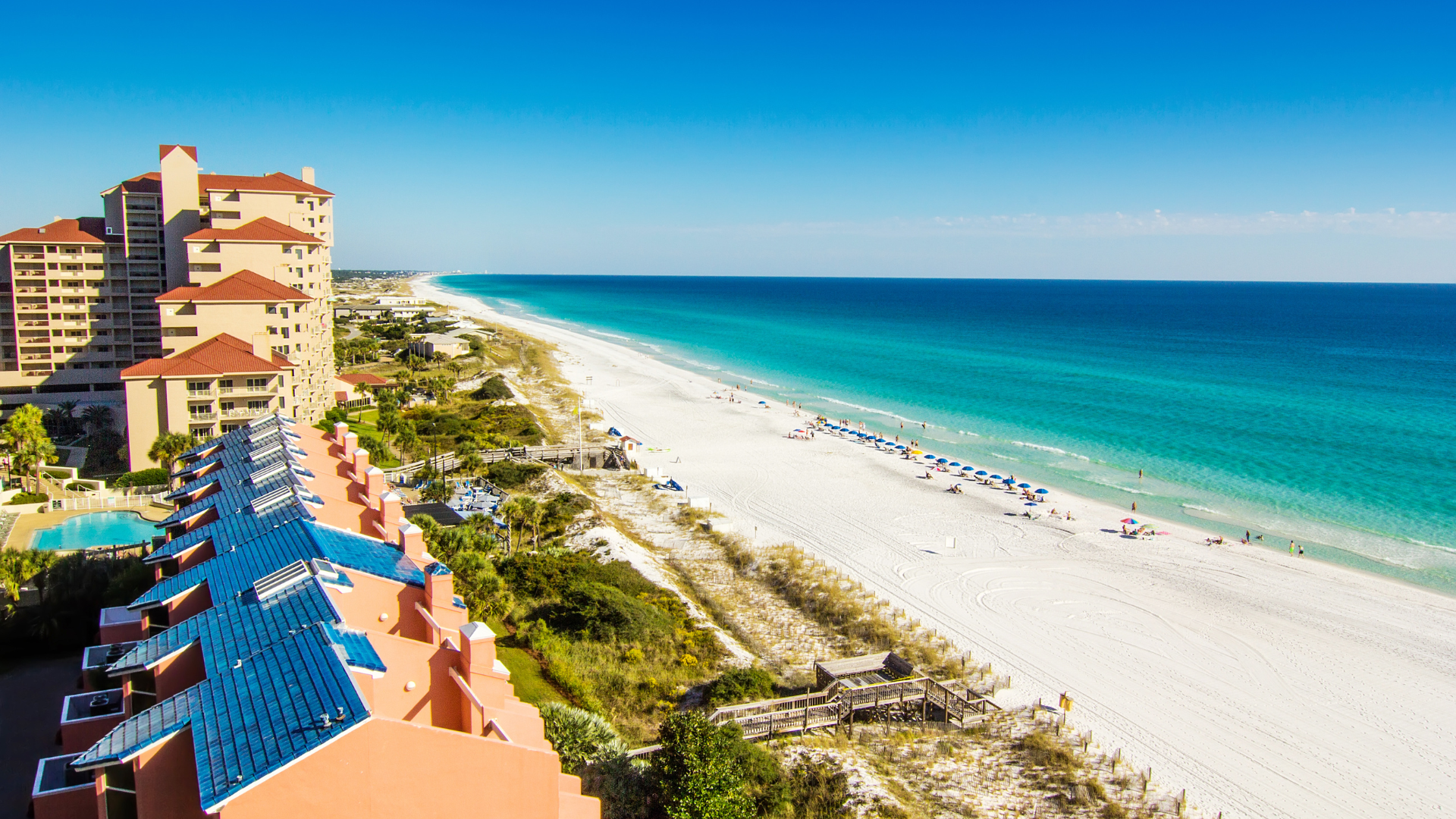
Understanding the Snowbird Effect on Treasure Coast Rentals
Snowbirds typically flock to the Treasure Coast (including areas like Stuart, Jensen Beach, Port St. Lucie, and Vero Beach) from late fall to early spring. During this time, they occupy a substantial portion of the available rental properties, including:
Condos: Many high-rise condos and smaller condo complexes offer seasonal rentals.
Homes: Single-family homes, often with pools and waterfront access, are popular among snowbirds.
Apartments: Some apartment communities offer flexible short-term leases to accommodate snowbirds.
This influx of seasonal renters drives up rental prices and reduces inventory during the winter months.
What Happens When Snowbird Season Ends?
As snowbird season concludes, the Treasure Coast rental market experiences a shift:
Increased Inventory: A significant number of rental properties become available, leading to a surge in inventory.
Decreased Rental Prices: With more supply and less demand, rental prices often become more competitive.
Shift in Rental Types: The demand shifts from longer-term seasonal rentals to shorter-term vacation rentals and annual leases.
Opportunities for Renters
The end of snowbird season presents several opportunities for renters:
Greater Availability: Renters have a wider selection of properties to choose from.
Lower Prices: Seasonal price reductions make renting more affordable.
Flexible Lease Terms: Landlords and property managers may offer more flexible lease terms, including shorter-term options.
Variety of Options: From budget-friendly apartments to luxury waterfront homes, a greater variety of rental options are available.
Strategies for Property Owners
For Treasure Coast property owners, the end of snowbird season requires a shift in strategy:
Transition to Summer Rentals: Market properties for summer vacationers, targeting families and tourists.
Offer Annual Leases: Attract long-term tenants by offering annual lease agreements.
Adjust Rental Rates: Adjust rental rates to reflect the changing market conditions.
Property Maintenance: Use the off-season to perform necessary maintenance and upgrades.
Target Different Demographics: Market properties to different demographics, such as young professionals or traveling workers.
The Treasure Coast Rental Market This Summer
The Treasure Coast rental market this summer will be characterized by increased inventory and competitive pricing. Property owners who adapt to the changing market dynamics will be most successful in attracting tenants. Renters will benefit from greater availability and more affordable options.
Conclusion
The end of snowbird season brings significant changes to the Treasure Coast rental market. For renters, it’s a time of opportunity with increased inventory and lower prices. For property owners, it’s crucial to adapt their strategies to attract new tenants and maximize their rental income. By understanding these seasonal shifts, both renters and property owners can navigate the Treasure Coast rental market effectively.