
For years, the headlines surrounding the Indian River Lagoon (IRL) were heartbreaking. Images of emaciated manatees and “brown tide” algal blooms became the face of a mounting ecological crisis. However, as we move through the 2025/2026 season, the tide is quite literally turning.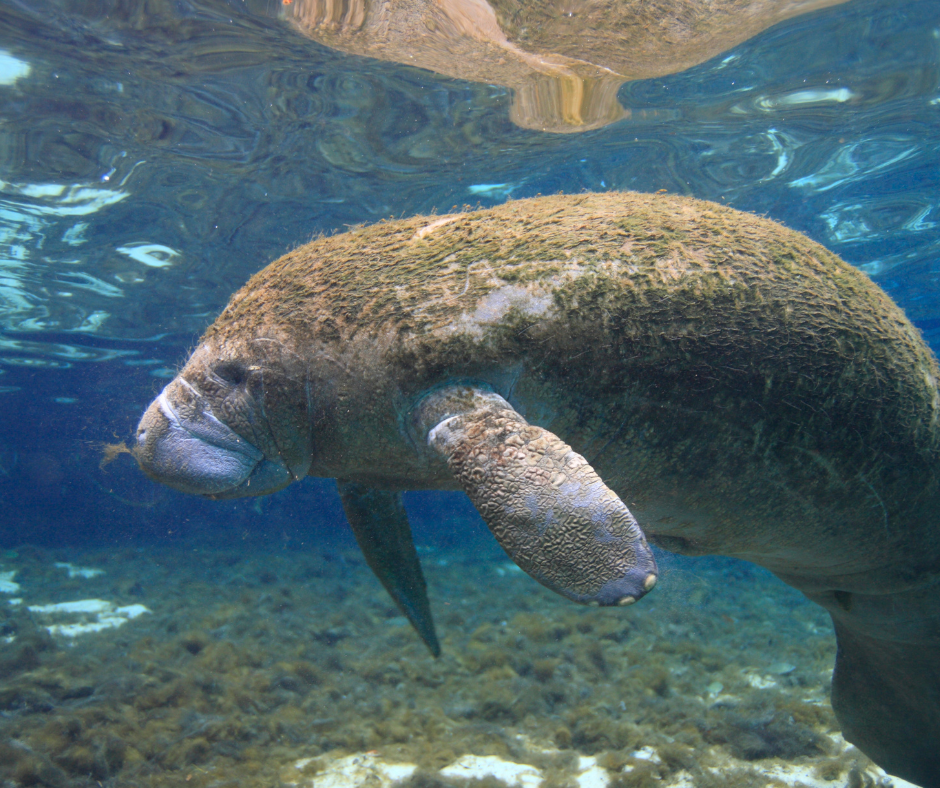
The latest 2025/2026 Lagoon Health Report has delivered a rare and welcome surprise: an overall “okay” rating for many central basins. While “okay” might sound modest, in the world of marine conservation, it represents a monumental victory and the first sign of a “silent recovery” that has been years in the making.
By the Numbers: The 2026 Manatee Statistics
The most visible sign of progress is the health of our local manatee population. In Indian River and St. Lucie counties, the mortality rates have dropped significantly compared to the devastating 2021 Unusual Mortality Event (UME).
Indian River County: Reported only 7 manatee deaths in 2025, down from 25 in 2021.
St. Lucie County: Deaths have stabilized at near-historic lows, with only 6 reported last year.
The Difference: While manatees in Brevard County still face challenges due to its larger lagoon footprint, the southern and central stretches are seeing a resurgence in natural foraging, reducing the need for the emergency supplemental feeding programs of years past.
The Seagrass Revolution: New Restoration Techniques
The primary driver of this comeback is the return of seagrass, the foundation of the lagoon’s ecosystem. After losing over 90% of its seagrass biomass a decade ago, the lagoon is benefiting from “Building Lagoonwide Capacity” initiatives.
Experimental Nurseries: Hubs like the Harbor Branch Oceanographic Institute are now mass-producing Shoal Grass (Halodule wrightii), a “pioneer species” that can survive in more varied salinity and light levels.
Living Docks & Oysters: Over 15 “Living Docks” in Indian River County now use oyster matts to filter the water, improving the clarity (turbidity) necessary for seagrass to photosynthesize.
Sediment Detoxification: New techniques involve using clams to stabilize and detoxify the “muck” on the lagoon floor, creating a healthy bed for new grass to take root.
Jones Pier & The “Save Our Lagoon” Impact
Two major pillars of this recovery are local land conservation and dedicated tax funding.
Jones Pier Conservation Area: This 16.5-acre site in Indian River County recently completed a massive wetland restoration. By re-routing drainage through 2.8 acres of new wetlands, the project filters out an estimated 269 pounds of nitrogen annually before it can reach the lagoon.
Save Our Lagoon Funding: The half-cent sales tax in Brevard, combined with over $100 million annually in state funding, has accelerated “septic-to-sewer” conversions. In cities like Sebastian, these programs have already removed hundreds of thousands of grams of nitrogen from the watershed.
Conclusion: How You Can Help This Spring
The “silent recovery” of 2026 is a testament to what happens when community funding meets scientific innovation. While the lagoon is not yet “cured,” it is no longer in the state of emergency that defined the early 2020s.
To help sustain this momentum, residents are encouraged to follow Florida-Friendly Landscaping guidelines: skip the fertilizer during the summer rainy season and consider installing a rain garden to catch runoff. The manatees are coming home—let’s make sure they have a healthy place to stay.