
For a brief, dazzling period in the late 19th century, Jensen Beach, Florida, was the “Pineapple Capital of the World,” shipping over one million boxes of the coveted tropical fruit each year. The air was thick with the sweet aroma of ripening ananas fields, and Pineapple Kings like John Laurence Jensen and Captain Thomas Richards ruled the agricultural economy of the Treasure Coast.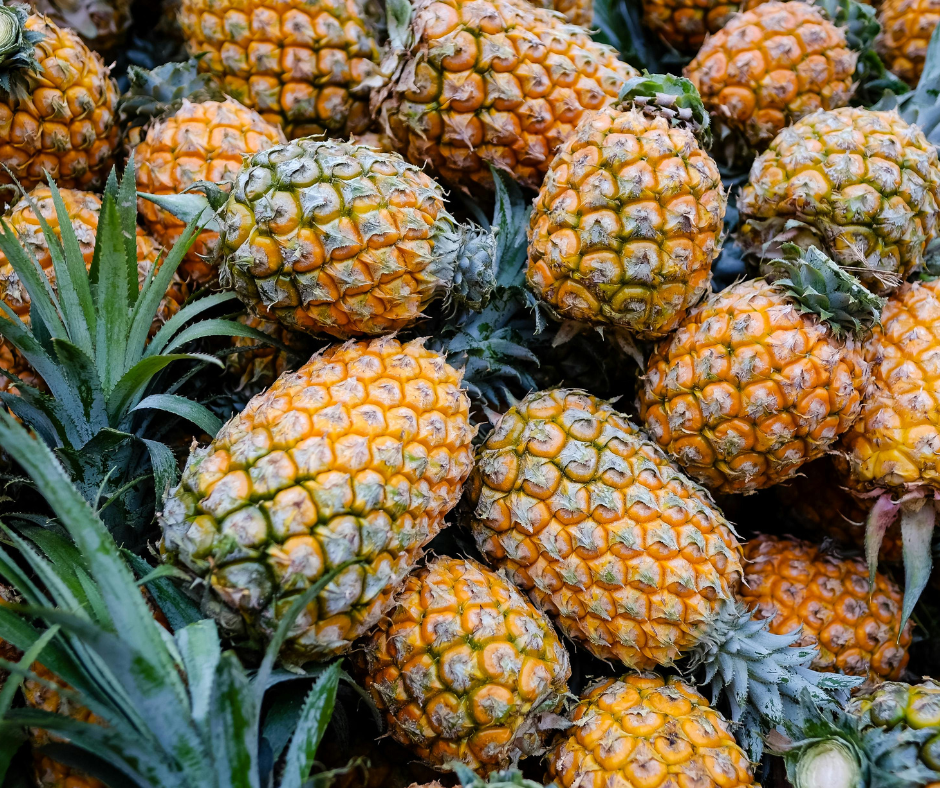
Today, those vast, sandy plantations have been replaced by neighborhoods like Pineapple Plantation and the vibrant life of a modern coastal town. The glorious, large-scale industry collapsed around 1920, due to freezes, competition from Cuba, and devastating fires. Yet, the pineapple remains the cornerstone of Jensen Beach’s local identity—and the industry itself has not entirely vanished. This is a profile of the last dedicated commercial pineapple growers fighting to keep this vital piece of Florida history alive.
The Rise and Fall of the Pineapple Capital
The success of the Jensen Beach pineapples was due to the unique, well-drained sandy soils of the Atlantic Coastal Ridge.
1881: Danish immigrant John Laurence Jensen establishes his plantation, giving the town its name.
1895: Jensen is officially recognized as the “Pineapple Capital of the World,” leveraging the newly built Florida East Coast Railway for massive shipments North.
1895–1920: A series of devastating events—including a major freeze in 1895, town fires, and cheaper Cuban imports—decimated the industry. Growers eventually shifted to more resilient citrus crops.
Though the industry died, the pineapple remains the official symbol of Jensen Beach, celebrated annually at the popular Jensen Beach Pineapple Festival.
👑 The Last Vestiges: Keeping the Tradition Alive
While no large-scale commercial pineapple farms exist in the immediate Jensen Beach area, the tradition and expertise are carried on by dedicated, multi-generational farmers who operate slightly north, continuing the Treasure Coast’s pineapple tradition.
Here are the efforts keeping the flame of the “Pineapple Kings” alight:
Nature Farms Inc. (Wabasso/Indian River County): Owner Mark Dellerman, the grandson of a former citrus grower, harvests thousands of pineapples each year. His motivation is continuing the farming way of life, focusing on naturally grown varieties prized for their superior sweetness. He sells hyper-locally, often selling out within hours during the short summer season.
The Hallstrom Farmstead (Vero Beach): This preserved farm, once a 50-acre pineapple plantation, is maintained to interpret the agricultural era. While not commercially active, its historical tours and commitment to showing the old way of life keep the pioneer history physically present and accessible.
Pineapple Park & Local Gardens: Places like Pineapple Park in Jensen Beach pay direct tribute to this history. Countless Jensen Beach residents continue to grow a few pineapple plants in their yards, a small, personal act that maintains a tangible link to the town’s origins.
📝 The Challenges for the Modern Pineapple King
The handful of growers who maintain the tradition face challenges their 19th-century predecessors never imagined:
Land Value: The cost of Martin County real estate makes large-scale farming economically unfeasible. Any undeveloped acreage is worth vastly more for housing development than as a pineapple field.
Global Competition: Modern logistics and low labor costs make it impossible to compete with major pineapple producers. Local growers must rely entirely on premium quality and local pride for sales.
Time and Climate: The pineapple is a sensitive, long-term crop, taking 18–24 months to produce a single fruit. This makes them highly vulnerable to increased weather volatility, including freezes and floods.
Conclusion: More Than Just a Fruit
The story of the Last of the Pineapple Kings is a poignant study in local identity versus modernization. Though the vast fields are gone, the pineapple symbolizes a bygone era when Jensen Beach was defined by the dirt beneath its feet, not the boats on its water.
The continuation of small-scale pineapple farming on the Treasure Coast is not a business model; it is an act of historical preservation. It ensures that the generations who only know the Jensen Beach Pineapple Festival can still taste the real, locally grown fruit that built their town, reminding everyone of the resilient Florida pioneer spirit that remains beneath the modern surface.