
The name “Treasure Coast” instantly conjures images of Spanish galleons and recovered gold coins from the 1715 Plate Fleet. While this maritime saga is undeniably central to the region’s identity, the history of Martin County and St. Lucie County—encompassing areas like Jensen Beach and Fort Pierce—is rich with other narratives that shaped Florida and the nation.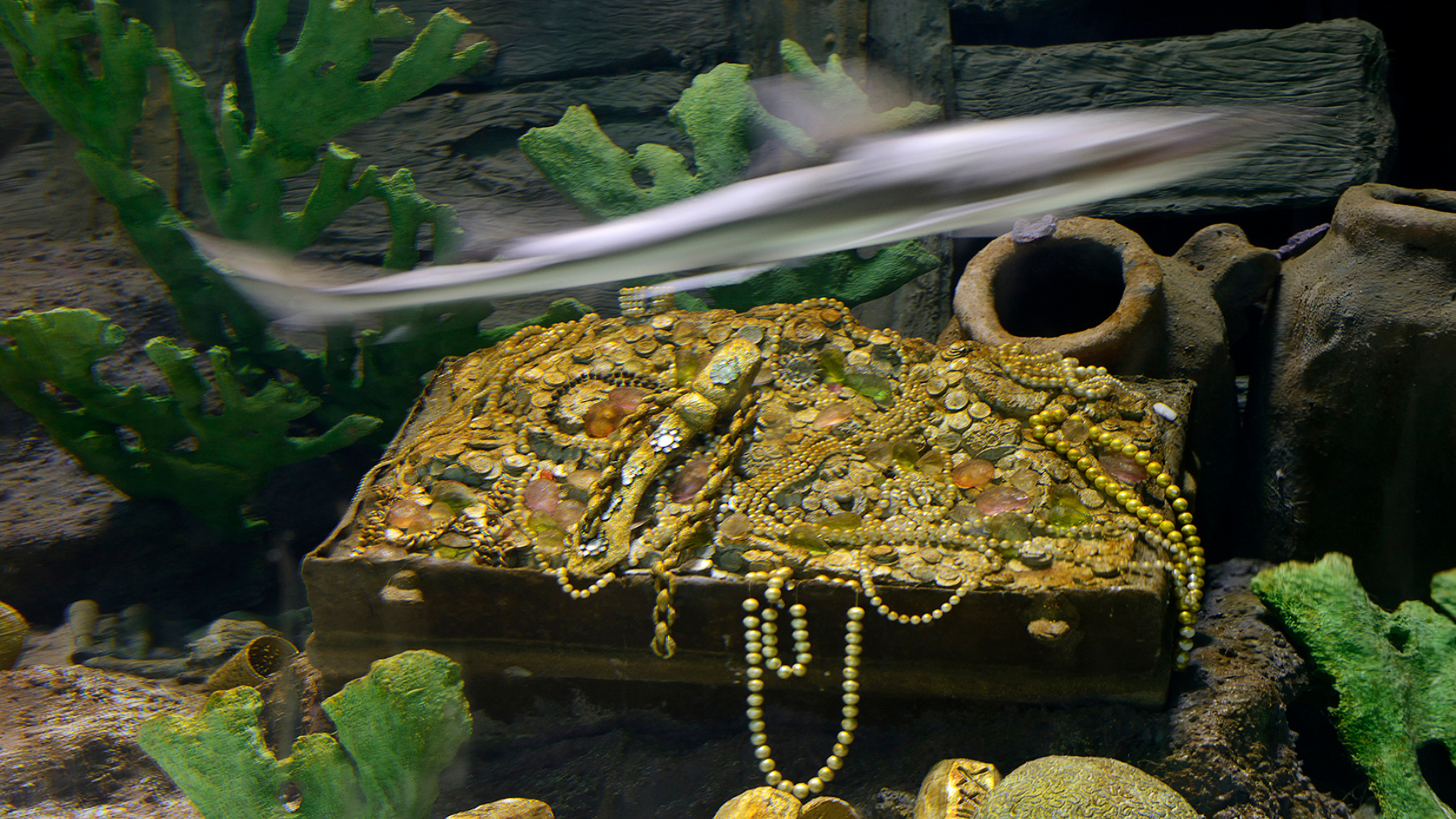
To truly appreciate the Treasure Coast lifestyle, one must look beyond the gold to the pioneers, lifesavers, and secret warriors who left their indelible marks.
Three Pillars of Treasure Coast History
The local communities thrive on the deep, multifaceted history that is preserved in its museums and landmarks. Here are three fascinating historical aspects that contribute to the region’s unique heritage:
1. Jensen Beach: From Sunken Treasure to the Pineapple Capital of the World
For a brief, sweet, and incredibly prosperous period, Jensen Beach was the undisputed king of a global commodity.
The Pineapple Boom: Starting in the late 1800s, conditions in Jensen Beach—the sandy, well-drained soil of the Atlantic Ridge—proved ideal for pineapple cultivation.<!–> Farms flourished along the Indian River, with pioneers like Captain Thomas Richards planting the first slips.
–><!–>–><!–>A Million Boxes Annually: Between 1895 and 1920, the area was known as the “Pineapple Capital of the World,” shipping an estimated one million boxes of pineapples north each summer.–> African-American and Bahamian laborers were crucial to the industry’s success during this era.
The Industry’s Collapse: The industry was eventually felled by a combination of cold snaps, crop diseases (nematodes), increased competition from Cuban imports, and shipping disruptions during World War I.<!–> While the pineapple fields were replaced by citrus groves, the legacy is celebrated annually at the popular Jensen Beach Pineapple Festival.
–><!–>–><!–>
2. The House of Refuge: A Beacon of Life-Saving Service
Long before the Coast Guard, the rugged, sparsely populated Florida coast was protected by a chain of lonely outposts designed to save lives—the Houses of Refuge.
Humanitarian Mission: Established by the U.S. Life-Saving Service in 1876, ten of these stations were built along the Atlantic Coast to provide food, shelter, and medical aid to the victims of shipwrecks.–> Before their construction, many survivors who made it to the remote shore perished from hunger and exposure.
Gilbert’s Bar Survivor: The House of Refuge at Gilbert’s Bar on Hutchinson Island (near Stuart) is the sole remaining structure of the original ten.<!–> It is Martin County’s oldest standing building and a powerful symbol of maritime selflessness.
–><!–>–><!–>War Watchtower: The structure’s service extended into the 20th century.–> During World War II, it was commissioned as a U.S. Coast Guard station and even had a lookout tower added to scan the waters for German U-boats, which were sinking Allied freighters just offshore of the Treasure Coast.
3. Fort Pierce: The Birthplace of the Navy SEALs
Fort Pierce’s role in World War II is one of the nation’s most fascinating military secrets, as it served as the original training ground for the elite special operations forces that would eventually become the Navy SEALs.
The Amphibious Training Base: In 1943, the U.S. Navy established the Naval Amphibious Training Base (USNATB) at Fort Pierce.<!–> This became the school for the Naval Combat Demolition Units (NCDUs) and Navy Scouts & Raiders (S&Rs)—the direct forerunners of the SEALs and Underwater Demolition Teams (UDTs).
–><!–>–><!–>“Hell Week” Origin: It was here, in the harsh, mosquito-ridden environment of North Beach, that the infamous and brutal “Hell Week” was first implemented by Lieutenant Commander Draper L. Kauffman to weed out those unsuited for the intense demolition work needed for the D-Day invasion.
–><!–>–><!–>A Legacy of Courage: These Fort Pierce-trained “frogmen” went on to perform reconnaissance and demolition under fire in nearly every major amphibious landing of WWII.–> Today, this legacy is honored and preserved at the National Navy UDT-SEAL Museum in Fort Pierce, the only museum dedicated exclusively to the history of Naval Special Warfare.
Conclusion: A Heritage Richer Than Gold
While the allure of finding a silver reale on the beach is strong, the full scope of Treasure Coast history is what truly makes this region an exceptional place to live. It is a place built by entrepreneurial pineapple farmers, selfless lifesavers, and courageous frogmen.
For residents and prospective buyers, this rich heritage is not just for reading; it’s tangible—found in the preservation of the House of Refuge, the annual festivals of Jensen Beach, and the hallowed grounds of Fort Pierce. This unique blend of maritime adventure, agricultural legacy, and military significance elevates the Florida Real Estate on the Treasure Coast to a truly unique class.