
The Treasure Coast’s history is intertwined with the cultivation and export of pineapples, a period often referred to as the “Pineapple Era.” This golden age transformed the region’s economy and left an enduring legacy.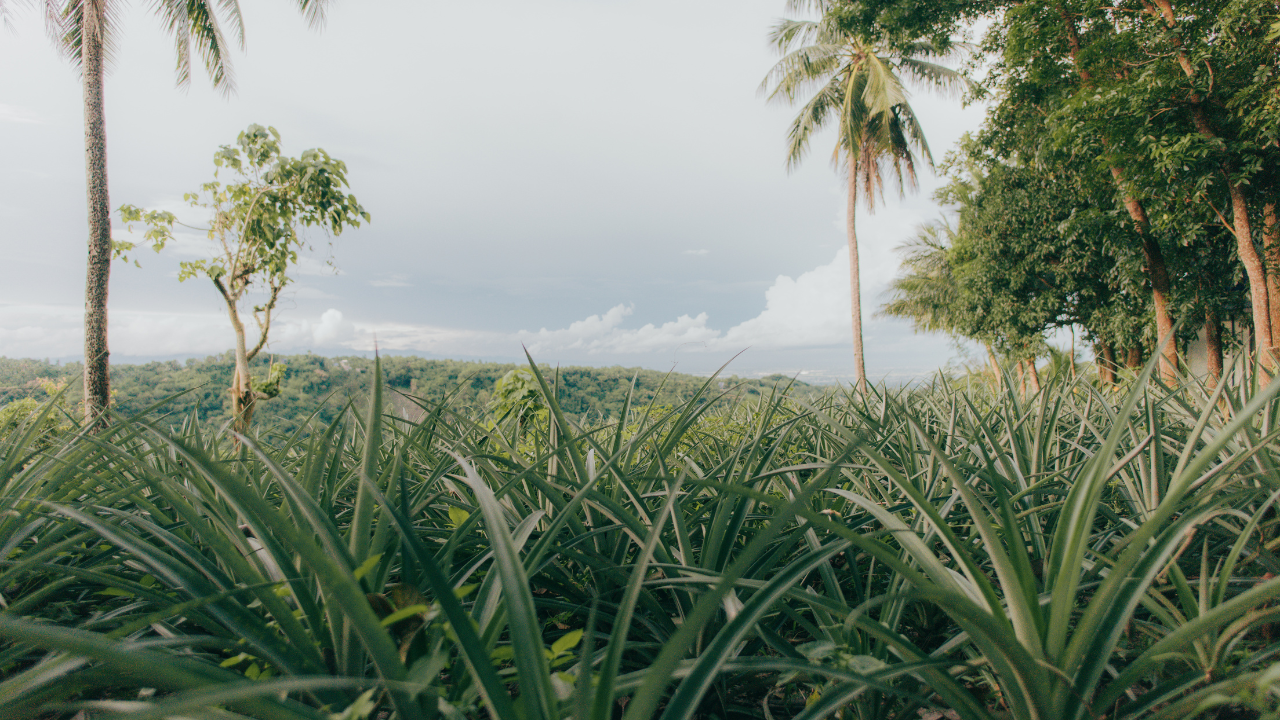
Pineapple Cultivation on the Treasure Coast:
- Ideal Growing Conditions: The Treasure Coast’s tropical climate and fertile soil provided the perfect environment for pineapple cultivation.
- Labor-Intensive Industry: The process of planting, harvesting, and processing pineapples was labor-intensive, relying heavily on migrant workers.
- Economic Boom: The export of pineapples to markets across the country fueled economic growth and development in the region.
The Pineapple Era’s Cultural Impact:
- Architectural Influence: Pineapple motifs became popular in architecture, with decorative elements incorporated into homes and businesses.
- Local Businesses: The pineapple industry supported a network of canneries, shipping companies, and related businesses.
- Community Events: Pineapple festivals and celebrations became a staple of the Treasure Coast’s social calendar.
The Decline of the Pineapple Industry:
Several factors contributed to the decline of the pineapple industry on the Treasure Coast:
- Disease and Pests: Pineapple plants were susceptible to diseases and pests that impacted production.
- Economic Challenges: Competition from other fruit-producing regions and changing market conditions affected profitability.
- Shifting Focus: The region’s economy diversified, with agriculture giving way to other industries.
While the pineapple era has passed, its legacy continues to shape the Treasure Coast. The region’s rich history and cultural heritage are a testament to the hard work and entrepreneurial spirit of those who contributed to its growth.