
For years, homeowners in Martin and St. Lucie Counties have lived in fear of a specific letter: the “Non-Renewal Notice” citing an aging roof. In the past, even if your roof was perfectly sound and leak-free, an insurance carrier could drop your coverage simply because it hit a “magic number” (often just 10 or 15 years for shingles).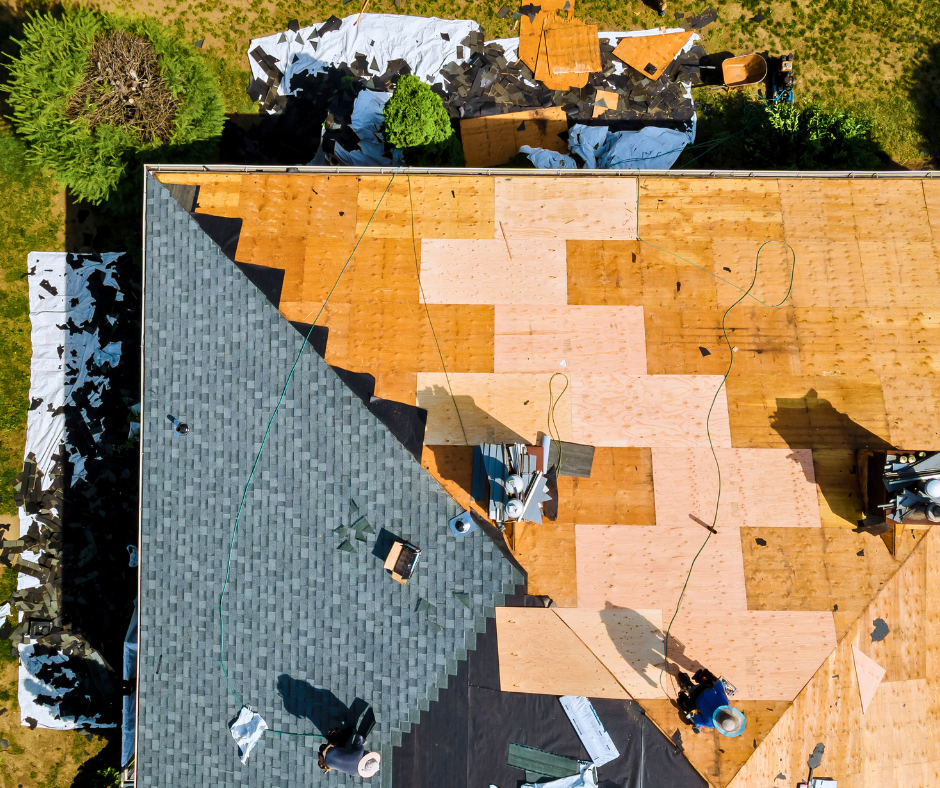
However, as of July 1, 2026, the tide has officially turned. Under the newly enacted House Bill 815 (HB 815), Florida lawmakers have closed the “age-only” loophole, giving power back to property owners who maintain their homes.
1. The Core of HB 815: Condition Over Age
Before this law, carriers frequently used “underwriting guidelines” to bypass state protections. HB 815 clarifies and strengthens the rules for all property insurance policies, not just standard homeowners’ forms.
The 15-Year Rule: Insurers are strictly prohibited from refusing to issue or renew a policy solely because a roof is less than 15 years old.
The “Useful Life” Extension: For roofs 15 years or older, the insurer must allow you to prove the roof’s viability. If an authorized inspector determines your roof has at least 5 years of useful life remaining, the insurer cannot drop you based on age alone.
Expansion of Inspectors: The law now expands the definition of “authorized inspector” to include roof consultants from the International Institute of Building Enclosure Consultants (IIBEC), making it easier for homeowners to get a fair second opinion.
2. Steep-Slope vs. Low-Slope: New Distinctions
HB 815 introduces specific protections based on your roof’s pitch—a common sticking point for modern homes in Port St. Lucie and Stuart.
Steep-Slope (More than 2-inch pitch): Carriers must allow an inspection to prove 5+ years of life before mandating replacement.
Low-Slope (Flat or 2-inch pitch or less): If a roof is aging but sound, insurers must now consider roof coating systems that extend the roof’s life by 5+ years as a valid reason to maintain coverage.
3. Why This Matters for the Treasure Coast
Our local environment—extreme UV rays and salt air—often makes roofs look older than they are.
Financial Sanity: Homeowners no longer have to shell out $20,000–$40,000 for a “forced” replacement of a functional roof just to keep insurance.
Market Stability: By slowing the rate of non-renewals, HB 815 helps stabilize the local real estate market, preventing “uninsurable” homes from sitting on the market.
Metal & Tile Advantage: Since metal and tile roofs often last 30–50 years, this law prevents carriers from arbitrarily applying “shingle-life” logic to superior materials.
How to Use HB 815 to Protect Your Home
If you receive a non-renewal notice citing roof age in 2026, follow these steps:
Verify the Age: Calculate the age from the date 100% of the surface was replaced or the date of the final building permit.
Order an Independent Inspection: Hire a licensed home inspector or roofing contractor to perform a Roof Condition Certification.
Submit Proof of “Useful Life”: If the report shows 5+ years of life, your insurer is legally barred from dropping you solely due to age under Florida Statute 627.7011.
Consult an Agent: Work with a Treasure Coast agent who understands the 2026 legislative shifts to ensure your carrier is complying with the new law.
Conclusion: A Win for Property Rights
The “Roof Age” loophole was one of the most frustrating aspects of the Florida insurance crisis. With HB 815, the 2026 legislative session has provided a vital safety net for homeowners in Martin and St. Lucie Counties. While insurers still have the right to drop policies for roofs that are actually failing, they can no longer punish you for a roof that is simply “older” but doing its job.