
For many, retiring to Florida’s Treasure Coast—stretching from the quiet beaches of Vero Beach to the sophisticated waterways of Stuart and Jupiter—is the ultimate goal. The allure of “Active Adult” living is strong: pickleball at dawn, social hours at the clubhouse, and a “lock-and-leave” lifestyle that promises freedom.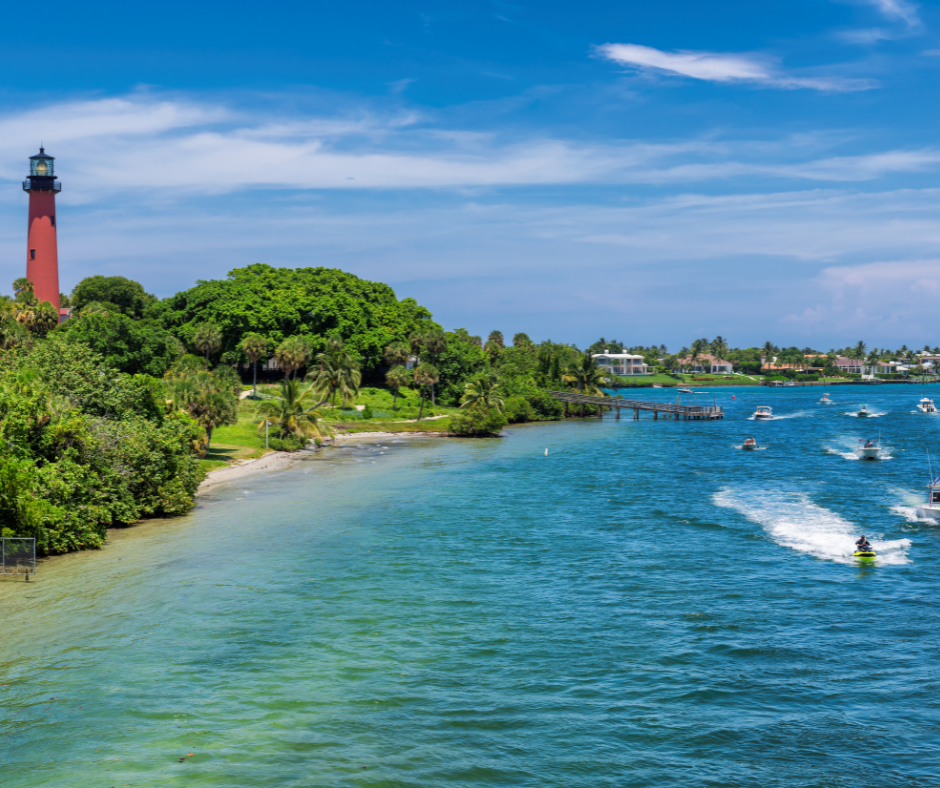
However, as we enter 2026, the financial landscape of Florida retirement has shifted. Beyond the price of the home and the greens fees, there are hidden “wealth-eroders” that can catch even the most diligent planners off guard. Whether you are eyeing Port St. Lucie for its affordability or Martin County for its luxury, here are the five most unexpectedly expensive aspects of 55+ community living on the Treasure Coast today.
1. Mandatory Fully Funded Reserves (The “SIRS” Impact)
The biggest financial story in Florida real estate right now is the Structural Integrity Reserve Study (SIRS). Following legislative changes aimed at building safety, Florida law now mandates that many condo and homeowner associations (especially those three stories or higher) must fully fund their reserves for structural items like roofs, load-bearing walls, and fire protection.
Why it’s a shock: In the past, many boards voted to waive or underfund reserves to keep monthly dues low. As of January 1, 2026, that is no longer an option for critical structural components.
The Cost: This has led to a “catch-up” period where monthly HOA fees have doubled or tripled in some older Treasure Coast communities to meet state-mandated funding levels.
2. The “Equity” Membership Initiation Fee
In many of the Treasure Coast’s most prestigious 55+ communities—particularly those with private clubs—you don’t just buy a house; you buy an equity membership.
The Price Tag: In 2026, initiation fees in luxury enclaves can range from $50,000 to over $200,000.
The Catch: Many of these fees are now non-refundable. Years ago, you might have expected a 50% or 80% return of your deposit when you sold the home. Today, many clubs have shifted to a “non-equity” or “non-refundable” model, meaning that six-figure check is a sunk cost of the lifestyle.
3. The “First-Year” Property Tax Reset
Florida’s “Save Our Homes” cap is a wonderful tool for long-term residents, as it limits the annual increase in assessed value to 3%. However, new buyers often fall into a “tax trap.”
The Shock: When you buy a home from someone who has lived there for 20 years, they are likely paying taxes on an assessed value far below current market rates.
The Reality: The year after you buy, the property is reassessed at the full 2026 market value. It is common for new Treasure Coast residents to see their property tax bill double or triple in year two, regardless of the exemptions they claim.
4. Coastal “Risk Rating 2.0” Insurance Premiums
While the Treasure Coast is generally more affordable than Miami or Palm Beach, its proximity to the Atlantic means Flood and Hazard Insurance remain a dominant expense.
FEMA’s New Math: Under Risk Rating 2.0, flood insurance is no longer determined solely by “zones” but by individual property risk.
The Trend: Even if your 55+ villa isn’t directly on the sand, its elevation and distance to the St. Lucie River or the Indian River Lagoon could trigger annual premiums that climb 15%–18% annually until they reach their “full-risk” rate.
5. Special Assessments for “Aging Luxury”
Many of the most popular 55+ communities on the Treasure Coast were built in the 1980s and 90s. While they look beautiful, their infrastructure is reaching a “clipping point.”
What to Look For: Clubhouses need modernizing to stay competitive, sea walls require structural repair, and resort-style pools need resurfacing.
The Assessment: When a reserve fund isn’t enough to cover a multi-million dollar clubhouse renovation, the HOA levies a Special Assessment. It isn’t uncommon for residents to receive a surprise bill for $10,000 to $30,000 to fund community-wide “refresh” projects.
📊 Treasure Coast Monthly Cost Comparison (Estimated 2026)
| Expense Category | Mid-Range Community (PSL) | Luxury Equity Club (Stuart) |
| Monthly HOA/Dues | $450 – $750 | $1,800 – $4,500+ |
| Annual Insurance | $3,500 – $5,000 | $7,000 – $12,000+ |
| Initiation Fee | $0 – $5,000 | $75,000 – $200,000 |
| Landscaping/Trash | Included in HOA | Included in HOA |
Conclusion: Due Diligence is the New Retirement Hobby
Living the Florida dream on the Treasure Coast is still one of the best retirement moves you can make, but the “price of admission” has evolved. To avoid post-closing “sticker shock,” work with a realtor who knows how to read an HOA Financial Statement and a Structural Integrity Reserve Study.
The goal of your golden years should be peace of mind—and that starts with a clear-eyed look at the true cost of the lifestyle.