
The Treasure Coast—specifically booming areas like Port St. Lucie, Stuart, and Vero Beach—is currently the epicenter of Florida’s new construction surge. Master-planned communities are popping up overnight, offering “resort-style living” and “unmatched amenities.”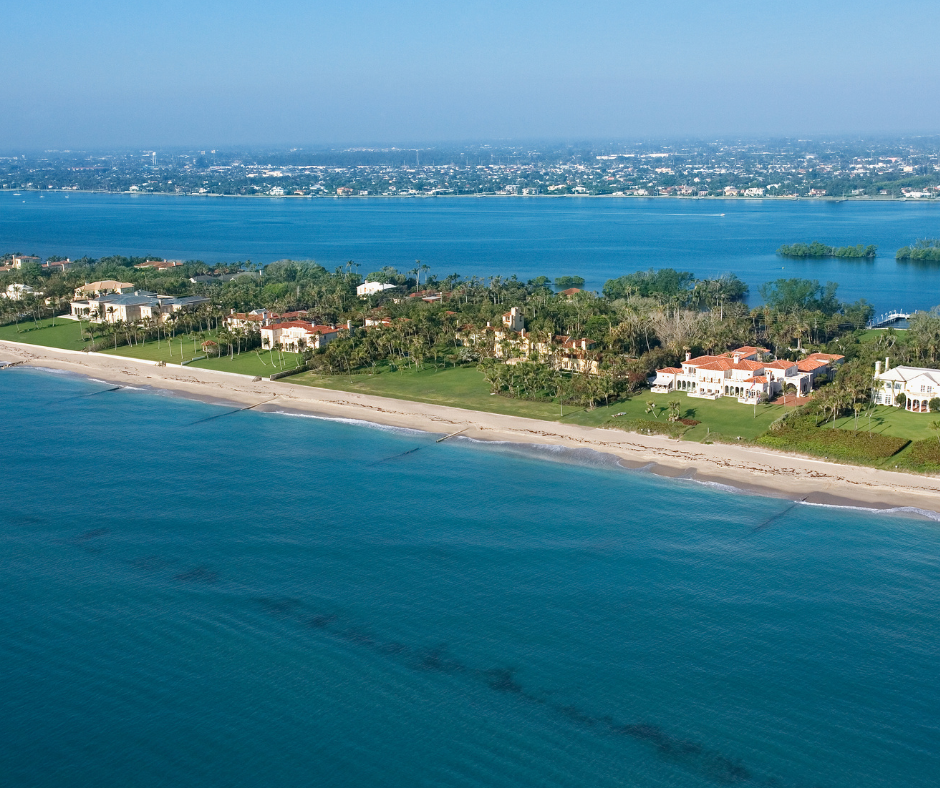
But there is a hidden line item on your property tax bill that many agents fail to emphasize: the Community Development District (CDD) fee. For the unwary buyer, the CDD is a financial trap that can drastically alter your Debt-to-Income (DTI) ratio and add a staggering amount to your total cost of ownership.
🏗️ What is a CDD (Community Development District)?
A CDD is a special-purpose government unit created under Florida law to finance the infrastructure of a new community. Instead of the developer paying for roads, utilities, and clubhouses upfront, they issue tax-exempt bonds.
The “trap” is that the developer passes the cost of these bonds directly to the homeowners. This is why you might find a beautiful home in a new community that seems “cheaper” than a resale—the infrastructure debt isn’t reflected in the listing price; it’s hidden in the taxes.
💸 The Two-Part Financial Hit
When you buy in a Treasure Coast CDD community, you aren’t just paying an HOA fee. You are paying a Non-Ad Valorem Assessment that consists of two parts:
The Bond Debt (The 30-Year Trap): This is your portion of the initial loan used to build the neighborhood. It is usually a fixed amount paid over 20 to 30 years.
Operations & Maintenance (O&M): This covers the ongoing upkeep of the community. Unlike the bond, this fee never goes away and can increase every year.
📉 Why It Matters: High-Value Financial Keywords for Buyers
Impact on DTI (Debt-to-Income): Lenders include the CDD fee in your monthly housing expense. A $3,000 annual CDD fee adds $250 to your monthly payment. This could be the difference between qualifying for your dream home or being denied.
Purchasing Power: That same $250 a month could have potentially financed an additional $40,000 to $50,000 of mortgage principal at current interest rates.
Property Tax Illusion: Because the CDD is collected via your tax bill, many buyers assume their “taxes are just high.” In reality, you are paying a private debt through a public tax collector.
📋 5 Things to Ask Before Buying in a Treasure Coast Community
If you are looking at new construction in St. Lucie or Martin County, do not commit until you have the answers to these five questions:
Is this a CDD or an HOA (or both)? Many communities have both, meaning you pay the CDD on your taxes and a monthly check to the HOA.
What is the exact annual Bond portion of the CDD? Get the dollar amount, not a percentage.
How many years are left on the Bond? If the community is 10 years old, you might only have 20 years left. If it’s brand new, you’re on the hook for the full term.
Can the O&M (Operations & Maintenance) fee be raised? (Spoiler: The answer is almost always yes).
Is the Bond “Payoff-able”? Some CDDs allow you to pay off your portion of the bond in a lump sum to lower your annual taxes, which can be a huge win for home equity.
🎯 Conclusion: Transparency Over Amenities
There is nothing inherently wrong with a Community Development District. They allow for high-end amenities and beautiful infrastructure that might not otherwise exist. However, the “trap” lies in the lack of transparency during the sales process.
On the Treasure Coast, knowledge is your strongest negotiating tool. Before you fall in love with a model home, look at the Non-Ad Valorem section of the tax record. Ensure that the “lifestyle” of the community is worth the thousands of dollars in hidden mortgage costs you will be paying over the next three decades.