
The South County Regional Sports Complex in Port St. Lucie, FL, is more than just a public park; it’s the undisputed epicenter of Treasure Coast youth sports. Every weekend, hundreds of children and thousands of families converge here for soccer, football, and baseball, making it a critical asset for the city’s health and recreation programs.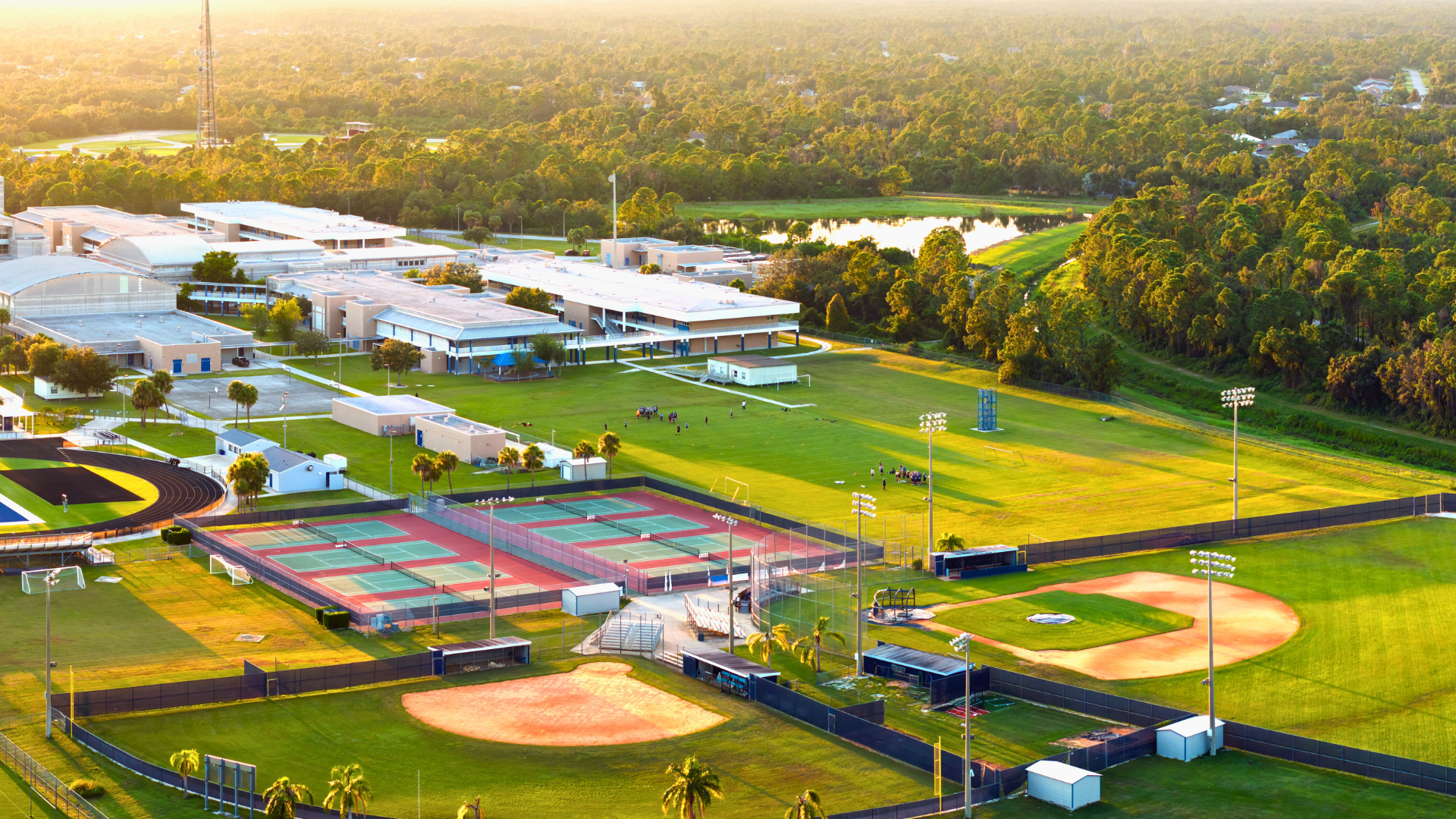
However, the relentless, year-round usage in a challenging Florida climate creates an immense, expensive battle for the St. Lucie County Parks & Recreation Department. The maintenance required to keep these heavily used fields safe, playable, and tournament-ready is a complex challenge relying on specialized knowledge, strategic funding, and crucial community volunteer efforts.
The Florida Field: Three Maintenance Challenges
Maintaining top-quality athletic fields in Port St. Lucie is a high-stakes endeavor due to specific environmental and utilization factors:
1. Soil Compaction in Sandy Florida Soil
Florida’s signature sandy soil is prone to severe compaction under the stress of constant foot traffic.
The Threat: Compaction drastically reduces soil oxygen and blocks water percolation, causing the turf’s roots to become shallow. This leads to dry, hard, uneven surfaces—a major safety hazard and a cause of poor drainage.
The Fix: Aggressive and frequent aeration (coring) is mandatory, especially in high-traffic zones like goal mouths and sidelines. This process breaks up the compacted soil, allowing water and nutrients to reach the roots and improving turf resiliency.
2. The Overuse vs. Rest Cycle
Unlike northern fields that benefit from a winter rest period, Port St. Lucie sports fields are used almost year-round. High usage leaves minimal recovery windows.
The Threat: Constant wear and tear prevents the Bermudagrass turf from recovering, leading to thinning turf, large bare patches, and an increased risk of player injury due to sliding and tripping hazards.
The Fix: Strict scheduling and mandatory rest periods are essential. Fields must be rotated, and Parks & Recreation sometimes implements seasonal closures for intensive renovation, including overseeding worn areas and deep fertilization to boost recovery.
3. Funding and Material Costs
Maintaining professional-grade natural turf requires massive, non-negotiable investments in specialized materials and equipment.
The Threat: Budget constraints limit the frequency of essential practices like fertilization, irrigation repairs, and pest/weed control, compromising field quality and long-term durability.
The Fix: Securing external grants (like the NFL Foundation Grassroots Program for football fields or local community grants) and leveraging public-private partnerships are crucial for funding capital improvements and major turf replacement projects.
5 Ways the Community Saves Our Sports Fields
The lifeblood of the South County Regional Sports Complex is the partnership between the city and the local community. Keeping the grass green requires more than just tax dollars:
Volunteer Work Days: Local leagues, parent groups, and community organizations dedicate weekends to helping with tasks the city staff cannot manage alone, such as clearing debris, weeding borders, and repairing bleachers.
Field Adoption Programs: Local businesses or organized youth leagues often “adopt” a specific field, contributing funds for targeted improvements like new netting, better scoreboards, or supplemental maintenance.
Local Fundraising: Community events, car washes, and raffles are constantly organized by youth sports organizations to directly fund equipment (like portable goals or practice nets) that reduce stress on the main fields.
Reporting Damage: Alert citizens and coaches act as the eyes and ears of the Parks Department, promptly reporting drainage issues, irrigation leaks, or unsafe field conditions, allowing for timely, cost-saving repairs.
Respecting Closures: The simple act of respecting scheduled maintenance closures and rest periods is perhaps the single greatest contribution the community can make to turf health and field safety.
Conclusion: Investing in the Future of Port St. Lucie
The South County Regional Sports Complex is a powerful driver of quality of life and youth development in Port St. Lucie. The challenges of heavy use and Florida climate are significant, requiring a maintenance budget far exceeding that of a typical park.
By continuing to prioritize specialized turf management practices from the UF/IFAS Extension research, actively securing grants for capital improvements, and fostering robust volunteer efforts, the community can ensure that these vital youth sports fields remain safe, functional, and an enduring source of pride for the entire Treasure Coast.