
The gleaming luxury and waterfront vitality of the Treasure Coast often overshadow a deeper, quieter history—a history etched in the struggles and triumphs of the area’s founding families. Few sites embody this forgotten narrative more profoundly than the Gomez Pioneer Cemetery in Hobe Sound, Martin County.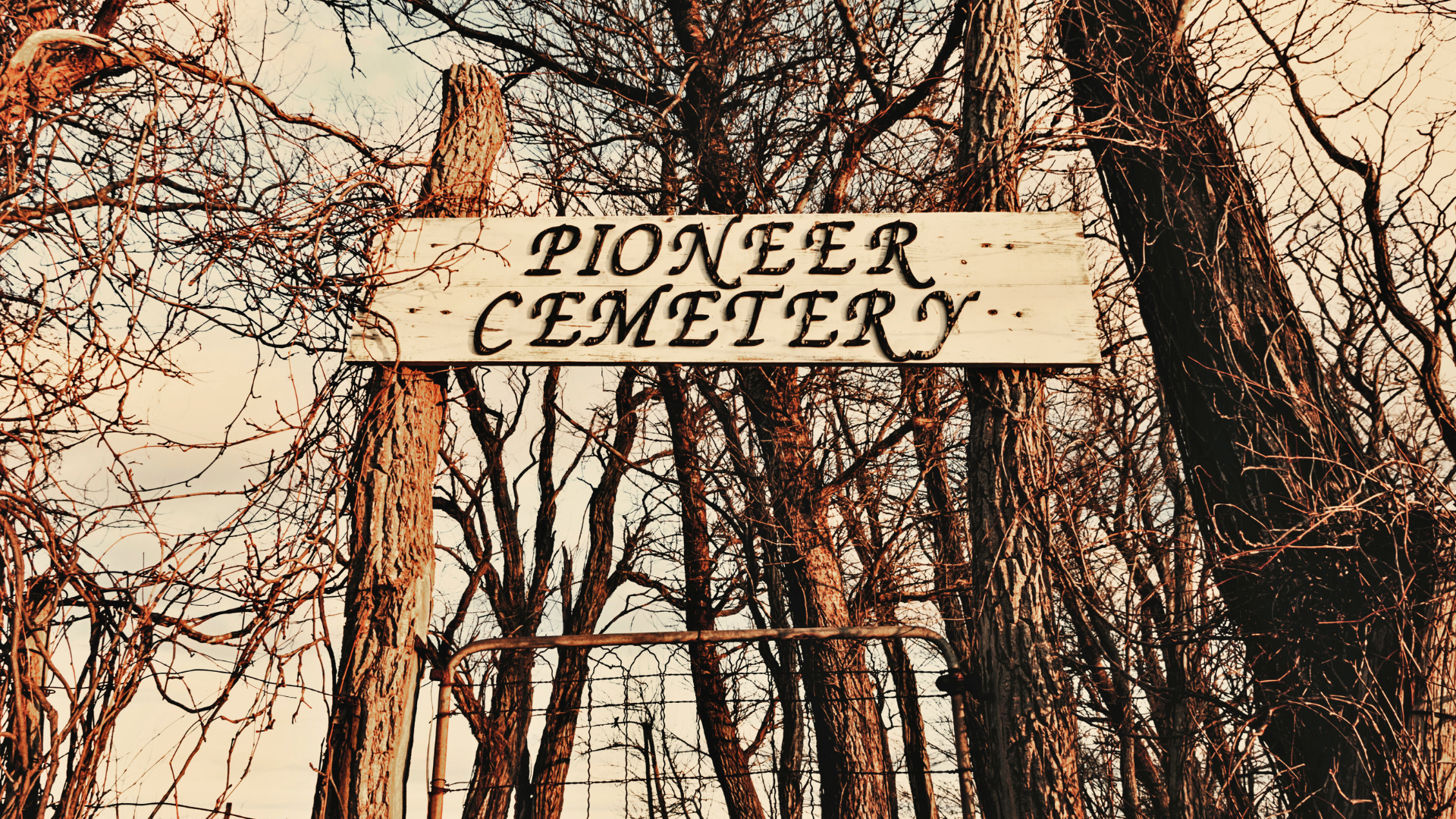
Once a manicured final resting place, the cemetery was slowly reclaimed by the dense Florida scrub following the destruction of its associated church decades ago. Today, thanks to dedicated local historians and community preservation groups, the cemetery is revealing the names of the men and women who were the true pioneers of the region.
The Cemetery’s Place in Early Hobe Sound
The Gomez Pioneer Cemetery is not just a collection of old markers; it is a direct lineage to the Black families who established crucial, self-sustaining communities in Martin County before the area achieved widespread recognition.
The Gomez Community: The area around the cemetery was part of the historic Gomez community, a vibrant hub that once centered around the African Methodist Episcopal (AME) Church, which established and maintained the burial grounds.
The Early Families: Graves within the cemetery date back to the late 1800s and early 1900s, bearing the surnames of the first pioneering families of Hobe Sound—names that were integral to the area’s development through farming, fishing, and supporting the nascent tourism industry.
Historical Significance: For local historians, this cemetery is invaluable. It helps chart migration patterns, provides concrete evidence of early land ownership, and offers powerful, personal stories about the challenges and mortality rates faced by early settlers.
The Challenge: Decades of Neglect
The site’s decline was accelerated by time and the elements. Without continuous care, the subtropical climate aggressively masked the past.
3 Major Obstacles to Preservation:
Overwhelming Vegetation: Decades of unchecked growth from saw palmetto, invasive vines, and large pine roots completely obscured the boundaries and led to the tilting and damage of original headstones.
Missing Markers: Many early graves were likely marked with simple wooden crosses or shells, which disintegrated over time, leaving large numbers of unmarked graves. Locating these requires the use of ground-penetrating radar (GPR).
Loss of Oral History: As the descendants of the interred pioneers moved away or passed on, the critical oral history that confirmed burial locations and family connections was lost, complicating restoration efforts.
The MOSES Project: Community-Driven Restoration
The revival of the Gomez Pioneer Cemetery is a shining example of modern Treasure Coast conservation. The M.O.S.E.S. Cemetery Preservation Project in Martin County has taken the lead, driving a sustained effort to restore dignity and recognition to the site.
| Preservation Strategy | Goal & Impact |
| Vegetation Removal | Carefully clearing the site to locate buried markers and prevent further damage from tree roots, making the grounds accessible and visible. |
| Genealogical Research | Cross-referencing death certificates, church records, and census data to accurately map the unmarked graves and restore names to the burial plots. |
| Headstone Restoration | Using historical preservation techniques to clean, repair, and stabilize fragile, damaged, or vandalized headstones, ensuring the inscriptions endure. |
| Community Education | Hosting annual remembrance programs and clean-up days to reconnect the public, especially local youth, with the cemetery’s hidden history. |
Conclusion: Connecting the Past to the Present
The fight to restore the Gomez Pioneer Cemetery is a powerful testament to the value of local history and the dedicated spirit of the Treasure Coast community. This forgotten space, once relegated to the deep woods, is now a beacon of remembrance.
By preserving this sacred ground, we are not just cleaning headstones; we are preserving the tangible proof of the earliest families who built Martin County. The history found here—in the dates, the names, and the soil—is the foundation beneath our modern homes, ensuring that the legacy of the true pioneers is never forgotten.