
The Indian River Lagoon (IRL), a 156-mile ribbon of water along Florida’s Atlantic coast, is more than just a waterway—it is the most biodiverse estuary in North America. Home to over 4,300 species, including endangered manatees, dolphins, and a vital nursery for ocean fisheries, the health of the IRL is directly tied to Florida’s ecology and economy. However, decades of pollution have pushed this natural wonder to a tipping point.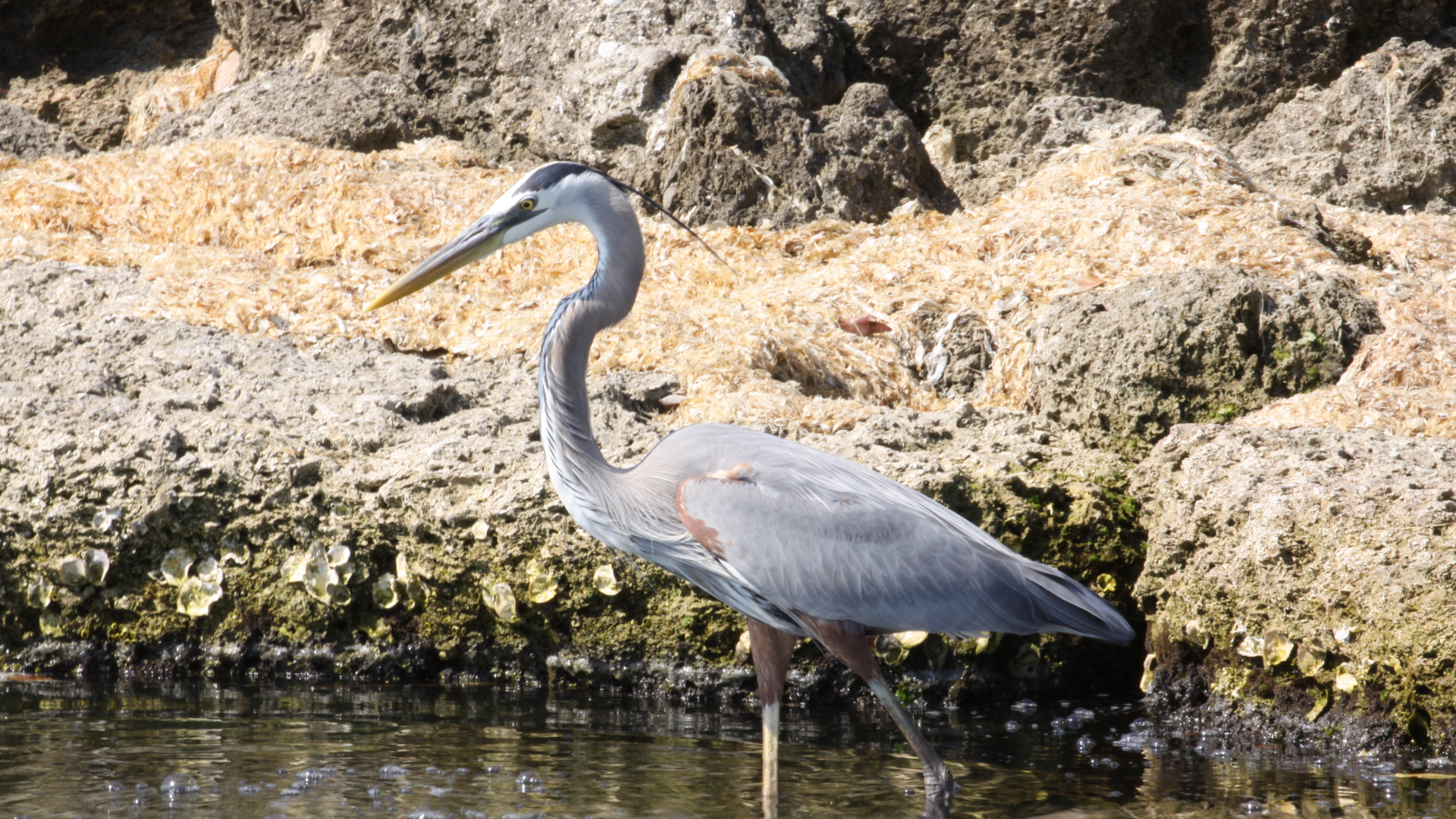
This first article in our series dives into the critical state of the lagoon, its profound ecological importance, and the coordinated conservation efforts that offer a glimmer of hope. We speak with the scientists, environmentalists, and dedicated local residents fighting on the front lines to restore this irreplaceable ecosystem.
The Plight of the IRL: Why Immediate Action is Critical
The primary threat to the lagoon’s health is the excessive influx of nutrients—nitrogen and phosphorus—from wastewater, failing septic tanks, and stormwater runoff. These pollutants fuel frequent, massive Harmful Algal Blooms (HABs), which block sunlight from reaching the essential seagrass beds.
“Seagrass is the lifeblood of the lagoon,” explains Dr. Elaine Baker, a marine biologist with the Florida Institute of Technology. “When you lose seagrass, you lose the habitat, the food source for manatees and turtles, and the natural filter that keeps the water clean. We’ve seen losses over 60% in some areas, leading to devastating manatee deaths.”
Adding to the problem is a layer of toxic, nutrient-rich sludge on the lagoon floor known as “muck.” This legacy pollution continually releases nutrients back into the water, perpetuating the cycle of algal blooms even if new pollution inputs are reduced.
The Critical Importance of the Indian River Lagoon
The IRL’s significance extends far beyond its boundaries. It is a massive economic engine and a linchpin for global biodiversity.
| Ecosystem & Economic Value | Impact on Florida and the World |
| Biodiversity Hub | Home to 35 threatened or endangered species; designated an Estuary of National Significance. |
| Economic Driver | Generates billions in revenue annually through tourism, fishing, boating, and recreation. |
| Natural Fishery | Serves as the primary nursery ground for numerous Atlantic Ocean fish species, supporting a multi-million dollar commercial and recreational fishing industry. |
| Coastal Protection | Mangrove forests and oyster reefs stabilize shorelines, providing natural defense against storm surge and erosion. |
| Manatee Sanctuary | A critical winter habitat and travel corridor for the North Atlantic manatee population. |
The Restoration Front: Efforts to Save the Lagoon
While the challenges are immense, a massive, multi-level effort is underway, combining science, technology, and community dedication. Brevard County’s Save Our Indian River Lagoon (SOIRL) program, funded by a local sales tax, is a model for regional restoration.
Five Key Conservation Strategies in the IRL
Muck Removal and Dredging: Utilizing specialized equipment to suction and remove millions of cubic yards of toxic muck from the lagoon bottom, effectively removing decades of built-up pollution. This is a primary focus for organizations like the St. Johns River Water Management District.
Septic-to-Sewer Conversions: Local governments are aggressively funding projects to connect homes on old septic systems to modern municipal sewer lines, drastically reducing the influx of raw sewage and nitrogen into the water table.
Living Shorelines and Oyster Reefs: Organizations like the Brevard Zoo’s Restore Our Shores program and the Florida Oceanographic Society are building and restoring oyster reefs using recycled shell. Oysters are natural filter feeders, with a single oyster filtering up to 50 gallons of water per day, and their reefs create vital habitat.
Seagrass Restoration and Monitoring: Scientific teams, including researchers from the Indian River Lagoon National Estuary Program (IRLNEP), are planting seagrass plugs in areas where water quality shows signs of improvement, and using high-tech sensors to monitor water conditions constantly.
Stormwater Management: Implementing green infrastructure like stormwater retention ponds and natural filtration systems to treat and filter polluted runoff before it reaches the lagoon.
A Voice from the Community
“We can’t rely on the government alone,” says Maria Rodriguez, a long-time resident and volunteer with a local cleanup group. “I take a kayak out every weekend to collect trash, and I’ve converted my entire lawn to Florida-friendly landscaping. Every single yard that stops using fertilizer is a victory for the lagoon. It’s personal—this is our backyard.”
Conclusion: A Long Road to Recovery
The health of the Indian River Lagoon is a measure of our collective environmental stewardship. Recent reports indicate localized improvements, particularly in areas where major muck dredging and nutrient reduction projects have been completed, offering a crucial sign that the restoration efforts are beginning to pay off.
Yet, scientists warn that full recovery will be a marathon, not a sprint, requiring continued, aggressive funding and community commitment for at least another decade. The future of manatees, ocean fish, and Florida’s vital coastal economy depends on the sustained success of these programs. By supporting local conservation organizations and making conscious choices to reduce nutrient pollution, every resident becomes a steward in the ongoing, urgent mission to save this national treasure.