
Port St. Lucie, nestled on Florida’s beautiful Treasure Coast, is no stranger to hurricane season. Protecting your home from high winds and flying debris is paramount, and hurricane shutters are a crucial line of defense. While permanent, professionally installed solutions like roll-downs or accordions offer convenience and robust protection, understanding DIY options like storm panels or plywood can be a valuable skill for quick, temporary deployment.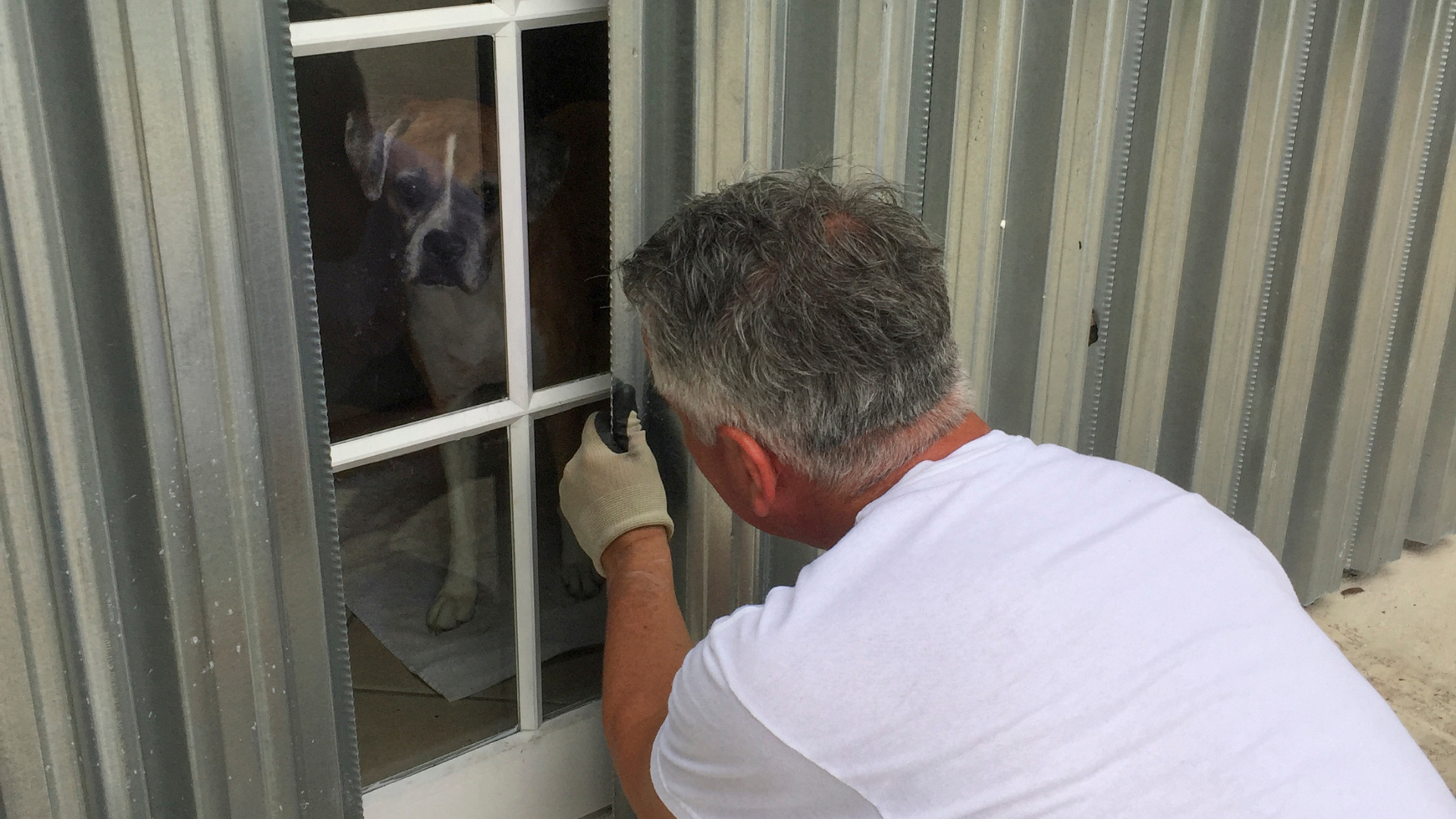
This article will walk Port St. Lucie homeowners through the basics of DIY hurricane shutter installation, focusing on common types suitable for homeowner-led efforts. We’ll cover essential steps, key considerations, and why proper preparation is vital for storm preparedness.
Your DIY Hurricane Shutter Checklist: Types & Installation Basics
Before any storm threatens, Port St. Lucie homeowners should familiarize themselves with the available DIY-friendly hurricane shutter types and their installation nuances.
Storm Panels (Metal or Polycarbonate):
What they are: These are corrugated (or flat) panels made from steel, aluminum, or clear polycarbonate (Lexan). They are removable and stored when not in use.
DIY Suitability: Highly suitable for DIY. They are one of the most economical options. Installation involves bolting them into pre-installed tracks or fasteners around your windows and doors.
Installation Basics:
Measurement is Key: Accurately measure each window and door opening. Panels are custom-sized to fit.
Hardware Installation: You’ll need to permanently install an “H” header (top track) and a studded angle (bottom track) or individual barrel bolt anchors around each opening. This initial setup usually involves drilling into your home’s exterior.
Panel Deployment: When a storm approaches, you slide the panels into the top track, align the bottom holes over the studs, and secure them with wingnuts or clips. Panels are typically overlapped for maximum protection.
Pros: Economical, removable (can be stored), offer strong protection when correctly installed. Clear panels allow light.
Cons: Require storage space, can be heavy and sharp (wear gloves!), time-consuming to deploy, and aesthetically less appealing than permanent options.
Plywood Shutters:
What they are: Large sheets of at least 5/8-inch thick exterior-grade plywood cut to fit your window and door openings.
DIY Suitability: The least expensive and most basic DIY hurricane protection. Requires significant manual effort and tools.
Installation Basics:
Measure & Cut: Measure openings precisely and cut plywood panels to extend beyond the opening by at least 4 inches on all sides.
Mark & Drill: Mark and pre-drill holes on the plywood and corresponding spots on your home’s exterior frame or studs (using lag bolts, barrel bolts, or a similar anchoring system). It’s crucial to ensure the mounting points are securely anchored into the house’s framing, not just stucco or siding.
Installation: Before a storm, position the plywood over the opening and secure it with the chosen bolts/fasteners.
Pros: Very low cost, readily available.
Cons: Heavy, cumbersome to install, require significant storage space, offer less impact resistance than engineered shutters, and are not typically hurricane-rated. They also block all light.
Essential DIY Hurricane Shutter Installation Steps & Considerations:
For either storm panels or plywood, proactive steps are crucial for Port St. Lucie homeowners:
Assess and Measure All Openings:
Accurate measurements are paramount. Every window and door needs precise dimensions for proper coverage. Record these meticulously, numbering each opening and corresponding panel.
Consider any obstructions like light fixtures or railings.
Choose Your Mounting Method:
For storm panels, this involves installing “H” headers, “U” channels, or individual anchors. Ensure these are securely fastened to your home’s structure (studs, concrete, block) according to manufacturer instructions.
For plywood, choose a robust bolting system (e.g., concrete anchors, barrel bolts) that can withstand hurricane-force winds.
Gather Tools & Supplies:
You’ll need a power drill (with appropriate bits for masonry/wood), measuring tape, level, markers, safety glasses, heavy-duty gloves, and all necessary fasteners (bolts, wingnuts, clips, screws).
If cutting plywood, you’ll need a saw.
Pre-Drill & Label (Crucial for Speed!):
Install all permanent mounting hardware (tracks, anchors, bolts) well before hurricane season.
Crucially, label each panel with the corresponding window/door number. This saves invaluable time and stress when a storm is imminent.
Practice installing at least one panel in calm weather to ensure everything fits correctly and you understand the process.
Storage Solution:
Both storm panels and plywood require significant storage space. Plan where you’ll keep them – garage, shed, or dedicated storage unit – ensuring they are dry and easily accessible.
Understand Local Codes & HOA Rules:
While DIY for temporary solutions is common, always check Port St. Lucie building codes and your specific HOA regulations. Some HOAs may have restrictions on the type of shutters allowed, colors, or how long panels can remain installed after a storm.
For permanent shutter installations (like accordion or roll-downs), professional installation is generally required by Florida law to ensure compliance with the Florida Building Code and to obtain necessary permits and inspections. Improperly mounted shutters can become dangerous projectiles.
Conclusion:
DIY hurricane shutter installation for types like storm panels or plywood offers Port St. Lucie homeowners an accessible and often more economical path to hurricane preparedness. While they demand physical effort and storage space, they provide essential protection during a storm. However, remember that for convenience and optimal protection, especially with permanent hurricane-rated shutters, professional installation ensures compliance with rigorous Florida Building Code standards. By being proactive, understanding your options, and preparing well in advance, you can significantly enhance your home’s storm readiness and safeguard your investment on the Treasure Coast. Don’t wait until the last minute – your peace of mind is worth the preparation.