
Living on Florida’s beautiful Treasure Coast offers endless sunshine, stunning waterways, and a vibrant lifestyle. However, our warm, humid climate, while perfect for outdoor living, also provides ideal conditions for a less welcome resident: termites. These silent destroyers can cause extensive and costly damage to your home before you even realize they’re there. From the aggressive Formosan termites to common subterranean and drywood species, every homeowner on the Treasure Coast faces this constant threat.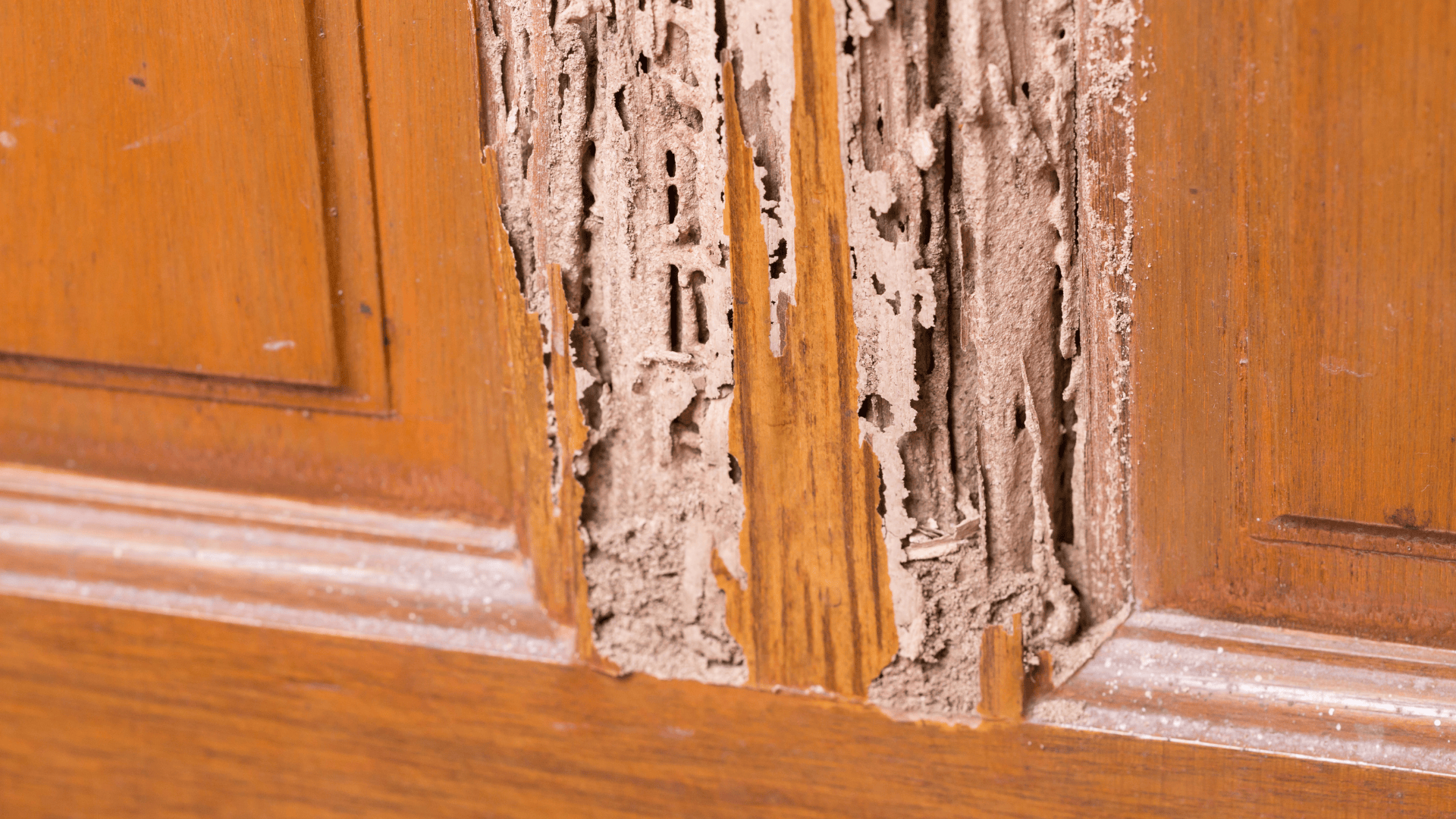
This article is your essential guide to proactive termite prevention for your Treasure Coast home. We’ll delve into the most common types of termites in our region, highlight crucial warning signs, and arm you with actionable tips and strategies to protect your biggest investment. Don’t wait until the damage is done; learn how to fortify your home against these persistent pests and maintain your peace of mind in paradise.
Fortifying Your Foundation: Essential Termite Prevention Tips for Treasure Coast Homes
Preventing a termite infestation is far less costly and stressful than treating one. Here are key proactive steps every homeowner should take:
Eliminate Moisture and Drainage Issues:
Repair Leaks Promptly: Termites, especially subterranean species, are highly attracted to moisture. Fix leaky pipes, faucets, and air conditioning units immediately.
Ensure Proper Drainage: Make sure your gutters and downspouts direct water away from your home’s foundation. Grade your landscaping so that water flows away from the house, preventing pooling.
Address Condensation: Ensure your attic and crawl spaces are well-ventilated to prevent moisture buildup, which can attract dampwood termites.
Why it helps: Moisture is a primary attractant and survival requirement for most termite species. Removing it makes your home less hospitable.
Reduce Wood-to-Soil Contact:
Create a Barrier: Ensure that no wood parts of your home (siding, doorframes, window frames) are in direct contact with the soil. Maintain at least a 6-inch gap between soil and any wood structures.
Elevate Wood: Store firewood, lumber, and other wood debris on elevated structures and at least 20 feet away from your home’s foundation.
Trim Vegetation: Keep shrubs, trees, and other plants trimmed back from your home’s exterior walls to allow for air circulation and easy inspection. Mulch should also be kept several inches away from the foundation.
Why it helps: Direct wood-to-soil contact provides easy entry points and a direct food source for subterranean termites.
Seal Entry Points and Cracks:
Inspect Your Foundation: Regularly inspect your home’s foundation, slab, and exterior walls for cracks, crevices, or small openings.
Seal Gaps: Use concrete caulk or sealant to close any cracks in the foundation, around utility pipes, and where wood meets concrete. Termites can squeeze through incredibly tiny gaps.
Check Windows and Doors: Ensure window and door frames are properly sealed and that screens are intact.
Why it helps: Sealing entry points physically blocks termites from accessing your home’s structure.
Regular Professional Inspections: Your Best Defense:
Annual Check-ups: Even if you don’t see signs of termites, schedule annual professional termite inspections by a licensed pest control company specializing in Treasure Coast homes.
Early Detection: Experts can identify subtle signs of termite activity (like mud tubes, frass, or hollow-sounding wood) that often go unnoticed by homeowners until significant damage has occurred. They can also identify conducive conditions.
Why it helps: Professional inspections are crucial for early detection, which is key to preventing extensive and expensive structural damage.
Consider Proactive Treatment Options:
Baiting Systems: Systems like Sentricon are popular in Florida. They involve strategically placed bait stations around your property that attract foraging termites. Termites consume the bait and share it with the colony, eventually eliminating the entire colony, including the queen. This provides ongoing protection.
Liquid Barrier Treatments: These involve applying a liquid termiticide around the perimeter of your home, creating an invisible barrier that termites cannot penetrate. Some products also have a “transfer effect” that termites carry back to the colony.
Pre-Construction Treatments: If you’re building a new home on the Treasure Coast, always ensure a professional pre-construction termite treatment is applied to the soil before the slab is poured.
Why it helps: These treatments offer a proactive shield, either by eradicating colonies before they reach your home or by creating an impenetrable defense.
Be Aware of Termite Swarmers and Signs of Infestation:
Know the Signs: Be vigilant for signs like mud tubes (pencil-sized tunnels on walls or foundations), discarded wings (especially near windows or light sources, often after a rain), hollow-sounding wood when tapped, bubbling paint, or small piles of “frass” (termite droppings that look like sawdust or coffee grounds).
Swarming Season: In Florida, subterranean termites often swarm in the spring and summer after rain, typically during the day. Drywood termites tend to swarm from May to November, often at night. Seeing swarmers is a clear indication of a nearby established colony.
Why it helps: Recognizing the signs early can prompt immediate action, limiting the extent of damage.
Conclusion:
Living in paradise on the Treasure Coast comes with the responsibility of protecting your home from the ever-present threat of termites. While these pests can cause immense damage, proactive prevention is your most powerful tool. By addressing moisture, eliminating wood-to-soil contact, sealing entry points, scheduling regular professional termite inspections, and considering targeted treatment options, you can significantly reduce your risk. Don’t let termite troubles turn your dream home into a nightmare. Be vigilant, be proactive, and ensure your Treasure Coast oasis remains beautiful, strong, and termite-free for years to come.