
The Treasure Coast of Florida is more than just beautiful beaches and charming towns; it’s a watery graveyard of history, holding secrets beneath its sparkling surface. This region, aptly named for the Spanish galleons that met their fate here centuries ago, offers a truly unique opportunity for adventurers and history buffs alike: snorkeling among sunken treasures and historic shipwrecks.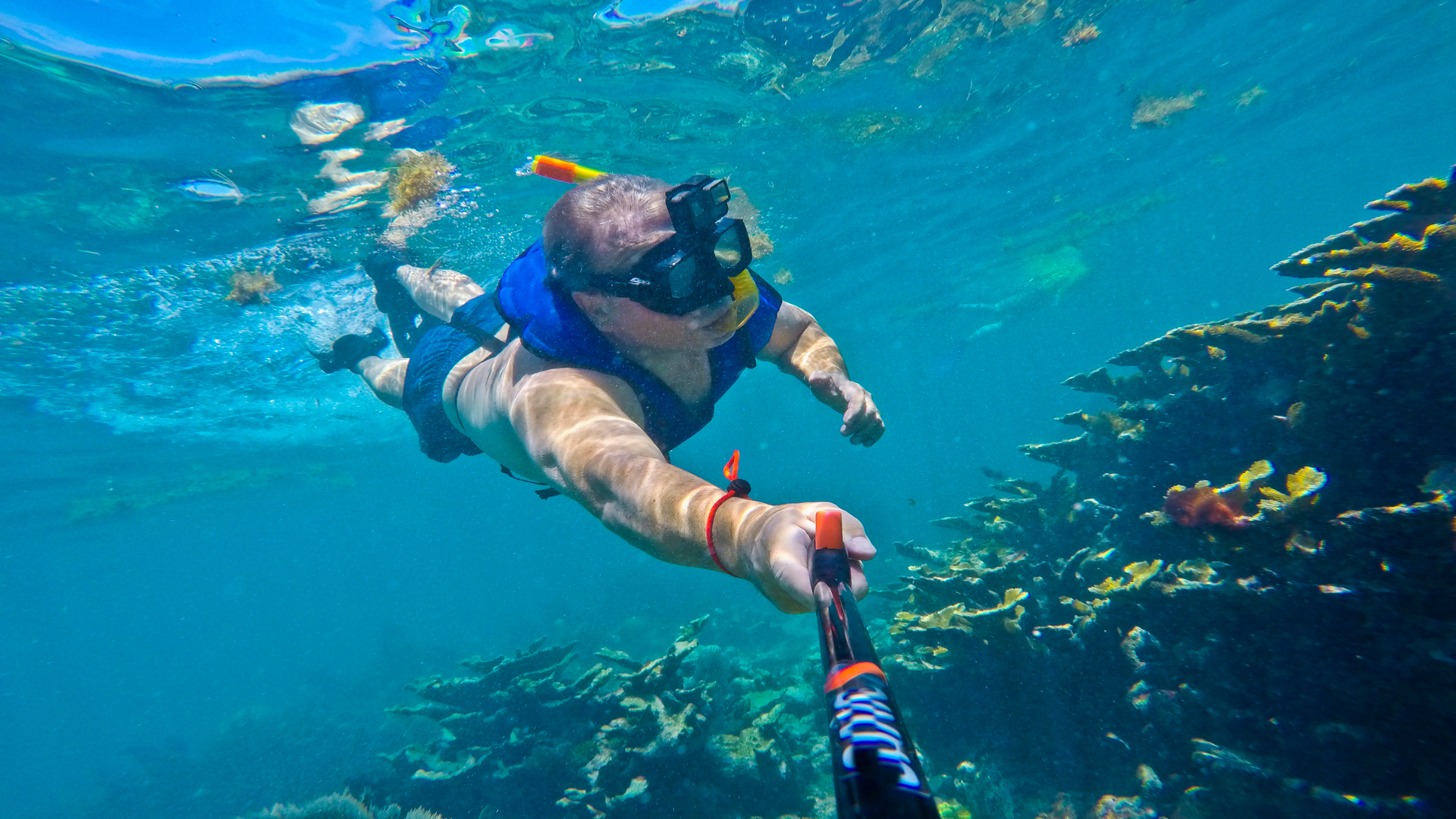
Imagine gliding through the clear, shallow waters, sunlight dappling the remains of a centuries-old vessel. On the Treasure Coast, this isn’t just a diver’s dream – many of these fascinating underwater sites are accessible to snorkeling enthusiasts, offering a glimpse into a dramatic past where gold, silver, and the vast Atlantic Ocean collided. This guide will help you discover the incredible underwater history waiting just offshore.
Unveiling the Depths: Top Snorkeling Spots for Shipwrecks on the Treasure Coast
While the lure of glittering gold from the infamous 1715 Spanish Fleet is what gave the Treasure Coast its name, the true riches for snorkelers lie in the accessible, historical shipwrecks that now host vibrant marine ecosystems. Here are some prime locations to explore:
The Urca de Lima (Fort Pierce, Hutchinson Island):
- History: This wooden-hulled Spanish cargo ship was part of the ill-fated 1715 Plate Fleet, wrecked by a hurricane. It’s renowned as Florida’s first Underwater Archaeological Preserve.
- Snorkeling Appeal: Lying in just 10-15 feet of water, about 200 yards offshore from Pepper Beach Park, the Urca de Lima is incredibly accessible.<!–> While the original treasure was salvaged centuries ago, you can explore the preserved wooden hull structure, ballast stones, and replicas of cannons.
- Marine Life: The wreck serves as an artificial reef, teeming with tropical fish, sea turtles, and various corals.
- The Georges Valentine (Stuart, Hutchinson Island):
- History: An Italian barquentine (sailing vessel) that sank in a storm in 1904. It’s Martin County’s only underwater archaeological preserve.
- Snorkeling Appeal: The Georges Valentine rests in remarkably shallow water, only about 100 yards offshore from the House of Refuge Museum in Stuart. Portions of the wreck, including its boiler and parts of the hull, are visible and easily explored by snorkelers.
- Marine Life: Expect to see a variety of reef fish, sponges, and potentially larger species like snook.
The Paddle Wheeler Wreck (Fort Pierce Inlet State Park):
History: The remains of a 19th-century Civil War-era paddlewheel steamship.
Snorkeling Appeal: Located about 100 yards offshore of Fort Pierce Inlet State Park Beach in 15-20 feet of water. On calm, clear days, parts of the boiler and wood ribs are visible, offering another historical snorkeling opportunity.
Natural Reefs & Rock Formations (Beyond the Wrecks):
Bathtub Reef (Stuart/Jensen Beach): While not a shipwreck, this incredibly popular worm reef at Bathtub Beach offers calm, clear waters ideal for families and beginners. It’s a living, breathing natural “wreck” that attracts abundant marine life.
Coral Cove Park (Jupiter Island, just south of Treasure Coast): Known for its extensive natural limestone rock formations right at the beach, attracting a diverse range of sea life.
Tips for a Safe and Respectful Underwater Exploration:
Visibility is Key: Optimal snorkeling conditions occur on calm days with minimal wind and an incoming high tide, which often brings in clearer ocean water. Summer months generally offer the best visibility.
Gear Up: Bring your mask, snorkel, fins, and a rash guard for sun protection and light warmth. A “diver down” flag is legally required if you’re not with a tour operator.
Respect the History: These are protected archaeological sites. Do not touch, move, or remove any artifacts or parts of the wreck. Look, but don’t disturb.
Marine Life Etiquette: Maintain a respectful distance from all marine life. Do not touch or feed fish, turtles, or any other creatures.
Know Your Limits: Always snorkel with a buddy, stay aware of currents, and do not venture beyond your comfort or skill level.
Conclusion:
The Treasure Coast truly lives up to its name, offering a rare fusion of natural beauty and captivating history beneath the waves. Snorkeling the shipwrecks here is not just an activity; it’s an immersive journey into Florida’s maritime past, where the echoes of ancient voyages mingle with the vibrant pulse of modern marine life. From the infamous 1715 Fleet to more recent historical vessels, these sunken treasures provide an accessible and unforgettable underwater history lesson. So grab your gear, respect the past, and dive into an adventure only on the Treasure Coast!