
Owning a waterfront property is a dream for many, offering direct access to marine recreation and stunning views. But for those with a private dock in brackish water environments – where freshwater meets saltwater – this prized amenity comes with unique challenges. The relentless forces of nature, particularly the corrosive blend of salts and minerals, can rapidly degrade your dock. Fear not, waterfront property owners! This guide to DIY dock maintenance for beginners will empower you to protect your significant waterfront investment and extend the life of your valuable asset from the inevitable brackish water woes.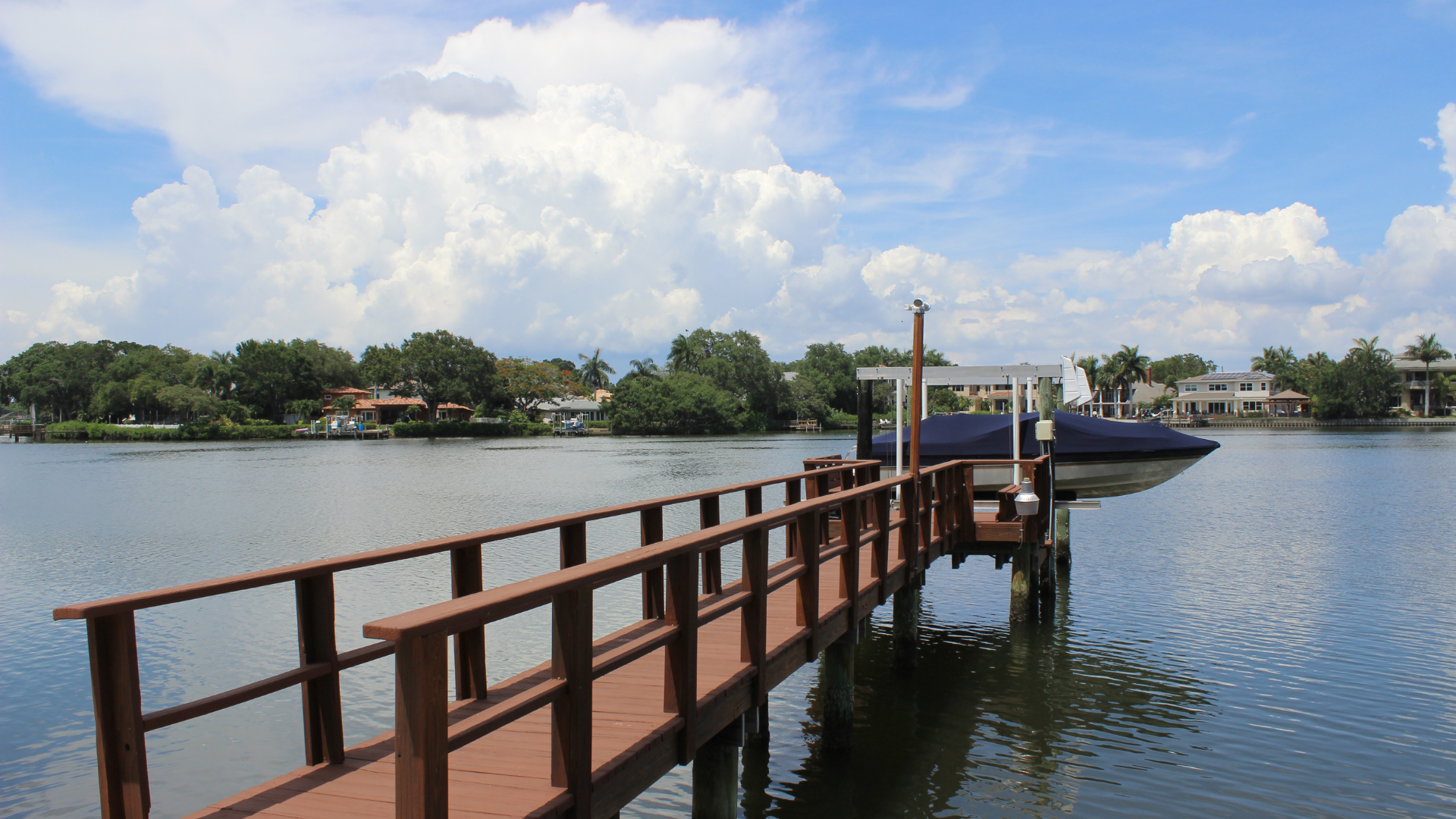
Brackish water presents a particularly aggressive environment for any structure, including docks. The fluctuating salinity levels, combined with constant exposure to sun, rain, and marine organisms, demand proactive and consistent care. Neglecting regular dock maintenance can lead to costly repairs, structural instability, and a diminished enjoyment of your coastal property. By understanding the basics and committing to a routine, you can ensure your dock remains safe, functional, and beautiful for years to come.
Essential DIY Dock Maintenance Tips for Battling Brackish Water:
Here’s a list of beginner-friendly tasks to safeguard your waterfront investment:
Regular Cleaning is Key:
- Rinse Frequently: After each use, or at least weekly, thoroughly rinse your entire dock with fresh water. This washes away corrosive salt spray and helps prevent the buildup of marine growth like barnacles and algae.
- Scrub Away Marine Organisms: Use a stiff brush (or even a pressure washer on a low setting for composite/concrete) to remove barnacles, mussels, and other marine organisms from pilings, crossbeams, and underwater surfaces. These organisms can weaken structures over time.
Inspect for Wear and Tear:
- Routine Checks: At least monthly, walk your entire dock, looking for loose fasteners, splintering wood, cracked concrete, or signs of rust on metal components.
- Underwater Inspection (if safe): If possible and safe, inspect pilings below the waterline for rot, marine borer activity (small holes), or significant deterioration. Early detection saves major repair costs.
Prevent Metal Corrosion with Sacrificial Anodes:
- Zinc Anodes: For any submerged metal components like boat lifts, ladders, or structural steel, attach zinc anodes (also known as sacrificial anodes). These inexpensive blocks of zinc will corrode instead of your dock’s metal, protecting it from saltwater corrosion and galvanic corrosion.
- Regular Replacement: Inspect zinc anodes annually and replace them when they are about 50% consumed.
Protect Wood and Composite Materials:
- Wood Sealing/Staining: For wood docks, apply a marine-grade sealant or stain every 1-3 years, depending on exposure. This protects against UV damage, rot, and water absorption. Choose products designed for harsh marine environments.
- Composite Decking Care: While more resistant to rot, composite decking still needs cleaning to prevent mildew and algae growth. Follow manufacturer recommendations for cleaning and stain removal.
Check and Secure Fasteners:
- Tighten Bolts and Screws: Use a wrench or screwdriver to periodically tighten any loose nuts, bolts, or screws. Loose connections can lead to structural weakness and accelerated wear.
- Use Marine-Grade Hardware: When replacing fasteners, always use marine-grade materials like stainless steel (316 grade is best for saltwater) or hot-dipped galvanized steel to resist corrosion.
Manage Dock Lines and Fenders:
- Inspect Lines: Regularly check dock lines for fraying or wear. Replace them before they break.
- Position Fenders Correctly: Ensure boat fenders and bumpers are properly positioned to prevent boats from rubbing against and damaging the dock structure.
Inspect Lighting and Electrical Components:
- Check Wiring: For docks with lighting or electrical outlets, routinely inspect wiring for any signs of fraying, cracking, or exposure.
- Ensure Waterproofing: Verify that all electrical boxes, outlets, and submersible lights are properly sealed and waterproofed. Loose connections or exposed wiring pose significant safety risks.
Remove Debris Promptly:
- Clear Floating Debris: Remove any floating debris, such as logs, seaweed, or trash, that might accumulate around pilings or get caught under the dock. This prevents damage during tides or storms.
- Clear Walkways: Keep the dock surface clear of tripping hazards like loose ropes, tools, or unstable items to maintain dock safety.
The Long-Term Dividend: Proactive Dock Care for Your Waterfront Haven:
Embracing a proactive approach to DIY dock maintenance in brackish water isn’t just about chores; it’s about safeguarding your lifestyle and your property value. Consistent effort pays dividends in the form of extended dock life, reduced repair costs, and uninterrupted enjoyment of your waterfront property.
Conclusion:
Living on the Indian River Lagoon or any brackish water environment offers unparalleled beauty, but it demands diligent care for your waterfront investment. By implementing these straightforward DIY dock maintenance for beginners tips, you can effectively combat the challenges posed by salinity and marine life. Proactive dock protection ensures the longevity of your structure, allowing you to continually enjoy the unique benefits of coastal living and truly protect your waterfront property value for years to come.