
The Indian River Lagoon is more than just a waterway; it’s a vibrant, interconnected ecosystem that defines the lives and landscape of Florida’s central east coast. For residents living along its shores, an increasing number are embracing sustainable living practices, driven by a deep commitment to preserving this unique natural treasure. This article delves into the diverse local initiatives and invaluable resources available for eco-conscious residents striving to protect and enhance the health of the Indian River Lagoon.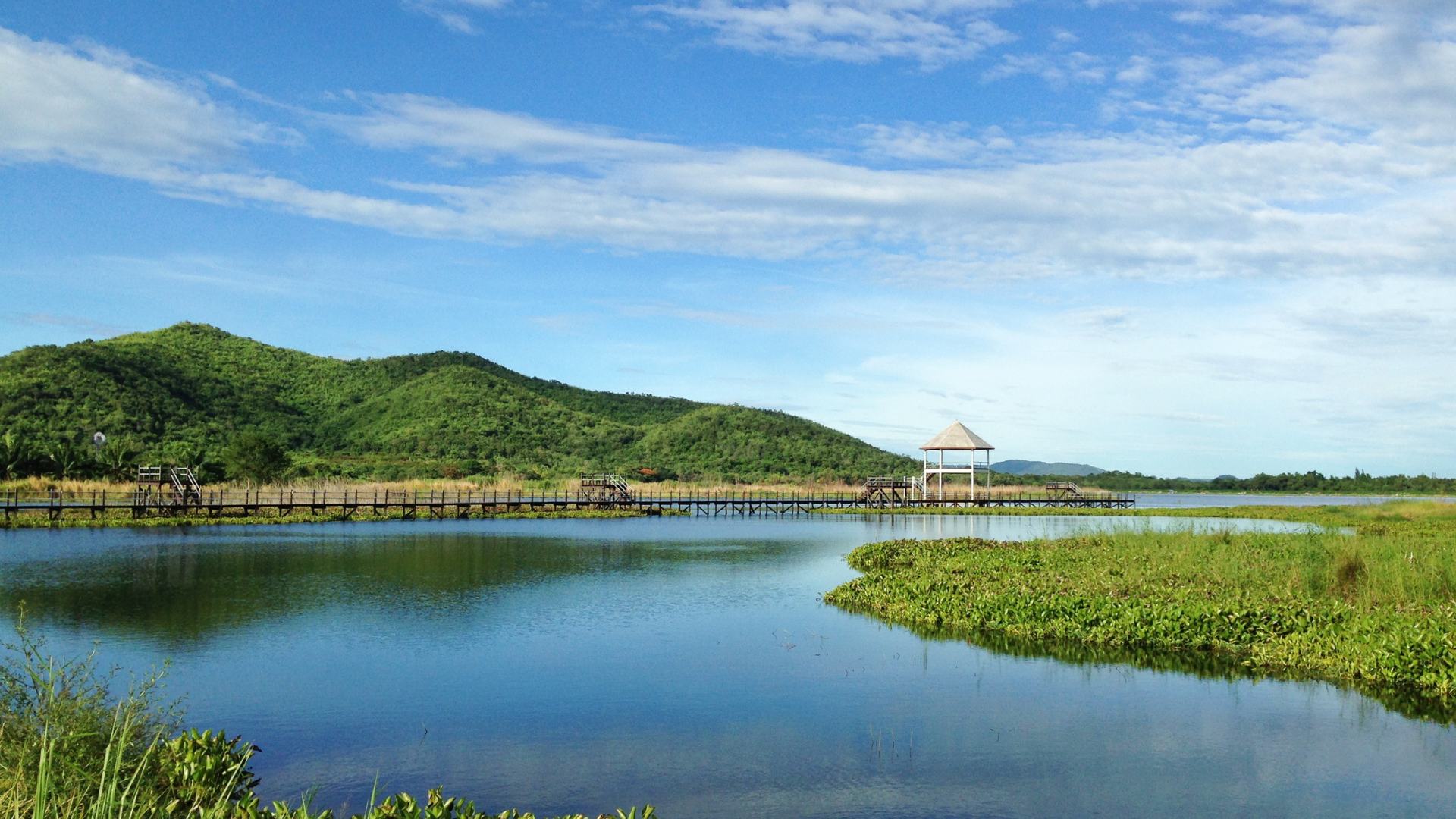
The health of the Indian River Lagoon is paramount, facing challenges from stormwater runoff, pollution, and habitat loss. However, a powerful current of change is building, fueled by a collective desire for environmental preservation. From grassroots organizations to government programs and innovative businesses, the Treasure Coast and surrounding areas offer a wealth of opportunities for individuals to make a tangible difference, transforming daily habits into powerful acts of conservation.
Nurturing Our Waters & Land: Key Sustainable Living Initiatives & Resources:
Here’s a list of vital areas where eco-conscious residents can engage and find support for sustainable living on the Indian River Lagoon:
Water Quality & Conservation Programs:
- Local Government Initiatives: Many local municipalities offer free or subsidized programs for rain barrels, low-flow fixtures, and rebates for water-efficient appliances to reduce residential water use and stormwater runoff into the Lagoon.
- Stormwater Management Education: Community workshops teach residents how to minimize fertilizer use, manage pet waste, and implement pervious landscaping to prevent pollutants from entering the Lagoon.
- Citizen Science Monitoring: Organizations like the Marine Resources Council or local university extension offices often engage volunteers in water quality testing, providing crucial data on the Lagoon’s health.
Native Landscaping & Florida-Friendly Yards:
- UF/IFAS Extension Offices: These local offices provide invaluable resources on Florida-Friendly Landscaping™ principles, offering plant lists, workshops, and advice on selecting native plants that require less water, fertilizer, and pesticides, thereby protecting the Lagoon.
- Native Plant Nurseries: Specialty nurseries in the region supply a wide variety of native plants suitable for different soil types and conditions, encouraging biodiversity and reducing irrigation needs.
- Mangrove Restoration Projects: Local environmental groups frequently organize volunteer days for planting mangroves, vital coastal plants that filter water, stabilize shorelines, and provide critical habitat.
Waste Reduction & Recycling Efforts:
- Enhanced Recycling Programs: Many counties along the Lagoon have expanded curbside recycling to include more materials, and public drop-off centers for challenging items like electronics, household hazardous waste, and textiles are becoming more common.
- Composting Workshops: Community gardens and environmental groups often host workshops on backyard composting, turning food scraps and yard waste into nutrient-rich soil amendment, reducing landfill waste.
- “Skip the Straw” & Reusable Campaigns: Local businesses and non-profits advocate for reducing single-use plastics through campaigns promoting reusable bags, water bottles, and dining ware, directly impacting marine pollution.
Energy Efficiency & Renewable Resources:
- Energy Audit Programs: Local utility companies and government initiatives may offer free or low-cost home energy audits to identify areas for improvement and reduce household energy consumption.
- Solar Energy Incentives: Information and resources are available for residents interested in installing solar panels, including details on federal tax credits and potential local incentives to promote renewable energy adoption.
- Electric Vehicle (EV) Charging Infrastructure: The increasing presence of public and private EV charging stations supports sustainable transportation choices, reducing reliance on fossil fuels.
Eco-Tourism & Responsible Recreation:
- Guided Kayak/Paddleboard Tours: Local outfitters offer guided tours that educate participants about the Lagoon’s ecosystem, wildlife, and the importance of responsible recreation, minimizing disturbance to sensitive habitats.
- Marine & Wildlife Sanctuaries: Designated areas along the Lagoon provide protected spaces for marine life and birds, often with educational centers and viewing platforms for passive enjoyment and learning.
- Boating Best Practices: Resources are available from marine agencies and environmental groups on safe boating, propeller avoidance zones for manatees, and responsible waste disposal to protect the Lagoon’s waters and inhabitants.
Community Engagement & Advocacy:
- Environmental Non-Profits: Numerous local organizations (e.g., Indian River Lagoon National Estuary Program, Coastal Conservation Association) actively work on restoration, education, and advocacy, offering volunteer opportunities and community events.
- Local Government Environmental Advisory Boards: Residents can participate in local government meetings and advisory boards to voice concerns and contribute to policy decisions impacting the Lagoon.
- Educational Workshops & Seminars: Regular public events cover topics like Lagoon ecology, sustainable gardening, invasive species removal, and citizen advocacy, empowering residents with knowledge.
A Collective Current: Charting a Sustainable Future for the Indian River Lagoon:
The commitment of eco-conscious residents and the widespread availability of local initiatives and resources are fundamental to the long-term health of the Indian River Lagoon. By actively engaging in these sustainable practices, the community is not just protecting a waterway, but cultivating a more resilient, vibrant, and responsible way of life.
Conclusion:
Sustainable living on the Indian River Lagoon is a growing movement, deeply supported by a network of dedicated local initiatives and accessible resources. From conserving precious water and nurturing native landscapes to reducing waste and advocating for cleaner waters, every action taken by eco-conscious residents contributes to a healthier Lagoon ecosystem and a more vibrant future. Embracing these practices is not just about environmental stewardship; it’s about safeguarding the very essence of what makes living along the Indian River Lagoon a truly unique and cherished experience for generations to come.