
For decades, the scent of blooming citrus defined the landscape of Western St. Lucie County, Florida. Lush citrus groves stretched across the horizon, a testament to the region’s agricultural heritage. However, economic shifts and evolving land use priorities are leading to a significant transformation: the vanishing citrus groves are being repurposed into distinctive residential developments. This article explores this fascinating transition, highlighting how former agricultural land is giving rise to unique living opportunities in Western St. Lucie County, attracting new residents while subtly reshaping the area’s identity.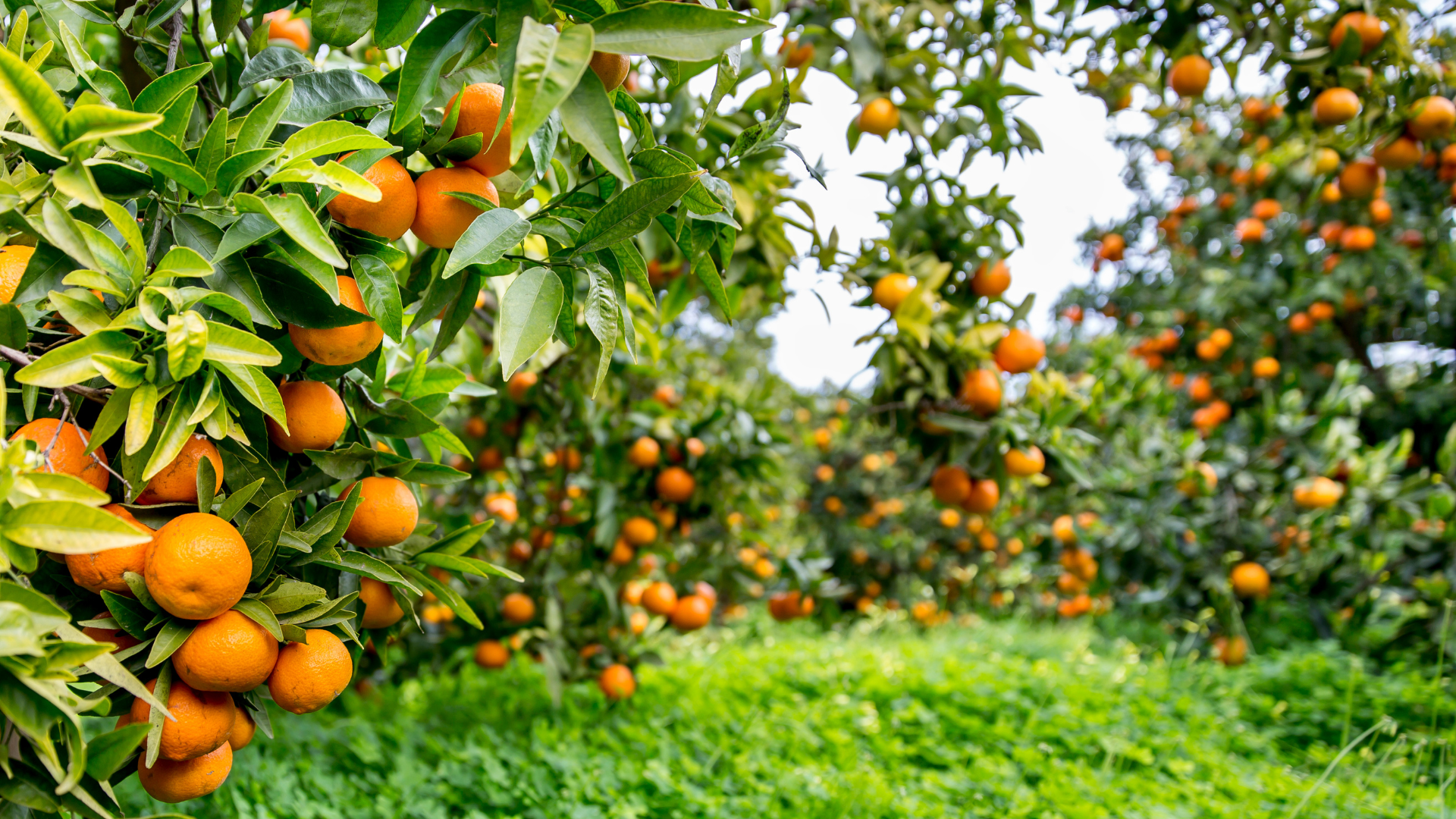
The story of Western St. Lucie County is deeply intertwined with its citrus groves. These sprawling agricultural lands not only contributed significantly to the local economy but also shaped the character and pace of life in the region. Now, as market forces and a growing demand for housing converge, these once-dominant landscapes are undergoing a metamorphosis, paving the way for innovative and thoughtfully designed residential developments.
The Repurposing of Paradise: Unique Residential Developments Emerging from Former Citrus Groves:
Here are some key ways former citrus grove land is being reimagined into compelling residential developments in Western St. Lucie County:
- Large Lot Estate Homes: The expansive acreage of former citrus groves lends itself perfectly to the creation of estate-style homes on larger lots. These developments often emphasize privacy, space, and a connection to the remaining natural beauty of the land, appealing to those seeking a more secluded Western St. Lucie County lifestyle.
- Master-Planned Communities with Green Spaces: Developers are often incorporating the existing natural elements of the former citrus groves into master-planned communities. This includes preserving mature trees, creating greenbelts, and designing walking trails that weave through the landscape, offering residents a blend of community living and natural surroundings in Western St. Lucie County.
- Agri-Hood Concepts: A unique trend sees portions of former citrus land being integrated into “agri-hoods.” These developments feature working farms or community gardens as central amenities, allowing residents to connect with agriculture and enjoy fresh, locally grown produce, a nod to the land’s past within a modern Western St. Lucie County setting.
- Equestrian-Focused Communities: The open spaces of former citrus groves are also proving ideal for equestrian-focused developments. These communities often feature riding trails, stables, and large parcels of land suitable for horses, catering to a specific niche market in Western St. Lucie County.
- Active Adult and Retirement Communities: The tranquil and spacious nature of former agricultural land provides an attractive setting for active adult and retirement communities. These developments often feature resort-style amenities and cater to a demographic seeking a peaceful and engaging lifestyle in Western St. Lucie County.
- Sustainable and Eco-Friendly Designs: Recognizing the land’s natural heritage, some developers are prioritizing sustainable building practices and eco-friendly designs in these repurposed citrus grove areas. This includes energy-efficient homes, water conservation measures, and the preservation of natural habitats within the Western St. Lucie County landscape.
- Mixed-Use Developments with Commercial Nodes: In strategically located former citrus grove areas, developers are creating mixed-use projects that incorporate residential units alongside retail spaces, restaurants, and other commercial ventures, bringing new economic activity and convenience to Western St. Lucie County.
- Gated Communities Emphasizing Privacy and Security: The expansive nature of these former agricultural lands allows for the creation of gated communities that prioritize privacy and security for residents seeking an exclusive Western St. Lucie County living experience.
- Developments Incorporating Water Features: Utilizing existing irrigation ponds or creating new lakes and water features within the former citrus groves adds aesthetic appeal and recreational opportunities to these residential developments in Western St. Lucie County.
- Preservation of Historical Elements: Some developers are thoughtfully incorporating remnants of the citrus grove history into their designs, such as old packing houses or rows of remaining trees, providing a tangible link to the past within the new Western St. Lucie County communities.
A New Chapter for Western St. Lucie County: Balancing Growth and Heritage:
The transformation of citrus groves into residential developments in Western St. Lucie County represents a significant shift in the region’s landscape. While the familiar scent of orange blossoms may gradually fade in some areas, these new communities are bringing fresh opportunities for housing, economic growth, and diverse lifestyles, all while often thoughtfully integrating elements of the land’s rich agricultural past.
Conclusion:
The vanishing citrus groves of Western St. Lucie County are not simply disappearing; they are being reborn as unique and thoughtfully planned residential developments. This repurposing of former agricultural land is creating diverse living options, from sprawling estate homes to vibrant agri-hoods, attracting new residents and shaping the future of this dynamic region. While the landscape may be evolving, the spirit of community and the inherent beauty of Western St. Lucie County continue to blossom in these new beginnings, offering a compelling vision for the future.