
Living in the beautiful coastal areas of Martin and St. Lucie Counties, Florida, comes with the trade-off of higher insurance costs. These counties, while desirable for their beaches, waterfront properties, and relaxed lifestyle, are also prone to hurricanes and tropical storms, which significantly impacts homeowners insurance rates. This article provides an overview of coastal insurance costs in Martin and St. Lucie Counties and offers valuable tips for finding affordable coverage.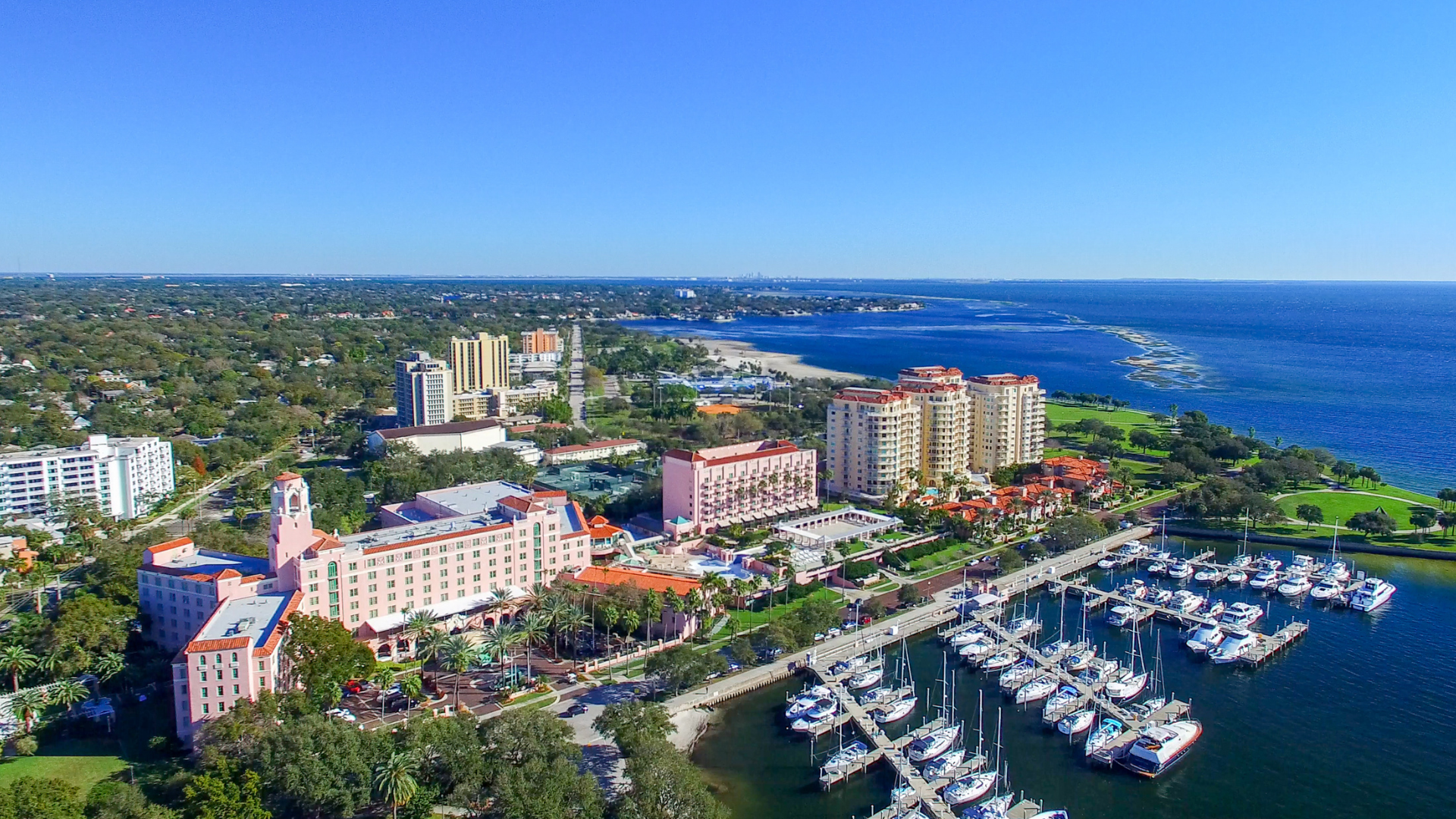
Understanding Coastal Insurance Challenges in Martin & St. Lucie Counties
Several factors contribute to the high cost of coastal insurance in Martin and St. Lucie Counties:
Hurricane Risk: The primary driver of insurance costs is the region’s vulnerability to hurricanes. The frequency and intensity of these storms increase the likelihood of property damage.
Wind Damage: High winds associated with hurricanes and tropical storms can cause significant damage to roofs, windows, and structures, leading to substantial insurance payouts.
Flood Risk: Coastal areas are susceptible to flooding, including storm surge, which can cause extensive damage and is often not covered by standard homeowners insurance.
Saltwater Intrusion: Saltwater can corrode building materials and electrical systems, increasing the risk of damage and insurance claims.
Litigation: Florida has a history of insurance litigation, which can drive up costs for insurers, who then pass those costs on to policyholders.
Reinsurance Costs: Insurance companies often purchase reinsurance to cover their own losses from major events like hurricanes. The cost of this reinsurance can fluctuate and significantly impact consumer premiums.
Tips for Finding Affordable Coastal Insurance
Despite the challenges, homeowners in Martin and St. Lucie Counties can take steps to find more affordable insurance coverage:
Shop Around and Compare Quotes: Don’t settle for the first quote you receive. Obtain quotes from multiple insurance companies, including national carriers, regional insurers, and surplus lines companies. Online comparison tools can help streamline this process.
Consider a Higher Deductible: A higher deductible can significantly reduce your premium. However, ensure you can afford to pay the deductible in the event of a claim.
Bundle Your Insurance: Many insurers offer discounts if you bundle your homeowners insurance with other policies, such as auto or flood insurance.
Strengthen Your Home Against Storms:
Roof Upgrades: Install a hurricane-resistant roof or reinforce your existing roof with hurricane straps.
Window and Door Protection: Install impact-resistant windows and doors or use hurricane shutters.
Wind Mitigation Features: Qualify for discounts by adding features like a reinforced garage door, a braced gable end, and sealed roof decking.
Take Advantage of Discounts:
Wind Mitigation Discounts: Florida law requires insurers to offer discounts for homes with wind mitigation features.
New Home Discount: Newer homes built to current building codes often qualify for lower rates.
Security System Discount: Installing a security system can sometimes lower your premium.
Claims-Free Discount: Maintaining a claims-free record can help you obtain lower rates.
Maintain Your Property: Regular maintenance can prevent damage and reduce the likelihood of insurance claims. This includes trimming trees, cleaning gutters, and inspecting your roof.
Consider Flood Insurance: Standard homeowners insurance does not cover flood damage. If you live in a flood-prone area, purchase a separate flood insurance policy through the National Flood Insurance Program (NFIP) or a private insurer.
Work with an Independent Insurance Agent: Independent agents can represent multiple insurance companies, allowing them to find the best coverage and rates for your specific needs.
Check Your Credit Score: A good credit score can help you qualify for lower insurance rates.
Understand Your Policy: Carefully review your insurance policy to understand what is covered, what is excluded, and what your responsibilities are.
The Role of Citizens Property Insurance Corporation
Citizens Property Insurance Corporation is a state-created insurer that provides coverage to Florida homeowners who cannot find affordable insurance in the private market. While Citizens can be an option, it’s essential to compare their rates with those of private insurers to ensure you’re getting the best possible deal.
Conclusion
Homeowners in Martin and St. Lucie Counties face unique challenges when it comes to coastal insurance costs. However, by understanding the factors that drive these costs and taking proactive steps to mitigate risk and shop for the best rates, residents can find affordable and adequate coverage to protect their valuable investments.