
A well-maintained roof is crucial for protecting your home from the elements and ensuring its structural integrity. Regular inspections and maintenance can help prevent costly repairs and extend the lifespan of your roof. Here’s a guide to common roof maintenance tasks: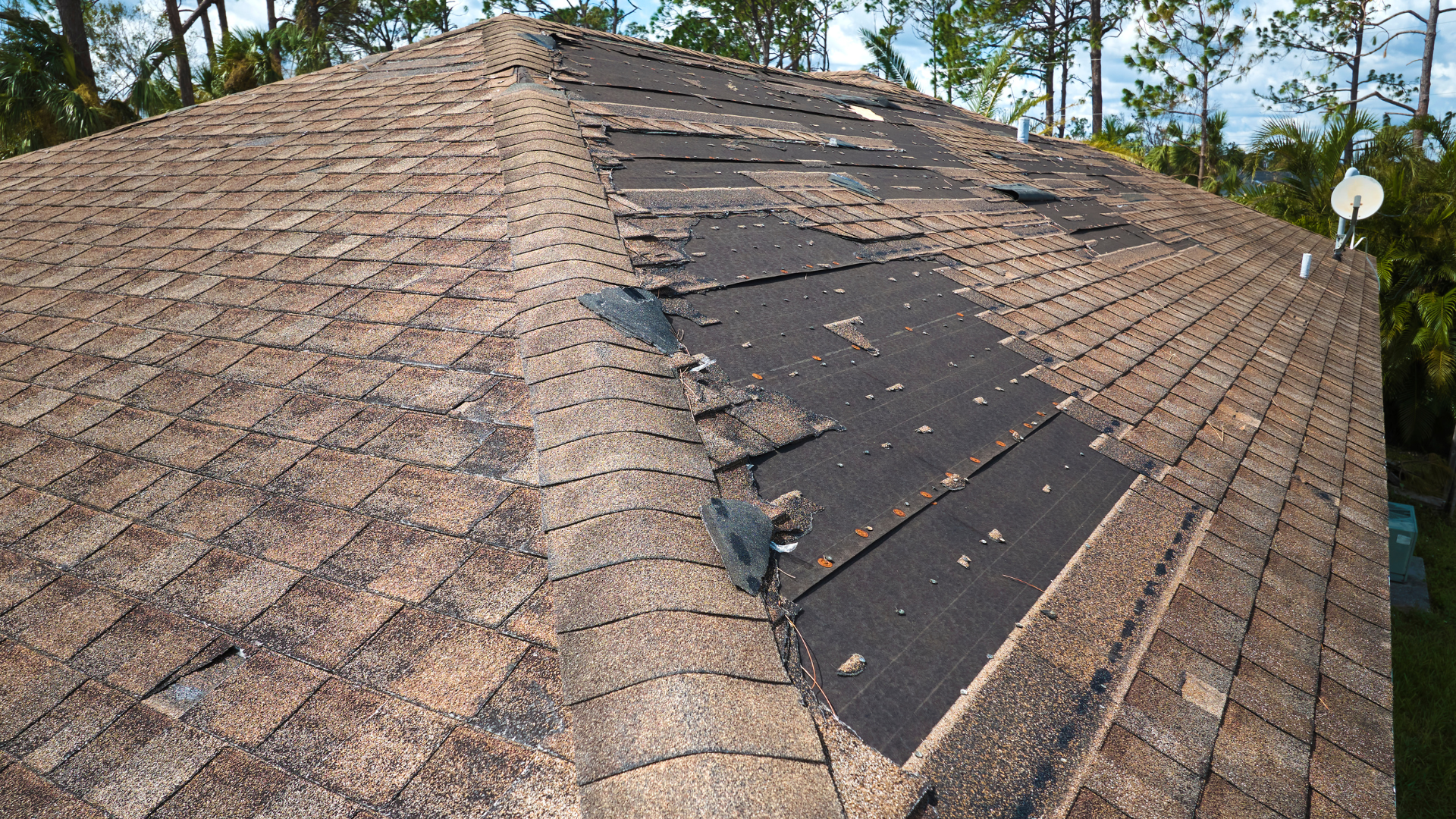
1. Inspect for Leaks:
- Check for water stains: Look for dark spots on ceilings or walls, which can indicate leaks.
- Examine attic insulation: Inspect the attic for signs of moisture or water damage.
- Check for mold or mildew: Look for mold or mildew growth, which can be a sign of underlying moisture problems.
2. Assess Shingle Condition:
- Missing or damaged shingles: Check for shingles that are missing, cracked, or curling.
- Granule loss: Granules help protect shingles from the elements. If you notice excessive granule loss, it may be time for a replacement.
- Flashing issues: Inspect flashing around chimneys, vents, and skylights for any damage or leaks.
3. Clean Gutters and Downspouts:
- Remove debris: Regularly clean gutters and downspouts to prevent clogs and water damage.
- Check for leaks: Ensure gutters and downspouts are functioning properly to direct water away from your home.
4. Trim Trees and Branches:
- Overhanging branches: Trim branches that overhang your roof to prevent damage during storms or heavy winds.
- Debris removal: Remove any debris, such as leaves or pine needles, that accumulates on your roof.
5. Schedule Regular Inspections:
- Professional inspections: Consider hiring a roofing contractor for regular inspections to identify potential problems early.
- DIY inspections: If you’re comfortable inspecting your roof yourself, conduct regular checks, especially after severe weather events.
By following these tips and conducting regular roof inspections, you can help ensure the longevity and functionality of your roof. If you notice any signs of damage, it’s important to address the issue promptly to prevent further deterioration.